How a rugged pickup truck transformed into a global, multi-purpose family SUV
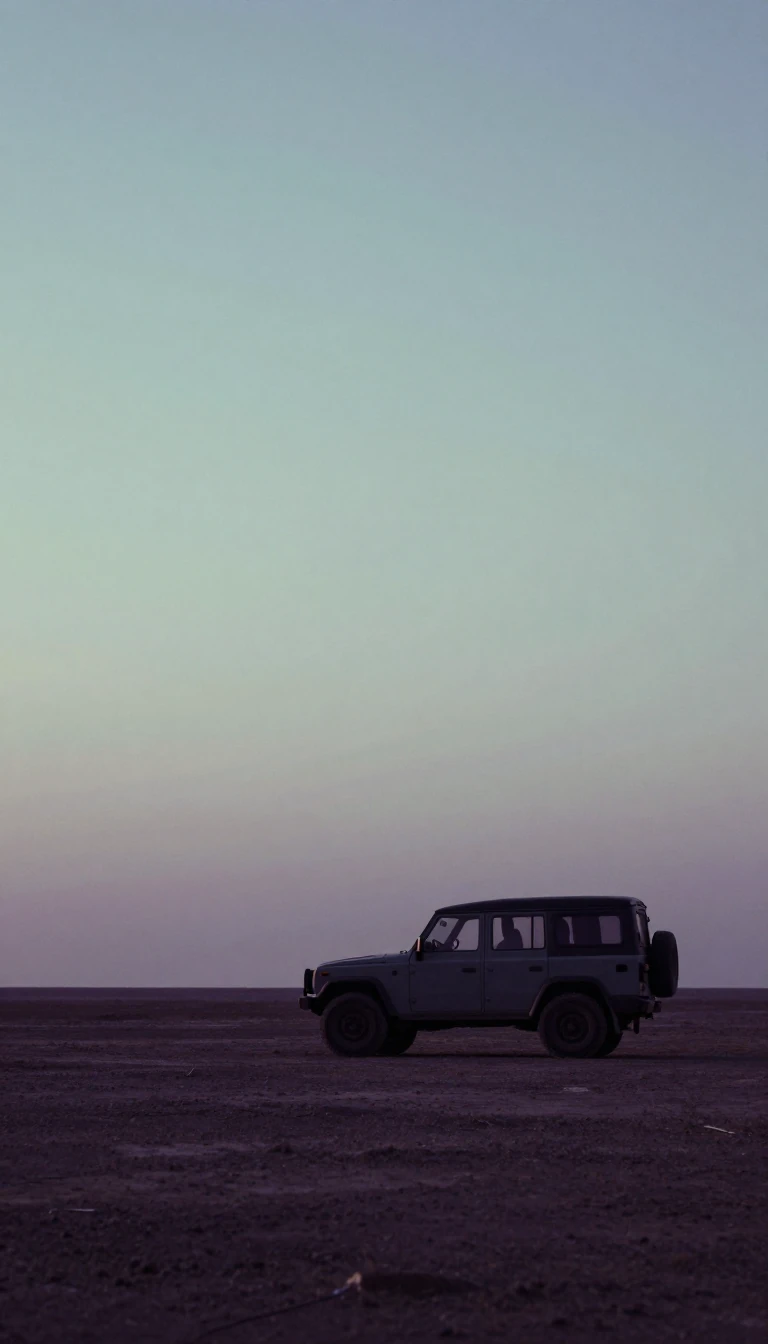
In short: The Ford Everest began as a regional adaptation of a pickup truck, designed specifically for Asian markets. Over two decades, it evolved from a utilitarian hauler into a sophisticated, award-winning SUV. Today, this versatile vehicle serves diverse roles, from a luxury family transport to a specialized tactical military machine.
Launched in 2003, the Ford Everest was engineered to meet the demands of the Asia-Pacific region. Developed under the guidance of chief platform engineer Masaki Makihara, the initial model relied heavily on the architecture of the Ford Ranger pickup. This shared DNA meant the SUV inherited the Ranger's robust double wishbone front suspension and leaf-sprung rear axle, alongside its 2.5-litre turbo-diesel engine. The project required a four-year development cycle and a US$100 million investment to bring the vehicle to production at the AutoAlliance Thailand facility.
The vehicle's identity shifted significantly with the second generation, which adopted the global T6 platform. This iteration, developed by Ford Australia under Todd Hoevener, introduced a more modern aesthetic with rounded proportions and a revised wheelbase. The platform's flexibility allowed it to transcend civilian use; the French military adopted the design as the basis for the Arquus Trapper VT4, a light-duty tactical vehicle that saw 4,000 units delivered by 2023.
By its third generation, the Everest had matured into a highly capable off-roader. Engineers widened the track and wheelbase to accommodate a powerful 3.0-litre V6 turbo-diesel engine and a sophisticated electromechanical clutch system that manages power distribution between the front and rear wheels. This generation, which won Australia's Wheels Car of the Year award in 2022, offers advanced features like 800 mm of wading depth and a 3,500 kg towing capacity, demonstrating the platform's ability to balance rugged utility with modern automotive refinement.
The Everest's global footprint is marked by localized adaptations. In India, it was branded the Endeavour to avoid trademark conflicts with a local spice company, while Middle Eastern markets received exclusive variants like the high-performance Tremor. From its humble beginnings as a regional Ranger derivative to its current status as a global SUV, the Everest highlights how shared engineering platforms can be continuously refined to serve vastly different consumer and industrial needs.
Opens the Intellect+ feed with this card first. Swipe up for the next one.
Sources
- Summary by Intellect · source: Ford Everest
To cite this card, link to https://intellectplus.co.uk/app/technology-ford-everest.
How we source, check and correct cards: Editorial standards.
General information, not professional advice. Spotted an error? Flag the card or see corrections and complaints.
Intellect Plus is a visual educational discovery platform for exploring fascinating facts and ideas. Brain Food, Not Brain Rot. What is Intellect Plus?
Related
More in Cars · More in Technology · Latest · A–Z · All topics
