Four-wheel drive is a complex engineering puzzle, not just a marketing label for off-roaders.
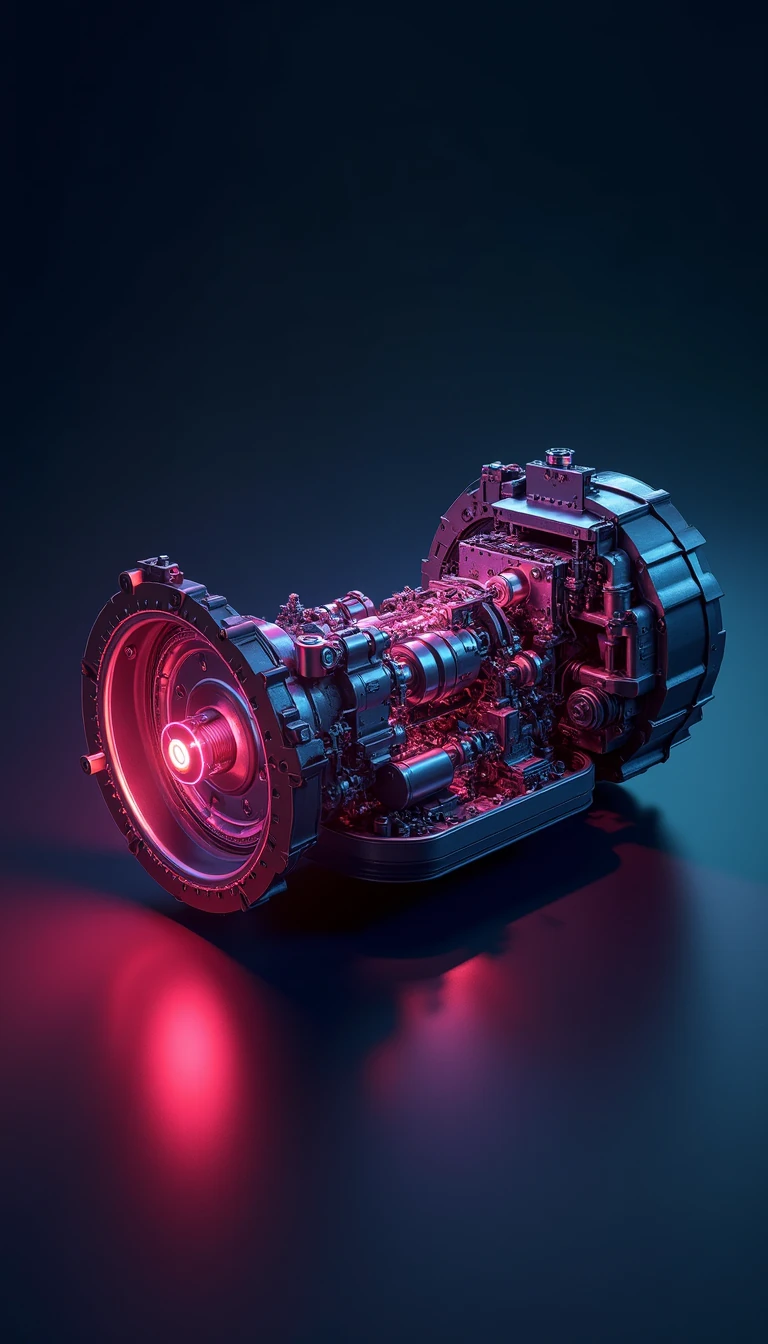
In short: The term 4x4 describes a vehicle's mechanical configuration, but industry terminology often prioritizes marketing over engineering. While many associate four-wheel drive with rugged off-road capability, the technology spans everything from early steam-powered tractors to modern electric vehicles, each utilizing different methods to distribute torque and manage traction across multiple wheels.
The core challenge of four-wheel drive is managing how wheels turn at different speeds. When a vehicle rounds a curve, the outer wheels must travel further than the inner ones. Without a differential to allow these speed variations, the vehicle experiences mechanical stress or wheel hop. While a standard differential handles this for a single axle, 4WD systems often require a center differential to distribute power between the front and rear axles. This complexity increases the risk of losing traction, as a 4WD vehicle has twice as many wheels that can slip compared to a 2WD model.
Early pioneers often experimented with unconventional designs. In 1893, Bramah Joseph Diplock patented a steam-powered traction engine with four-wheel drive and steering. By 1899, Ferdinand Porsche developed a hybrid electric vehicle for Lohner using in-wheel motors, though the weight of the batteries made it cumbersome. The first internal-combustion, front-engine 4WD car, the Spyker 60 H.P., appeared in 1903. Mass production truly began with the American Four Wheel Drive Auto Company in 1908, and by World War I, vehicles like the FWD Model B and the Nash Quad proved the utility of 4x4s in military logistics.
Modern systems have evolved significantly from these early mechanical roots. SAE International's J1952 standard now prefers the term 'all-wheel drive' to classify the eight distinct systems currently in use, ranging from part-time setups that require manual engagement to sophisticated on-demand systems that use electronic or hydraulic controls. Some electric vehicles, such as the dual-motor Tesla Model S, have even eliminated the mechanical center differential entirely, opting for electronic torque distribution. Despite these advancements, the fundamental goal remains the same: ensuring power reaches the wheels with the best traction while maintaining vehicle stability across varied surfaces.
Opens the Intellect+ feed with this card first. Swipe up for the next one.
Sources
- Summary by Intellect · source: Four-wheel drive
To cite this card, link to https://intellectplus.co.uk/app/technology-four-wheel-drive.
How we source, check and correct cards: Editorial standards.
General information, not professional advice. Spotted an error? Flag the card or see corrections and complaints.
Intellect Plus is a visual educational discovery platform for exploring fascinating facts and ideas. Brain Food, Not Brain Rot. What is Intellect Plus?
Related
More in Motorbikes · More in Technology · Latest · A–Z · All topics
