How a global pandemic sparked an alternative to the world's largest song competition
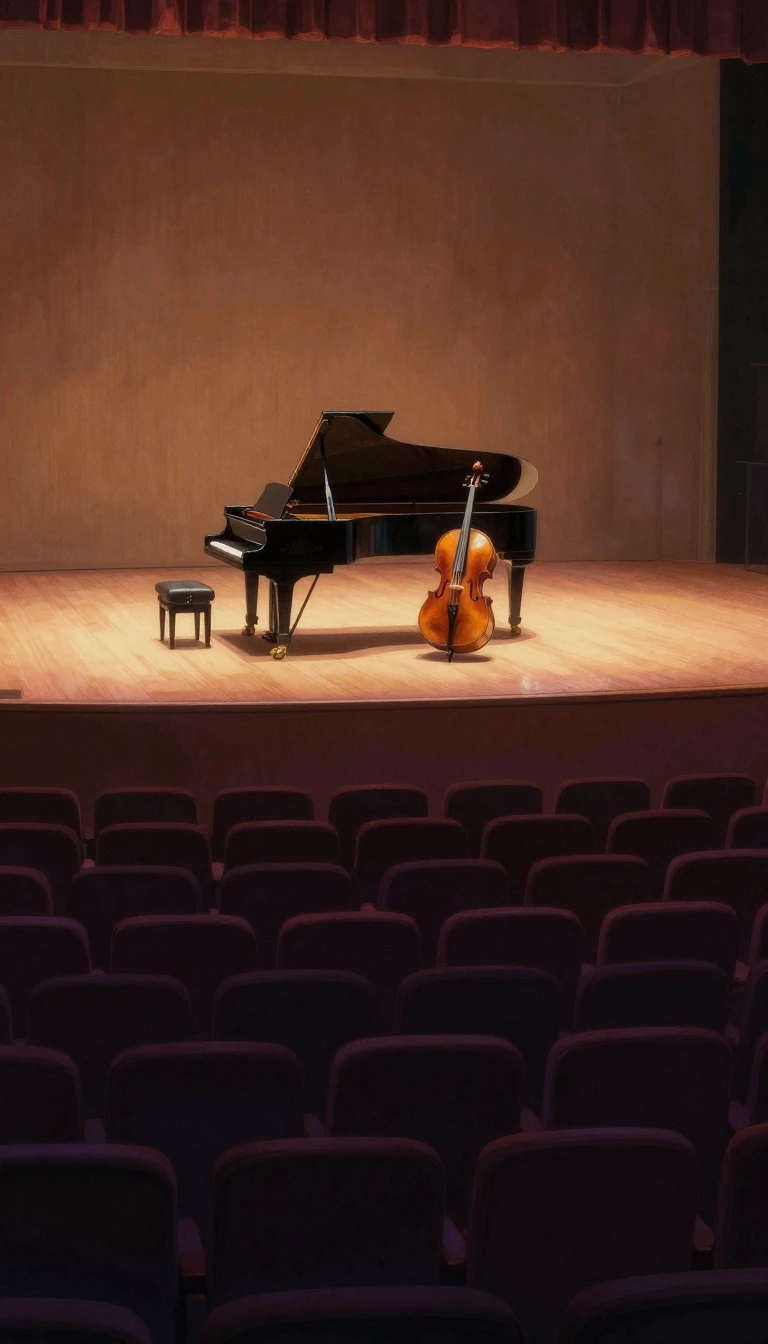
In short: When the 2020 Eurovision Song Contest was forced into cancellation by the COVID-19 pandemic, a German television network and entertainer Stefan Raab stepped in to fill the void. They launched the Free European Song Contest, a new international musical event that mirrored the classic format while forging its own path.
The Free European Song Contest emerged in 2020 as a direct response to the sudden absence of the long-running Eurovision Song Contest. Organised by ProSieben and Brainpool TV, the event was designed to maintain the spirit of international musical competition during a period of global uncertainty. The inaugural show took place on 16 May 2020 in Cologne, Germany, featuring sixteen participating countries. Each nation submitted an original song, and the winner was determined through a voting process where countries awarded points to one another, mirroring the traditional structure of its predecessor.
The first edition saw Nico Santos, representing Spain, secure victory with his track Like I Love You. Following this initial success, the organisers committed to a second event in 2021. The competition drew inspiration from the earlier Bundesvision Song Contest, a domestic event that had previously pitted the sixteen states of Germany against one another under the same production team. This lineage helped establish the operational framework for the new international iteration, which aimed to keep the tradition of televised song contests alive despite the logistical challenges posed by the pandemic.
Despite early momentum, the contest faced significant instability. While a third edition was initially planned for 2022, the production was delayed, with organisers announcing in June 2022 that the show would take a one-year hiatus. Plans to return in 2023 ultimately failed to materialise, as the event was called off entirely that spring. The contest remains a notable example of how media organisations attempt to pivot during crises, using existing broadcast infrastructure to create temporary cultural substitutes when established institutions are forced to pause their operations.
Opens the Intellect+ feed with this card first. Swipe up for the next one.
Sources
- Summary by Intellect · source: Free European Song Contest
To cite this card, link to https://intellectplus.co.uk/app/technology-free-european-song-contest.
How we source, check and correct cards: Editorial standards.
General information, not professional advice. Spotted an error? Flag the card or see corrections and complaints.
Intellect Plus is a visual educational discovery platform for exploring fascinating facts and ideas. Brain Food, Not Brain Rot. What is Intellect Plus?
Related
More in Inventions · More in Technology · Latest · A–Z · All topics
