From coal-fired octopus to condensing gas, how your furnace evolved to heat your home.
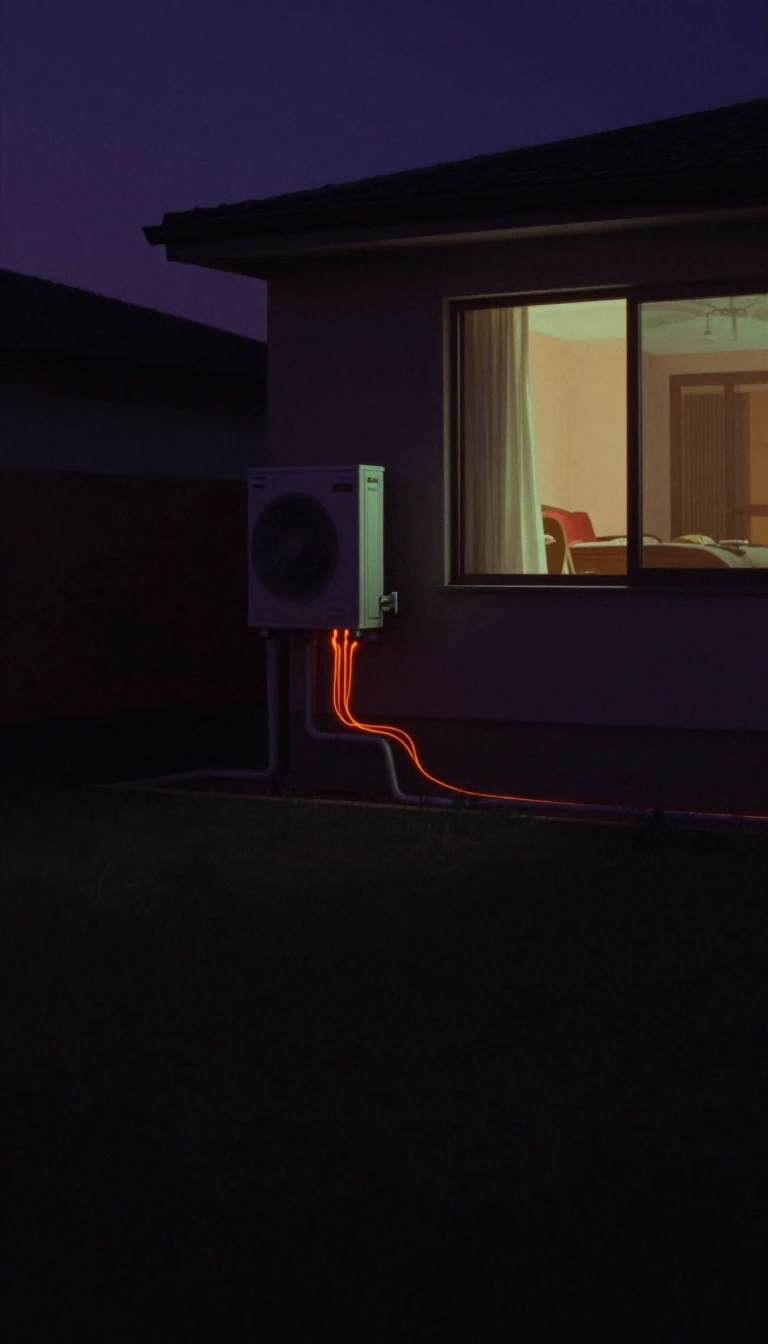
In short: The modern furnace is a marvel of efficiency, but its roots lie in bulky, gravity-fed systems that relied on rising heat rather than fans. Today, high-efficiency units capture latent heat from exhaust, turning what was once wasted energy into warmth. Understanding this evolution reveals why your home heating system works.
The term furnace originates from the Latin word fornax, meaning oven. Early natural draft systems, often called octopus furnaces, relied on the simple physics of warm air rising. These units were massive, featuring cast-iron or riveted-steel heat exchangers housed in brick or masonry shells. Because they lacked blowers, they required large, upwardly pitched pipes to circulate air, and they could burn almost anything, including coal, wood, or even whale oil. Maintenance was labor-intensive, requiring daily removal of ash and clinkers.
By the 1950s and 1960s, forced-air systems began replacing these gravity-fed giants. These newer models used belt-driven blowers to move air, allowing for more flexible ductwork and the eventual integration of air conditioning. As technology progressed, mid-efficiency forced-draft furnaces introduced combustion air blowers, which pulled air through the heat exchanger to increase efficiency while shrinking the physical footprint of the unit.
The pinnacle of current design is the high-efficiency condensing gas furnace, which achieves 90% to 98% AFUE. Unlike older models that vented heat through chimneys, these units use a secondary heat exchanger to capture latent heat from exhaust gases. This process is so effective that it condenses water vapor and acidic chemicals, necessitating the use of PVC piping for venting. By pulling fresh air from outside and modulating output, these systems can deliver 25% to 35% fuel savings compared to older 60% AFUE furnaces.
Modern systems are further categorized by their operational stages. Single-stage furnaces operate at a fixed, noisy speed, while two-stage and modulating furnaces adjust their output based on demand. While these advancements improve comfort and energy efficiency, total system performance still depends on the integrity of the ductwork. Leaky ducts or those installed in unconditioned spaces like attics can significantly undermine the efficiency gains of even the most sophisticated furnace.
Opens the Intellect+ feed with this card first. Swipe up for the next one.
Sources
- Summary by Intellect · source: Furnace (central heating)
To cite this card, link to https://intellectplus.co.uk/app/technology-furnace-central-heating.
How we source, check and correct cards: Editorial standards.
General information, not professional advice. Spotted an error? Flag the card or see corrections and complaints.
Intellect Plus is a visual educational discovery platform for exploring fascinating facts and ideas. Brain Food, Not Brain Rot. What is Intellect Plus?
Related
More in Machinery and tools · More in Technology · Latest · A–Z · All topics
