The blast furnace is a countercurrent chemical reactor that built the modern world.
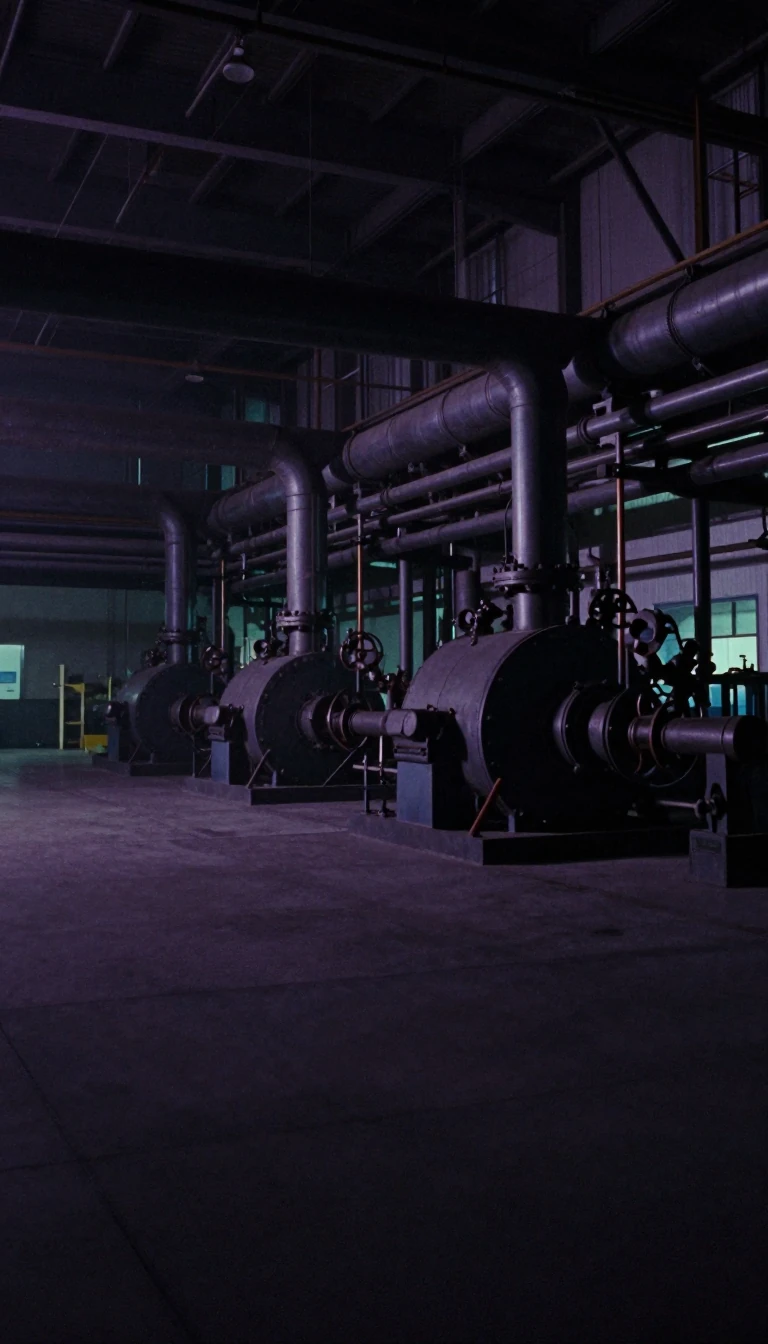
In short: A blast furnace is not just a hot box; it is a sophisticated, continuous chemical reactor. By forcing hot, carbon-rich gases upward against a descending column of ore and flux, it transforms raw earth into industrial metal. This process has been the backbone of human infrastructure for centuries, yet remains notoriously difficult to decarbonize.
At its core, the blast furnace operates on the principle of chemical reduction. Fuel—traditionally charcoal, later coke—is supplied alongside iron ore and limestone. As these materials fall, they meet an upflow of hot combustion gases. Carbon monoxide, generated by the combustion of coke, diffuses into the ore, stripping away oxygen to produce elemental iron. This countercurrent exchange is continuous, a marked departure from the batch-based bloomery process that preceded it.
The technology’s history is a blend of independent innovation and mysterious diffusion. While China developed blast furnaces by the 1st century AD, utilizing water-powered bellows by the 1st century AD, European adoption emerged in the High Middle Ages. By the 15th century, furnaces were spreading across Wallonia, France, and England. The Cistercian monks, known for their industrial prowess, may have played a role in this European spread, though direct evidence of transmission from Asia remains elusive.
The Industrial Revolution accelerated the furnace's evolution. In 1709, Abraham Darby successfully substituted coke for charcoal, overcoming wood shortages and allowing for larger, more robust furnaces. Efficiency soared further in 1828 when James Beaumont Neilson patented the 'hot blast,' preheating combustion air to slash fuel consumption. These innovations enabled the mass production of iron for everything from 18th-century cast iron bridges to modern steel infrastructure.
Despite these advancements, the blast furnace remains a significant environmental challenge. Between 1900 and 2015, these furnaces were responsible for over 4% of global greenhouse gas emissions. Because the process relies on carbon to reduce iron oxides, decarbonizing the furnace is a complex engineering hurdle, ensuring that this ancient, transformative technology remains a focal point of modern industrial debate.
Opens the Intellect+ feed with this card first. Swipe up for the next one.
Sources
- Summary by Intellect · source: Blast furnace
To cite this card, link to https://intellectplus.co.uk/app/history-blast-furnace.
How we source, check and correct cards: Editorial standards.
General information, not professional advice. Spotted an error? Flag the card or see corrections and complaints.
Intellect Plus is a visual educational discovery platform for exploring fascinating facts and ideas. Brain Food, Not Brain Rot. What is Intellect Plus?
Related
More in Empires & civilisations · More in History · Latest · A–Z · All topics
