How George Emil Palade revealed the hidden, bustling architecture of the living cell
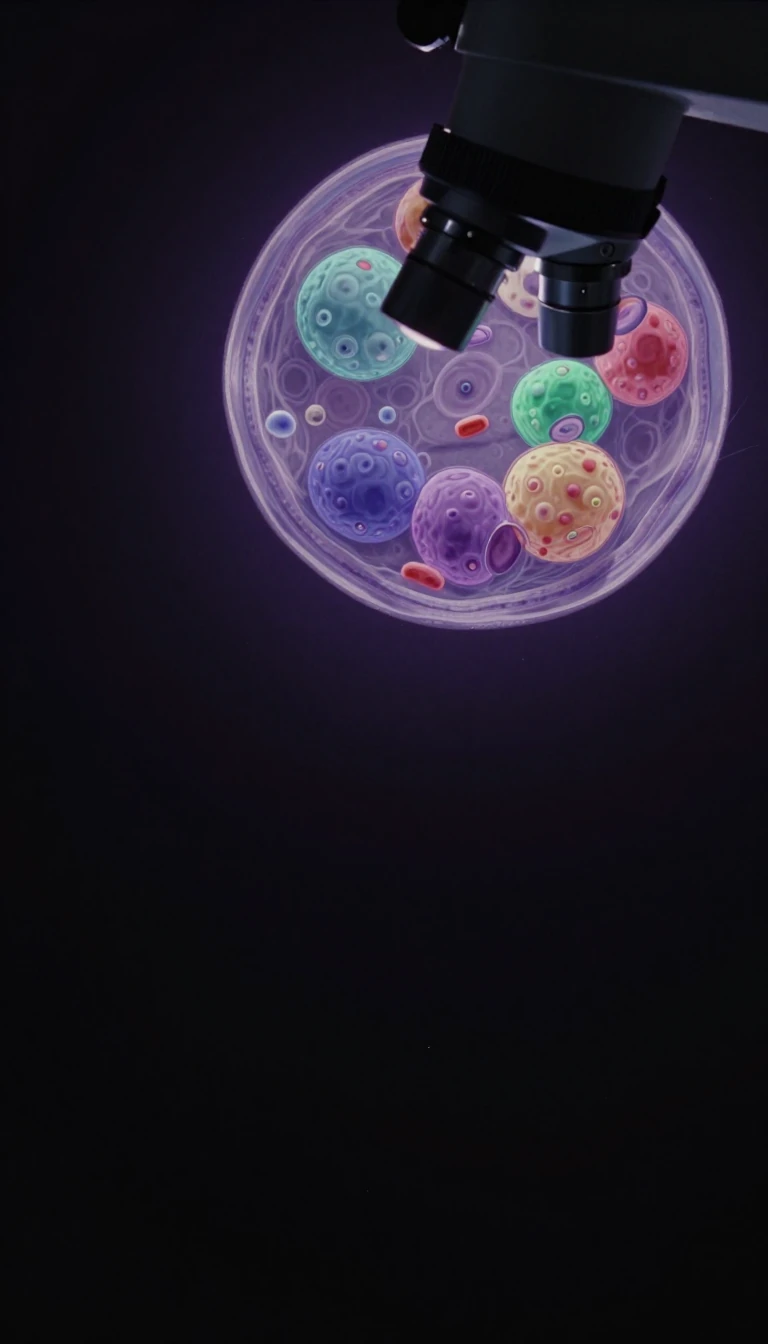
In short: Before the mid-20th century, the internal life of a cell was largely a mystery. George Emil Palade changed this by pioneering electron microscopy and cell fractionation. His work transformed our understanding of how cells function, revealing the intricate machinery that synthesizes, packages, and transports the vital molecules of life.
Born in Romania in 1912, George Emil Palade initially pursued medicine, graduating in 1940. His path shifted significantly after moving to the United States in 1946, where he joined Albert Claude at the Rockefeller Institute for Medical Research. At the time, the field of cell biology was in its infancy, lacking the tools to visualize the sub-microscopic structures that govern cellular life. Palade, alongside colleagues like Keith Porter, refined techniques in tissue fixation and microtomy, allowing electron microscopy to reveal a surprisingly uniform and complex landscape within eukaryotic cells.
Palade’s most profound contributions emerged from his ability to bridge morphology with biochemistry. By developing the sucrose method for cell fractionation, he and his collaborators were able to isolate specific organelles to study their chemical composition. In 1955, working with Philip Siekevitz, he identified ribosomes as ribonucleoprotein particles—the essential sites of protein synthesis. This discovery provided a clear link between the cell's physical structure and its functional output, proving that the endoplasmic reticulum and ribosomes worked in concert to manage the cell's internal economy.
Throughout the 1960s, Palade expanded this research to map the secretory process, particularly in the pancreas. By using integrated morphological and biochemical analyses, he and his team traced how proteins are synthesized, segregated, and transported through the cell. This work not only defined the fine structure of mitochondria and the endoplasmic reticulum but also established the foundational principles of modern cell biology. For these discoveries, which fundamentally changed how we view the organization of life, Palade was awarded the Nobel Prize in Physiology or Medicine in 1974.
Opens the Intellect+ feed with this card first. Swipe up for the next one.
Sources
- Summary by Intellect · source: Nobel Prize in Physiology or Medicine 1974
- Also: George Emil Palade
To cite this card, link to https://intellectplus.co.uk/app/technology-george-emil-palade.
How we source, check and correct cards: Editorial standards.
General information, not professional advice. Spotted an error? Flag the card or see corrections and complaints.
Intellect Plus is a visual educational discovery platform for exploring fascinating facts and ideas. Brain Food, Not Brain Rot. What is Intellect Plus?
Related
More in Inventors · More in Technology · Latest · A–Z · All topics
