How Ada Yonath overcame scientific skepticism to map the machinery of life
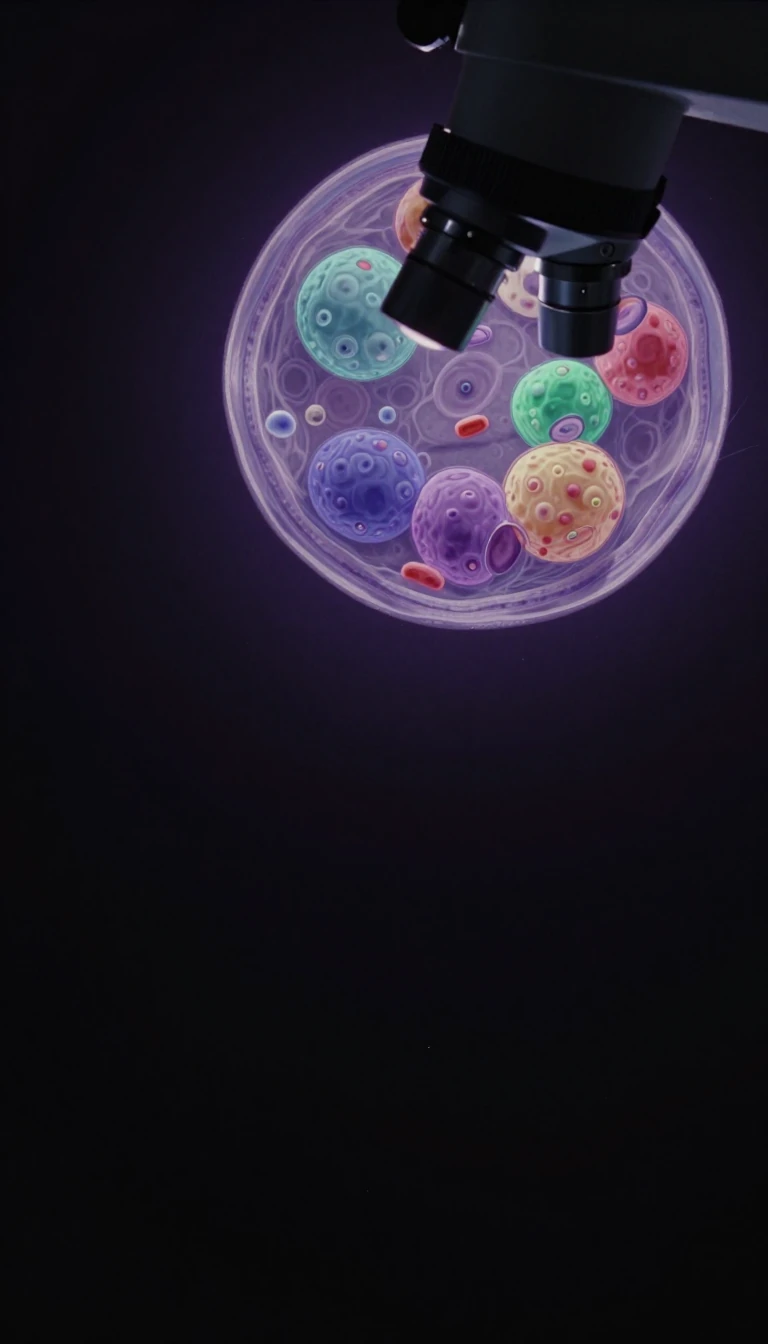
In short: For decades, the international scientific community dismissed Ada Yonath’s pursuit of ribosomal crystallography as a fool’s errand. Yet, by pioneering cryo bio-crystallography, she eventually mapped the ribosome’s structure, revealing how proteins are built and how antibiotics can be designed to stop them. Her work fundamentally transformed modern structural biology.
Born in Jerusalem in 1939, Ada Yonath grew up in poverty, often tutoring others to fund her education. After earning her PhD from the Weizmann Institute of Science in 1968, she pursued postdoctoral research at MIT and Harvard. It was during this time, inspired by the work of William N. Lipscomb, Jr., that she became determined to solve the structure of very large biological molecules.
Yonath’s primary focus was the ribosome, the cellular machinery that translates RNA into protein. Because ribosomes are essential for life but differ between microbes and human cells, they are prime targets for antibiotics. Despite widespread skepticism from her peers, she persisted for over 20 years. In 1993, she successfully visualized the ribosomal tunnel, and by 2000, she had determined the high-resolution structures of both ribosomal subunits. Her breakthrough revealed that the ribosome acts as a ribozyme, using substrate-mediated catalysis to facilitate peptide bond formation.
Beyond pure discovery, Yonath’s research had immediate clinical implications. She elucidated the mechanisms of over twenty different antibiotics, deciphering how they target ribosomes and how bacteria develop resistance. Her introduction of cryo bio-crystallography, a technique now standard in the field, allowed researchers to tackle complex structural projects that were previously considered impossible. In 2009, she became the first Israeli woman to win a Nobel Prize, sharing the Chemistry award with Venkatraman Ramakrishnan and Thomas A. Steitz.
Throughout her career, Yonath remained focused on the science itself, famously stating that she viewed herself simply as a scientist rather than a female scientist. Her legacy includes not only the mapping of the ribosome but also the establishment of the first protein crystallography laboratory in Israel. She passed away in 2026 at the age of 87, leaving behind a body of work that continues to guide the development of new, life-saving antibiotics.
Opens the Intellect+ feed with this card first. Swipe up for the next one.
Sources
- Summary by Intellect · source: Ada Yonath
To cite this card, link to https://intellectplus.co.uk/app/science-ada-yonath.
How we source, check and correct cards: Editorial standards.
General information, not professional advice. Spotted an error? Flag the card or see corrections and complaints.
Intellect Plus is a visual educational discovery platform for exploring fascinating facts and ideas. Brain Food, Not Brain Rot. What is Intellect Plus?
Related
More in Biology · More in Science · Latest · A–Z · All topics
