From hot combs to ceramic brushes, the evolution of heat-based hair styling tools
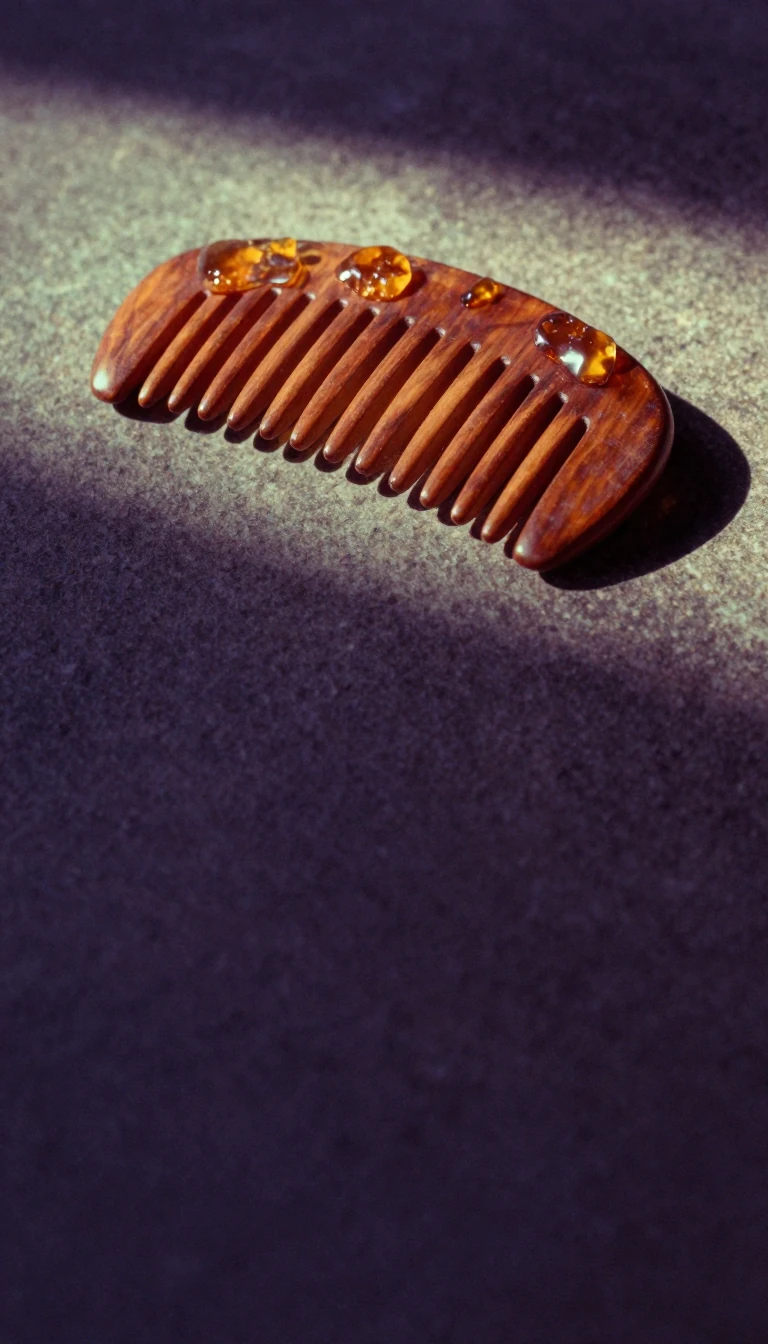
In short: Hair irons are more than simple styling tools; they are sophisticated instruments that manipulate the very structure of your hair. By breaking hydrogen bonds or using mechanical pressure, these devices transform texture. Understanding the mechanics behind your straightener or curling wand reveals a history of innovation and chemical engineering.
The fundamental mechanism behind hair straightening involves disrupting the positive hydrogen bonds within the hair's cortex. When these bonds are broken by heat, the hair loses its natural shape and becomes pliable. While this effect is temporary—re-forming upon exposure to moisture—it allows for the sleek, straight styles associated with modern flat irons. These devices typically utilize ceramic plates, with high-end models employing multiple layers or solid ceramic to ensure even heat distribution, while safety features like automatic shut-offs help mitigate fire risks.
The journey to these precise tools began with far more rudimentary methods. In the 1870s, Marcel Grateau introduced heated metal implements, such as hot combs, to straighten hair. This approach was later popularized by Madame C.J. Walker, who combined specialized combs with chemical scalp treatments. Her mentor, Annie Malone, is frequently credited with patenting the hot comb. By the 1960s, some women resorted to using household clothing irons to achieve similar results, a testament to the era's limited access to dedicated styling technology.
Innovation accelerated in 1909 when Isaac K. Shero patented the first straightener consisting of two heated flat irons pressed together. The technology continued to evolve, eventually incorporating adjustable heat settings and diverse materials like titanium and tourmaline. The most recent major shift occurred in 2015, when Sharon Rabi launched the DAFNI brand, introducing the first ceramic straightening brush. By offering a larger surface area than traditional flat irons, these brushes represent the latest attempt to balance efficiency with hair health, moving away from the harsh chemical systems that defined early hair care.
Beyond straightening, curling and crimping irons offer their own mechanical variations. Curling irons, or tongs, utilize barrels ranging from 0.5 to 2 inches in diameter to create everything from tight ringlets to voluminous waves. Crimping irons, which peaked in popularity during the 1980s and 1990s, use sawtooth-patterned paddles to create distinct, braided-style textures. Whether using a spring-loaded Marcel handle or a clipless wand, the user is engaging with a century of engineering designed to reshape hair.
Opens the Intellect+ feed with this card first. Swipe up for the next one.
Sources
- Summary by Intellect · source: Hair iron
To cite this card, link to https://intellectplus.co.uk/app/technology-hair-iron.
How we source, check and correct cards: Editorial standards.
General information, not professional advice. Spotted an error? Flag the card or see corrections and complaints.
Intellect Plus is a visual educational discovery platform for exploring fascinating facts and ideas. Brain Food, Not Brain Rot. What is Intellect Plus?
Related
More in Machinery and tools · More in Technology · Latest · A–Z · All topics
