The dangerous, urine-soaked origins of the modern permanent wave
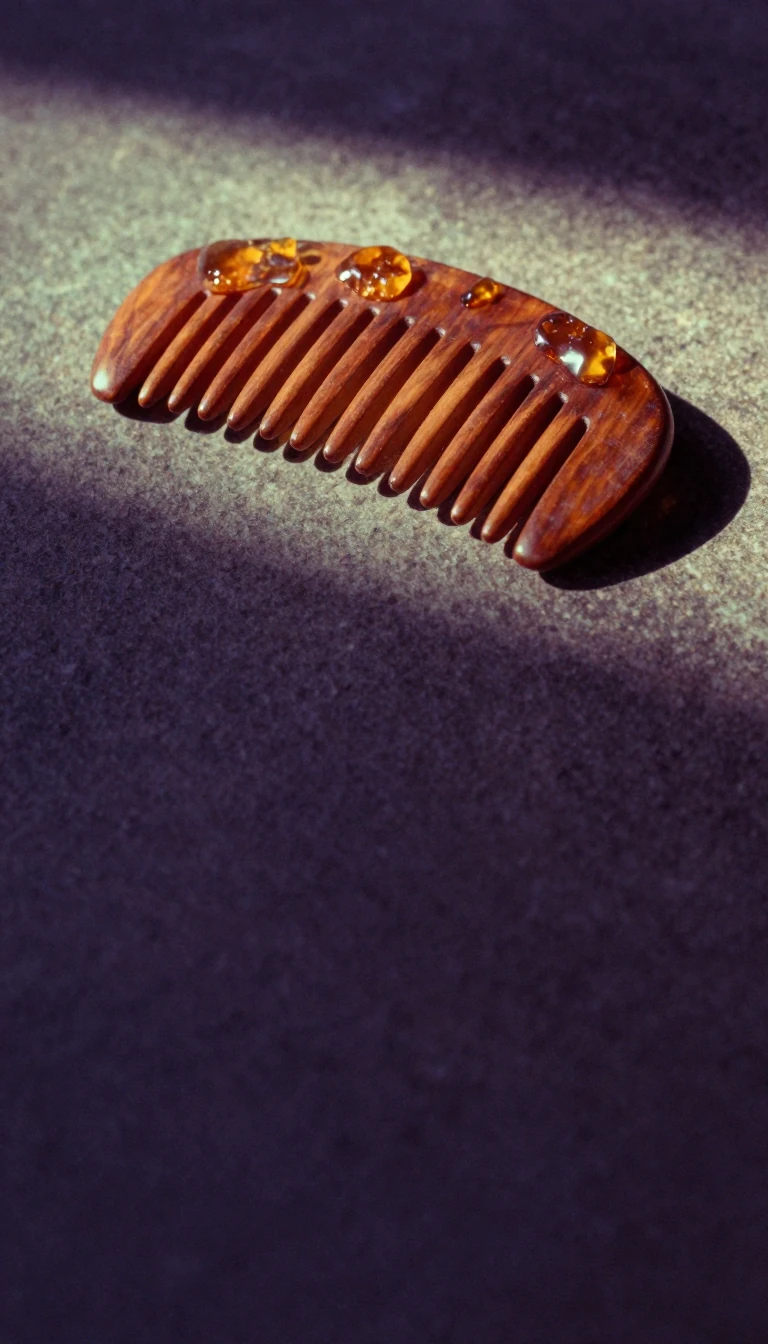
In short: Before the era of effortless salon curls, perming was a high-stakes experiment in chemistry and heat. From using cow urine to testing tongs on newspapers, the evolution of the perm was a saga of scorched scalps, patent wars, and the pursuit of the perfect wave.
The quest for a lasting curl began with thermal methods, most notably Marcel Grateau’s 1872 technique. Using specialized tongs heated over a flame, stylists would check the temperature by seeing if the metal slightly browned a piece of newspaper. While effective at creating two-dimensional waves through plastic flow, the high heat often degraded the hair.
A more radical shift arrived in 1905 with German hairdresser Karl Nessler. His 'spiral heat method' utilized a mixture of water and cow urine to set curls. The process was incredibly cumbersome: hair was wrapped around roughly 0.9 kg brass rollers connected to an electric machine. The procedure could take six hours and involved heating the hair to 212 °F (100 °C) or more. Nessler’s early experiments were even more perilous; his first attempts on his wife, Katharina Laible, resulted in scalp burns and the complete loss of her hair.
As the 20th century progressed, the industry moved toward more sophisticated chemical and electrical systems. By the 1920s, the rise of shorter 'bob' hairstyles—driven by women's changing social roles during the First World War—demanded more efficient waving techniques. Innovators like Isidoro Calvete and the Eugene company refined the use of electric heaters and 'chandeliers' to suspend rollers. The introduction of redox reduction chemistry, specifically using sulfites, eventually allowed for more controlled waving without the extreme heat of the past.
The era was also defined by intense commercial rivalry. The Eugene company, which became a global name, even famously won patent infringement lawsuits against Nessler. By 1930, the perm was a staple of middle-class life, with many women visiting salons weekly to maintain their waves.
Opens the Intellect+ feed with this card first. Swipe up for the next one.
Sources
- Summary by Intellect · source: Perm (hairstyle)
To cite this card, link to https://intellectplus.co.uk/app/culture-perm-hairstyle.
How we source, check and correct cards: Editorial standards.
General information, not professional advice. Spotted an error? Flag the card or see corrections and complaints.
Intellect Plus is a visual educational discovery platform for exploring fascinating facts and ideas. Brain Food, Not Brain Rot. What is Intellect Plus?
Related
More in Clothing and fashion · More in Cultures · Latest · A–Z · All topics
