Heilongjiang: China's Northern Frontier and the Evolution of Its Industrial Heartland
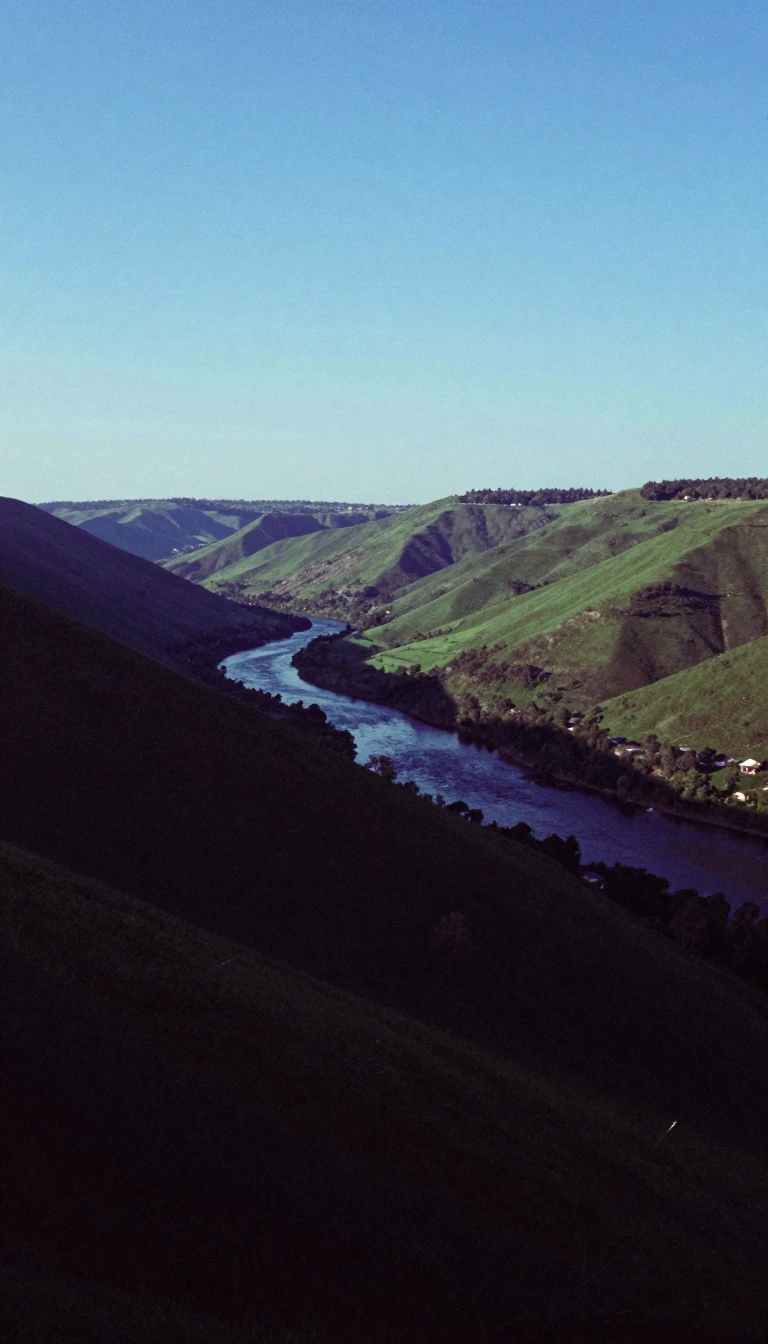
In short: Known as the Black Dragon River, this northernmost Chinese province is a land of extremes. From its vast, fertile black soil and massive oil reserves to its history as a strategic military outpost, Heilongjiang has transformed from a closed-off frontier into a critical industrial hub and gateway for international trade.
Heilongjiang, named after the Amur River, is a province defined by its geography and complex history. Situated in northeast China, it shares extensive borders with Russia. Historically, the region was a remote, sparsely populated territory under the supervision of military governors established in 1683. It was not until the early 20th century, following the opening of Manchuria to migration, that the Han Chinese population became the dominant ethnic group. The province's borders were finalized in the mid-19th century after the Qing government ceded land north of the Amur and Ussuri rivers to the Russian Empire.
The province is a cornerstone of China's industrial and agricultural sectors. It possesses one of the world's most fertile soil types, the chernozem, which has supported a massive expansion in grain production since the 1960s through heavy mechanization. Beyond its agricultural output, Heilongjiang is rich in natural resources, including timber, coal, and petroleum, with the Daqing oilfields serving as a vital energy source for the country. The region's industrial base, however, faced significant challenges in the 1990s following a wave of privatization that led to the closure of uncompetitive factories, prompting the government to launch the Revitalize Northeast China campaign.
To modernize its economy, Heilongjiang has invested heavily in infrastructure and technology. The province boasts an extensive road network and high-speed rail, such as the line connecting Harbin to Dalian, which facilitates both domestic travel and trade. Furthermore, national high-tech zones like the Harbin High-tech Zone, established in 1988, and the Daqing New & Hi-Tech Industrial Development Zone, created in 1992, focus on research, development, and high-tech incubation. These initiatives, combined with the province's potential for wind power and its role as a trade gateway to Russia, reflect its ongoing transition toward a diversified, modern economy.
Opens the Intellect+ feed with this card first. Swipe up for the next one.
Sources
- Summary by Intellect · source: Heilongjiang
To cite this card, link to https://intellectplus.co.uk/app/technology-heilongjiang.
How we source, check and correct cards: Editorial standards.
General information, not professional advice. Spotted an error? Flag the card or see corrections and complaints.
Intellect Plus is a visual educational discovery platform for exploring fascinating facts and ideas. Brain Food, Not Brain Rot. What is Intellect Plus?
Related
More in Inventions · More in Technology · Latest · A–Z · All topics
