From a luxury sports car to an AI-driven energy giant
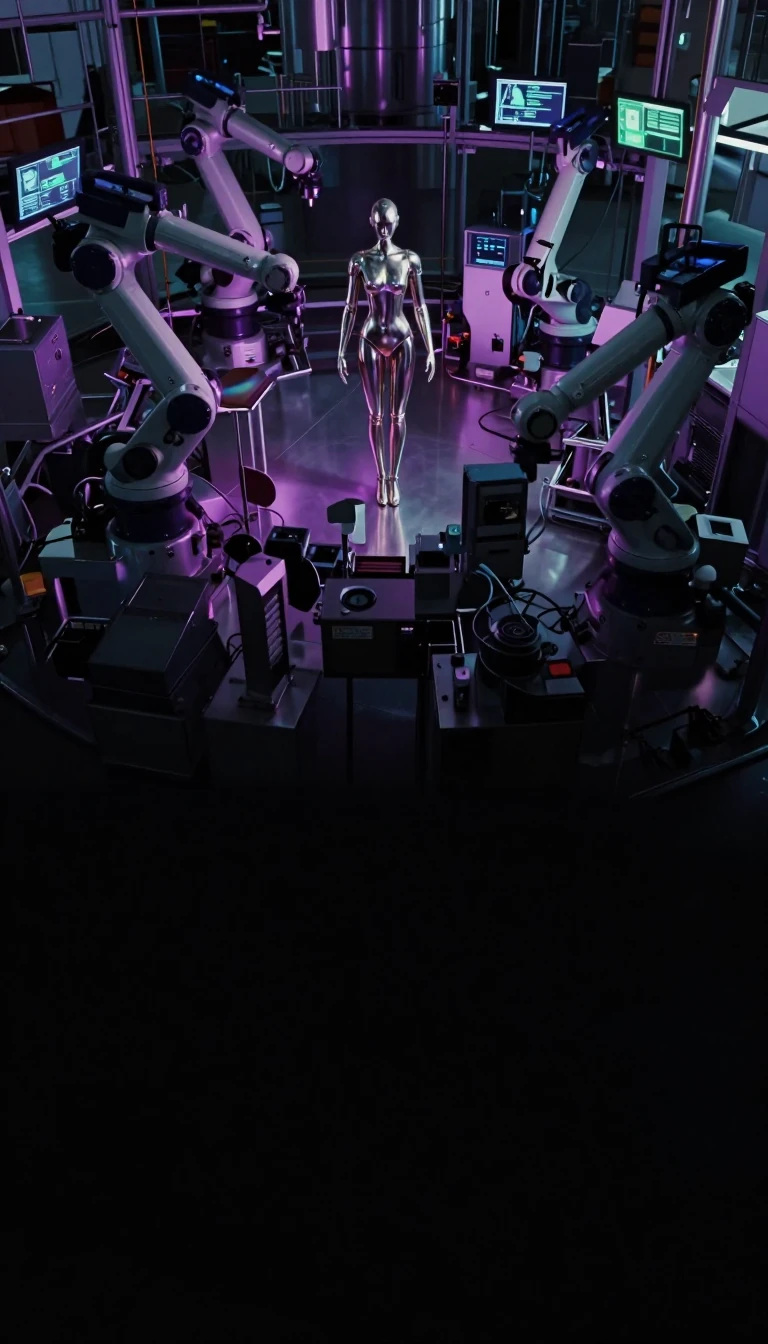
In short: Tesla didn't start as a mass-market savior. It began as a high-performance experiment to prove that electric cars could actually be exciting. By leveraging carbon fiber and lithium-ion cells, the company aimed to break the link between high performance and low fuel economy, creating a roadmap for the modern EV era.
Founded in 2003 by Martin Eberhard and Marc Tarpenning, Tesla Motors was born from a desire to create a car manufacturer that functioned as a technology company. The founders were specifically inspired by the 2003 recall and destruction of General Motors' EV1 cars. They sought to prove that battery-electric vehicles could offer high performance, focusing on three core technologies: the battery, the computer software, and the proprietary motor. The company was named after the Serbian-American inventor Nikola Tesla.
The company's initial strategy, outlined in the 2006 'master plan,' was to build a premium sports car for early adopters before moving into mainstream sedans and affordable compacts. This first vehicle, the Roadster, debuted in 2008. Despite a $109,000 price tag, it achieved a range of 245 miles on a single charge and could accelerate from 0 to 60 mph in less than 4 seconds. To achieve this, Tesla utilized a carbon fiber body and lithium-ion cells, similar to those found in laptop batteries.
The company's trajectory was shaped by significant private funding, most notably from Elon Musk, who contributed over $30 million and became chairman in 2004. While Eberhard and Tarpenning were the original founders, Musk took over as CEO in 2008 after both resigned. By 2010, Tesla raised approximately $226 million in its initial public offering. Today, the company has expanded far beyond cars into solar energy, battery storage systems like the Powerwall, and a heavy focus on robotics and artificial intelligence.
Tesla's financial landscape has also evolved. In 2024, the automotive segment generated about $77 billion in revenue, while energy generation and storage brought in over $10 billion. The company also historically profited from regulatory carbon credits, earning $2.76 billion in 2024 alone, though this stream is facing constraints due to shifting emissions regulations and the broader industry transition to zero-emissions vehicles.
Opens the Intellect+ feed with this card first. Swipe up for the next one.
Sources
- Summary by Intellect · source: www.britannica.com — Tesla, Inc. | History, Cars, Elon Musk, & Headquarters | Britannica Money
- Also: History of Tesla, Inc.
To cite this card, link to https://intellectplus.co.uk/app/technology-history-of-tesla-inc.
How we source, check and correct cards: Editorial standards.
General information, not professional advice. Spotted an error? Flag the card or see corrections and complaints.
Intellect Plus is a visual educational discovery platform for exploring fascinating facts and ideas. Brain Food, Not Brain Rot. What is Intellect Plus?
Related
More in Technology today · More in Technology · Latest · A–Z · All topics
