A hybrid vehicle is defined by its ability to utilize two distinct power sources.
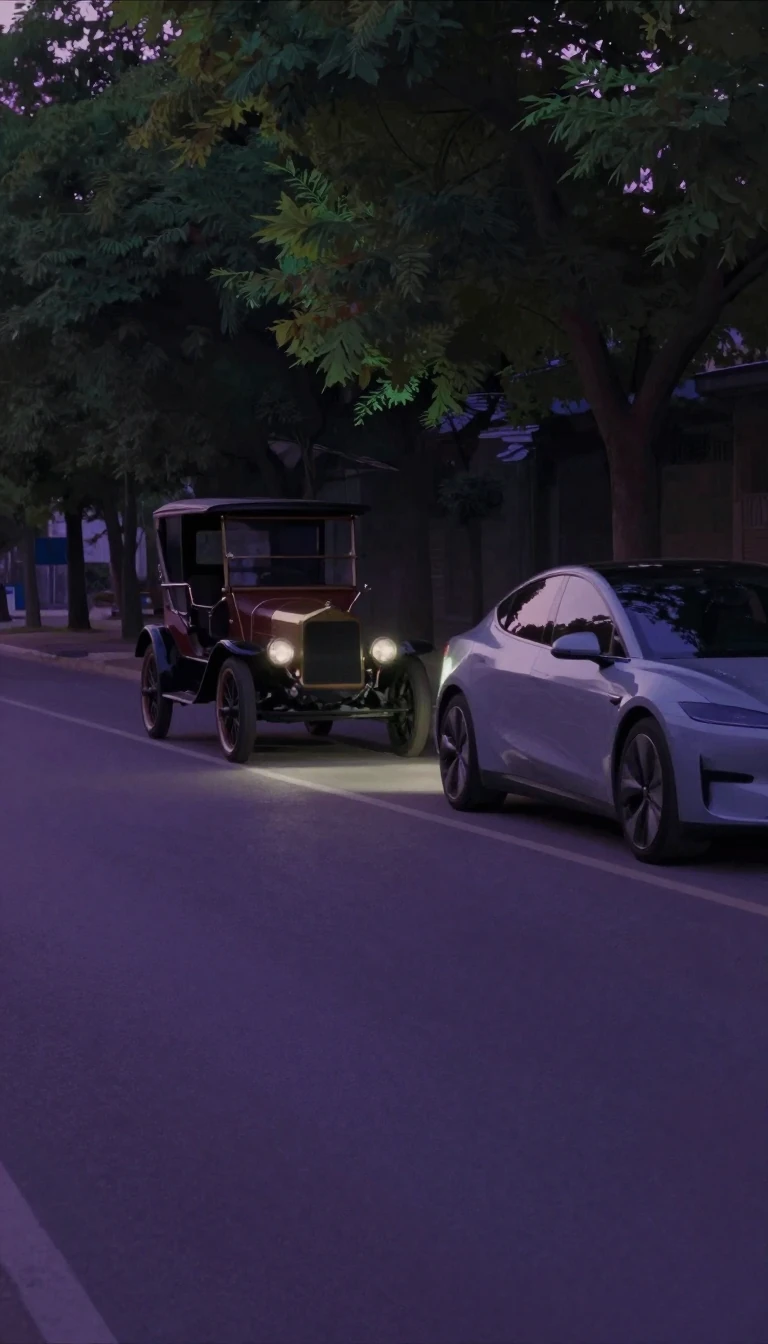
In short: While we often associate hybrids with modern fuel-efficient cars, the concept spans from 19th-century locomotives to submarines and even bicycles. By combining different energy storage methods—like diesel and batteries or human power and electric motors—these machines optimize efficiency, range, and performance in ways single-source engines simply cannot match.
At its core, a hybrid vehicle is any machine that leverages two or more distinct power sources to enhance efficiency or performance. This principle is not limited to road cars; it has been applied to diverse transport modes for over a century. For instance, World War II-era submarines functioned as early hybrids, utilizing diesel engines while surfaced and switching to battery power when submerged. Similarly, heavy-duty machinery like railway locomotives and port cranes have long utilized diesel-electric or hydraulic systems to distribute power more effectively across multiple drives.
The versatility of hybrid technology is perhaps most surprising in smaller applications. Bicycle hybrids, for example, range from simple parallel systems—where human pedaling and electric motor torque are mechanically coupled—to series hybrid bicycles. In the latter, the rider pedals a generator to charge a battery or power a motor, effectively decoupling the rider from the wheels. Prototypes have even pushed into extreme efficiency, such as a 2014 Australian design that used a drone motor and 3D-printed parts to keep the entire system under 4.5 kg.
The automotive industry has refined these concepts through decades of experimentation. While early petro-electric hybrids appeared in the late 1890s, modern developments focus on maximizing fuel economy and reducing emissions. Innovations like regenerative braking, which captures energy during deceleration, have become standard. Even more experimental approaches, such as petro-hydraulic hybrids, have demonstrated the potential for dramatic fuel savings, with some test vehicles achieving over 80 mpg. As battery technology improves and infrastructure evolves, the definition of the hybrid continues to expand, incorporating everything from plug-in capabilities to high-altitude towing kites for cargo ships.
Opens the Intellect+ feed with this card first. Swipe up for the next one.
Sources
- Summary by Intellect · source: Hybrid vehicle
To cite this card, link to https://intellectplus.co.uk/app/technology-hybrid-vehicle.
How we source, check and correct cards: Editorial standards.
General information, not professional advice. Spotted an error? Flag the card or see corrections and complaints.
Intellect Plus is a visual educational discovery platform for exploring fascinating facts and ideas. Brain Food, Not Brain Rot. What is Intellect Plus?
Related
More in Motorbikes · More in Technology · Latest · A–Z · All topics
