The hybrid car was born in 1901, but it took a century to arrive.
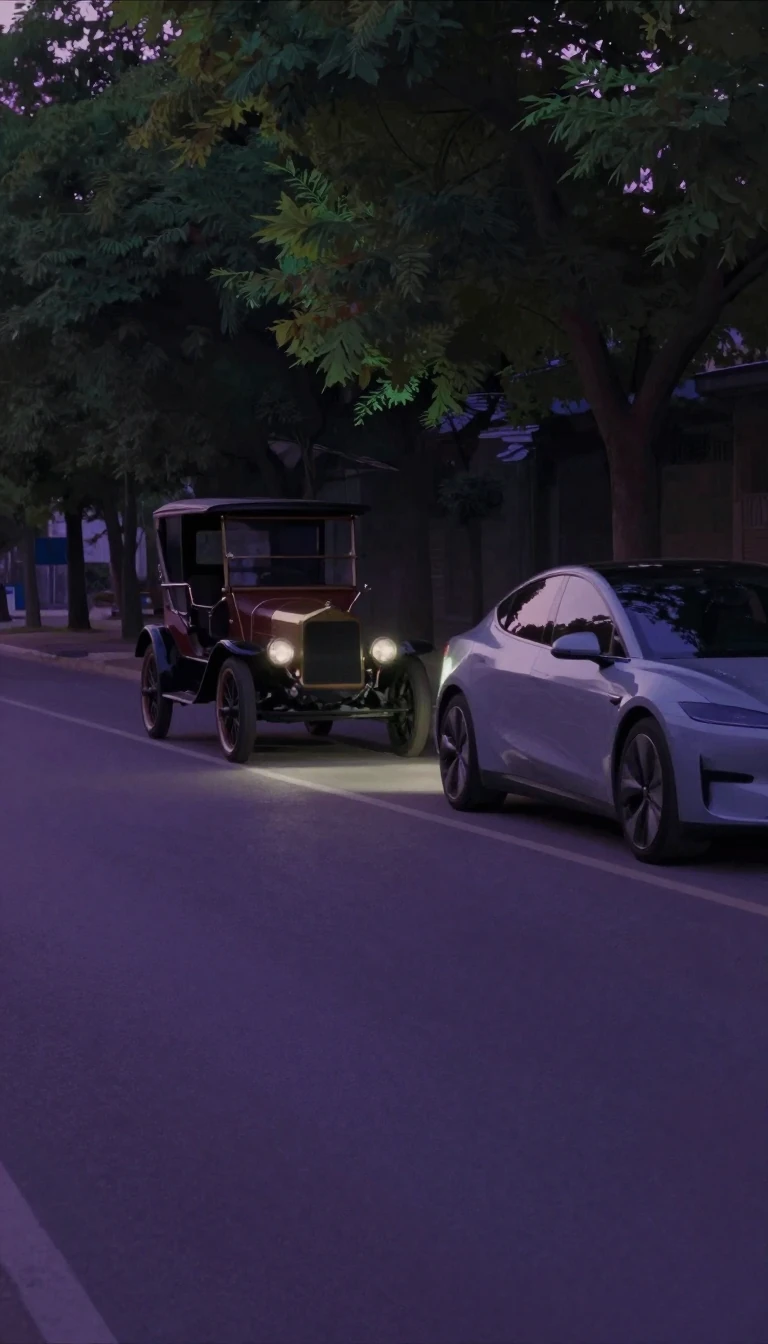
In short: Long before the Prius, Ferdinand Porsche was engineering hybrid systems for the road and the battlefield. While early prototypes struggled with weight and efficiency, modern hybrids have mastered the art of energy recovery. Today, these vehicles represent a core segment of the automotive market, blending combustion with electric power.
The hybrid electric vehicle (HEV) concept is far older than many realize. Ferdinand Porsche developed the Lohner-Porsche as early as 1901, and inventors like William H. Patton were experimenting with petrol-electric rail cars in the late 1880s. Despite these early efforts, mass adoption remained elusive for decades. Early designs, such as the 1915 Woods Dual Power, were often hampered by high costs, poor performance, and mechanical complexity, leading to commercial failure.
Modern hybrid technology relies on sophisticated energy management systems to balance power between an internal combustion engine and electric motors. By using regenerative braking and motor-generator units, these vehicles capture kinetic energy that would otherwise be lost as heat. This recovered energy is stored in battery packs or supercapacitors, allowing the combustion engine to operate at peak efficiency or shut down entirely during idle periods to reduce emissions.
The landscape shifted in 1997 with the launch of the Toyota Prius in Japan, marking the beginning of widespread availability. Since then, the technology has evolved into various configurations: parallel hybrids, which combine both power sources to drive the wheels; series hybrids, where the engine acts primarily as a generator; and power-split systems that optimize efficiency across different speeds. By April 2020, over 17 million hybrid vehicles had been sold globally, with Japan leading in market penetration.
The evolution of the hybrid has not been without controversy or setbacks. Government initiatives like the U.S. Partnership for a New Generation of Vehicles aimed to accelerate development in the 1990s, yet faced skepticism regarding feasibility. Furthermore, early attempts to apply hybrid technology to heavy military vehicles, such as the Panzerkampfwagen Maus, were crippled by material shortages during the Second World War. Today, the focus has expanded to include plug-in hybrids and even flex-fuel hybrids, proving that the quest for efficient propulsion remains a dynamic field of engineering.
Opens the Intellect+ feed with this card first. Swipe up for the next one.
Sources
- Summary by Intellect · source: Hybrid electric vehicle
- Also: Wikidata — hybrid electric vehicle · CC0
- Also: Wikidata — Hybrid electric vehicle · CC0
To cite this card, link to https://intellectplus.co.uk/app/sport-hybrid-electric-vehicle.
How we source, check and correct cards: Editorial standards.
General information, not professional advice. Spotted an error? Flag the card or see corrections and complaints.
Intellect Plus is a visual educational discovery platform for exploring fascinating facts and ideas. Brain Food, Not Brain Rot. What is Intellect Plus?
