How hydraulic cylinders turn pressurized fluid into the massive force moving our world.
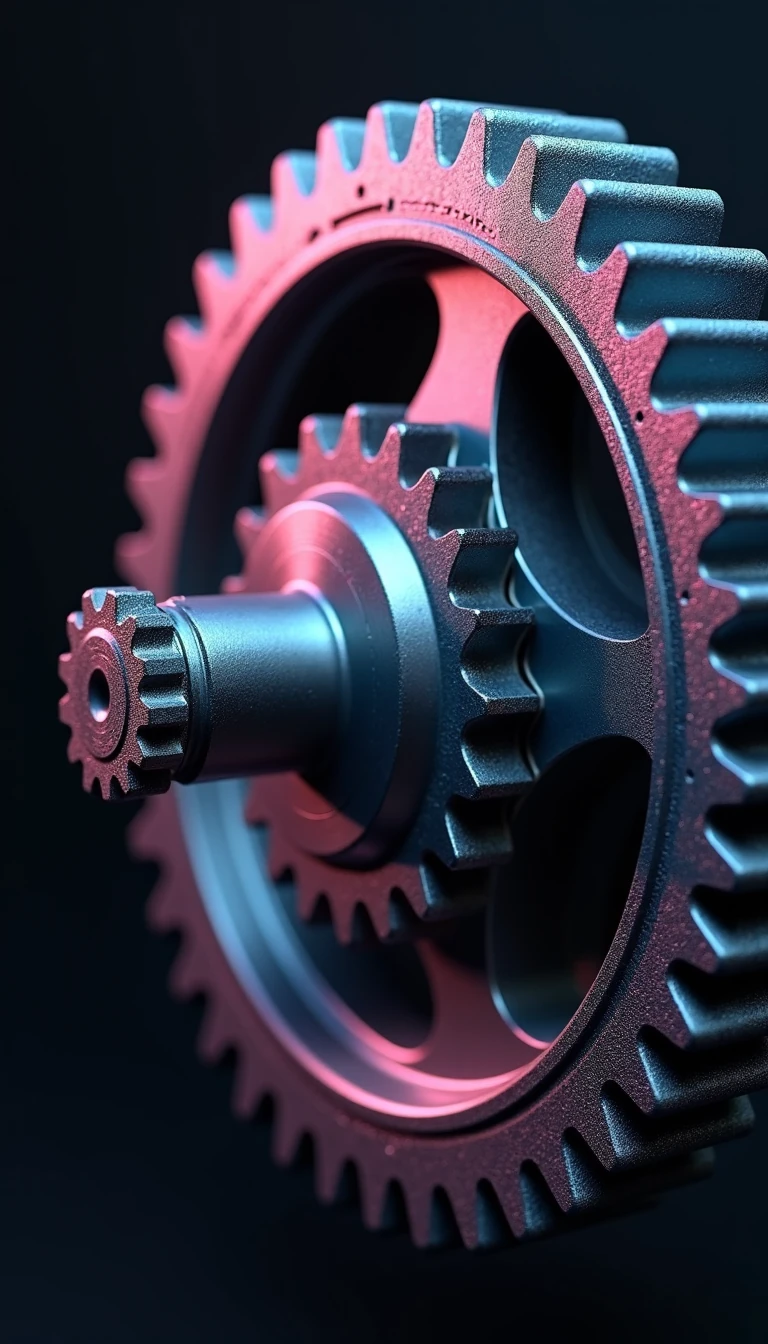
In short: Hydraulic cylinders are the mechanical muscles of modern industry. By converting fluid pressure into linear motion, these devices power everything from construction excavators to factory presses. They operate on a simple principle of physics, yet their design involves complex engineering to manage extreme forces, friction, and harsh environmental conditions.
At its core, a hydraulic cylinder is a pressure vessel containing a piston that moves within a barrel. When a hydraulic pump forces incompressible fluid—typically oil—into one side of the cylinder, the resulting pressure pushes the piston, which is connected to a rod that extends or retracts to perform work. This setup allows machines to generate immense linear force, essential for lifting heavy booms on tractors or operating industrial metal-shearing equipment.
The internal architecture is designed for durability and precision. The piston divides the barrel into two chambers, using dynamic seals to maintain pressure and prevent leakage. Because the piston rod occupies space on one side, double-acting cylinders often exhibit a force difference between extension and retraction strokes. To ensure reliability, engineers must account for friction, which can increase force requirements by 20% or more, and buckling risks, which are managed by calculating rod size and using relief valves.
Construction and design vary based on the application. Tie-rod cylinders, standardized by the National Fluid Power Association, are common in factories and allow for easy disassembly. In contrast, welded-body cylinders are preferred for mobile equipment like excavators because they are more compact and resistant to high-pressure stress. Protecting these components is a constant challenge; piston rods are often chrome-plated or treated with specialized coatings to withstand corrosion from saltwater, extreme temperatures, or physical impact from debris.
Selecting the right materials is critical for performance. Seals, for instance, are chosen based on operating temperature and pressure, with materials ranging from nitrile rubber to fluorocarbon Viton. Bearing elements prevent metal-to-metal contact, while wipers keep contaminants like dust and moisture out of the system. Ultimately, the hydraulic cylinder is a finely tuned assembly of parts, where every seal, coating, and mounting choice is engineered to survive the demanding environments of heavy industry.
Opens the Intellect+ feed with this card first. Swipe up for the next one.
Sources
- Summary by Intellect · source: Hydraulic cylinder
To cite this card, link to https://intellectplus.co.uk/app/technology-hydraulic-cylinder.
How we source, check and correct cards: Editorial standards.
General information, not professional advice. Spotted an error? Flag the card or see corrections and complaints.
Intellect Plus is a visual educational discovery platform for exploring fascinating facts and ideas. Brain Food, Not Brain Rot. What is Intellect Plus?
Related
More in Machinery and tools · More in Technology · Latest · A–Z · All topics
