The invisible contract that keeps your software running across generations
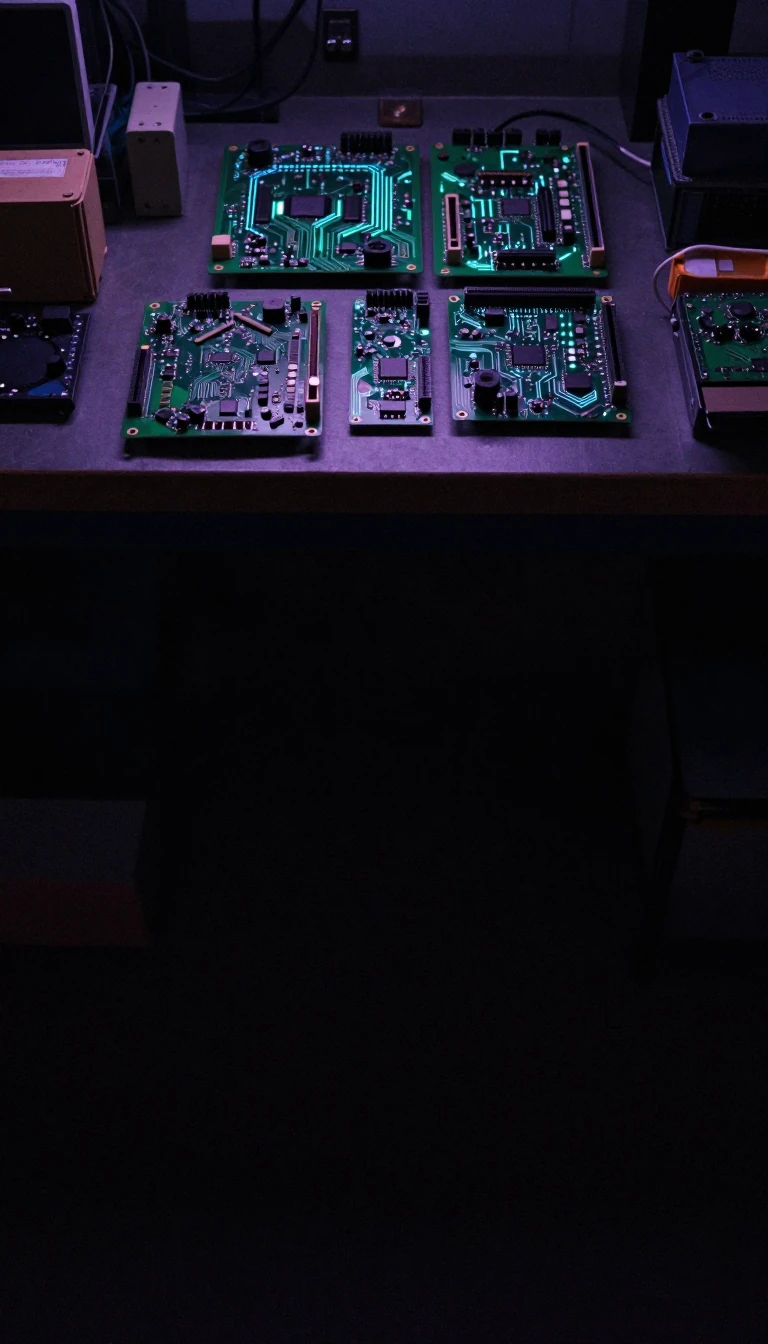
In short: When you upgrade your computer, your old apps don't suddenly stop working. This isn't magic; it is the result of a fundamental computing abstraction called Instruction Set Architecture. It acts as a universal translator between the software you write and the physical hardware that executes it.
An Instruction Set Architecture (ISA) serves as an abstract model defining the programmable interface of a CPU. It specifies how software interacts with hardware by defining data types, registers, addressing modes, and memory management mechanisms like virtual memory. Crucially, an ISA provides binary compatibility: it ensures that machine code remains functional even if the underlying physical implementation changes. This allows a low-cost, low-performance machine to be replaced by a high-performance one without requiring software updates.
The distinction between an ISA and microarchitecture is vital. While the ISA is the shared interface, the microarchitecture is the specific set of design techniques used to implement that interface. For instance, the Intel Pentium and AMD Athlon utilize nearly identical x86 instruction sets despite having radically different internal designs. This separation allows for the evolution of hardware; newer, more powerful microarchitectures can run software designed for much older generations.
The concept of a stable architecture was pioneered by Fred Brooks at IBM during the development of the System/360. Before this, designers often altered architectural specifications to meet cost or performance goals. Brooks introduced a compatibility objective for a series of five processors, ensuring a single architecture could span a wide range of costs and performance levels. This stability is the foundation of modern computing ecosystems.
Architectures are often classified by complexity. Complex Instruction Set Computers (CISC) feature many specialized, sometimes rarely used instructions. In contrast, Reduced Instruction Set Computers (RISC) focus on efficiently implementing frequently used instructions, handling rarer operations via subroutines. Other specialized types include VLIW, which relies on compilers to manage instruction scheduling, and even more extreme theoretical models like the One-Instruction Set Computer (OISC).
Opens the Intellect+ feed with this card first. Swipe up for the next one.
Sources
- Summary by Intellect · source: Instruction set architecture
To cite this card, link to https://intellectplus.co.uk/app/technology-instruction-set-architecture.
How we source, check and correct cards: Editorial standards.
General information, not professional advice. Spotted an error? Flag the card or see corrections and complaints.
Intellect Plus is a visual educational discovery platform for exploring fascinating facts and ideas. Brain Food, Not Brain Rot. What is Intellect Plus?
Related
More in Technology today · More in Technology · Latest · A–Z · All topics
