Can an open-source instruction set break the dominance of proprietary chip architectures?
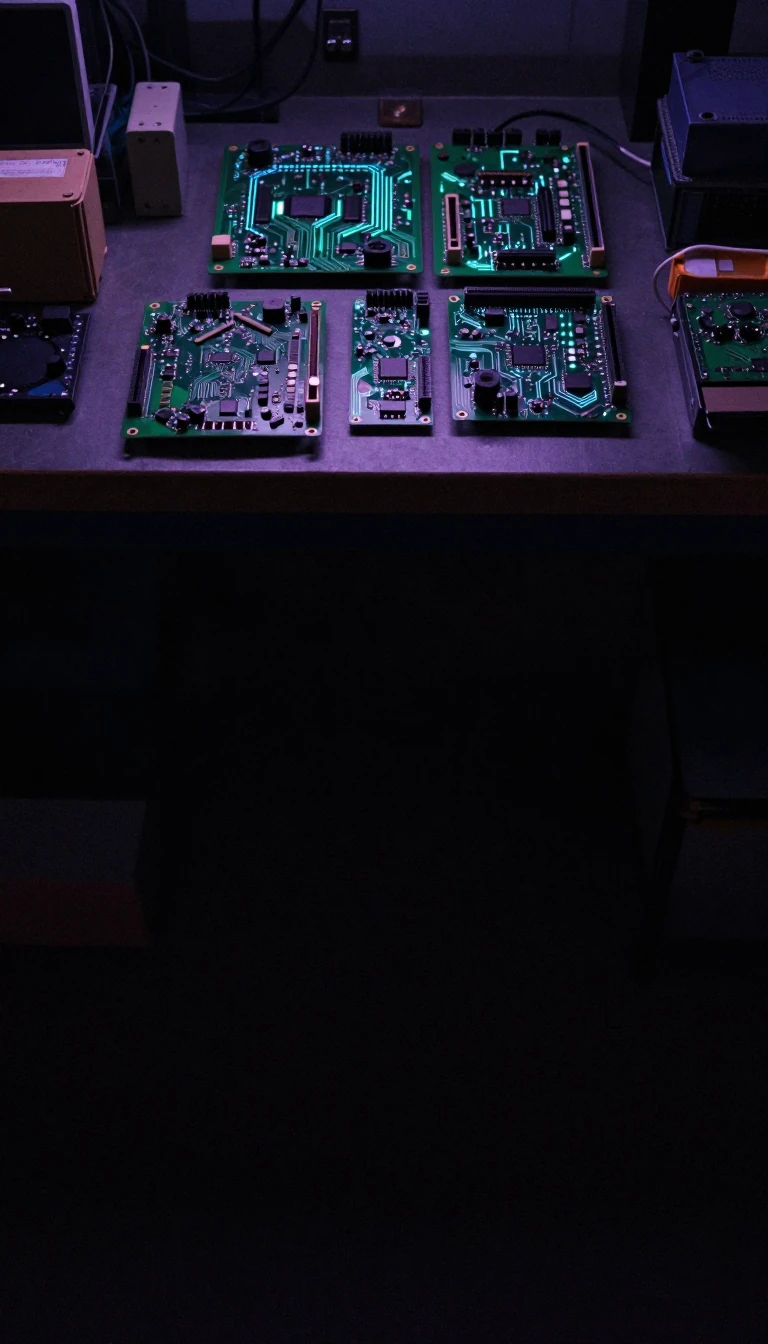
In short: RISC-V is a free, open-standard architecture that allows anyone to design processors without paying royalties. Born at UC Berkeley in 2010, it aims to replace proprietary systems like x86 and ARM by providing a modular, stable foundation for everything from tiny microcontrollers to massive, warehouse-scale supercomputers.
The instruction set architecture (ISA) acts as the critical bridge between hardware and software. For decades, commercial vendors like Arm Ltd. and MIPS Technologies have dominated this space, charging royalties and keeping their design rationales behind closed doors. RISC-V emerged as a direct challenge to this model, originating from a long series of academic projects at the University of California, Berkeley, led by David Patterson and Krste Asanović. Unlike previous academic experiments, RISC-V was built from the start to be practical, royalty-free, and deployable in real-world commercial hardware.
The architecture relies on a modular design. It features a base set of instructions—sufficient for a general-purpose computer—that can be augmented with optional extensions for specific tasks, such as floating-point math, virtualization, or compressed instructions to save memory. This flexibility allows engineers to optimize chips for specific applications, though it creates a risk of fragmentation. To combat this, the organization now uses 'profiles' to define standardized, interoperable sets of features, ensuring that software ecosystems can thrive without being overwhelmed by endless configuration choices.
Governance is managed by RISC-V International, a Swiss-based non-profit that took over in 2015 to provide the stability required by commercial users. With over 4,500 members as of 2025, the organization maintains the specifications and trademarked compatibility logos. By moving to Switzerland in 2019, the group sought to insulate its open-source development from shifting international trade regulations. Today, the project is supported by major industry players including Google, Nvidia, and Intel, all working to ensure that RISC-V becomes a viable, long-term alternative to the proprietary status quo.
Opens the Intellect+ feed with this card first. Swipe up for the next one.
Sources
- Summary by Intellect · source: RISC-V
To cite this card, link to https://intellectplus.co.uk/app/technology-risc-v.
How we source, check and correct cards: Editorial standards.
General information, not professional advice. Spotted an error? Flag the card or see corrections and complaints.
Intellect Plus is a visual educational discovery platform for exploring fascinating facts and ideas. Brain Food, Not Brain Rot. What is Intellect Plus?
Related
More in Technology today · More in Technology · Latest · A–Z · All topics
