The Muslim world is not a monolith, but a diverse tapestry of 1.9 billion people.
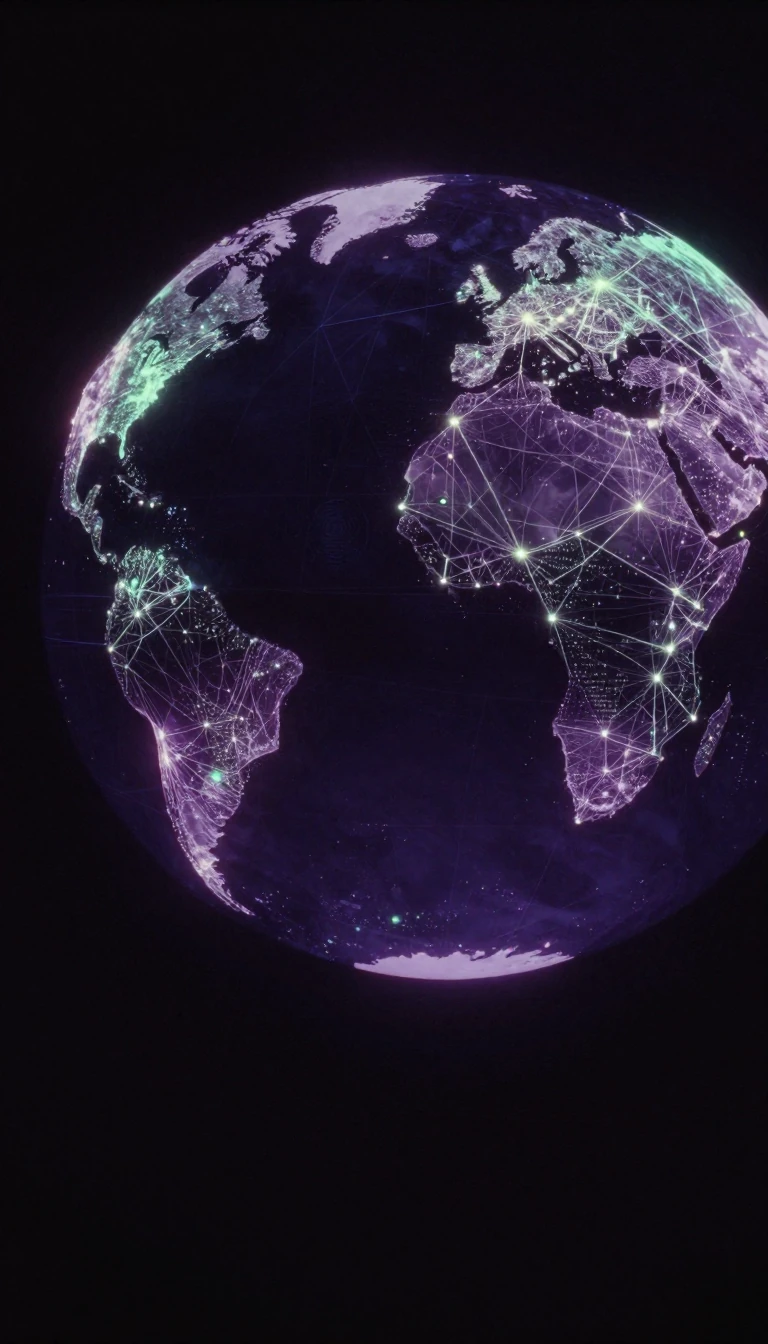
In short: Often viewed through a simplistic, binary lens, the Muslim world defies easy categorization. With 1.9 billion adherents across varied political and economic systems, it spans continents and cultures. From secular republics to states governed by Sharia, the reality of this global community is far more complex than common geopolitical labels suggest.
The term 'Muslim world' is a modern construct, emerging in the nineteenth century as imperialists sought to emphasize civilizational differences. Today, it remains a contested concept. No state possesses a religiously homogeneous population, and in absolute numbers, significant Muslim communities reside in nations where they are a minority, such as India. Scholars and commentators frequently criticize the label as binary, preferring the more precise 'Muslim-majority countries' to describe the 49 nations where Muslims constitute the majority.
The history of this community is marked by profound intellectual and political evolution. Following the Hijra in 622 CE, the faith expanded rapidly, eventually giving rise to influential powers like the Abbasid, Mughal, and Ottoman Empires. During the seventeenth and eighteenth centuries, the Mughal Empire under Muhammad Aurangzeb became the world's largest economy, accounting for 25% of global GDP. However, the subsequent 'Great Divergence' and European colonial expansion fundamentally altered the trajectory of these societies, leading to the diverse post-colonial landscape seen today.
Internal diversity is equally striking. While 87–90% of Muslims are Sunni and 10–13% are Shia, there are numerous schools of jurisprudence and non-denominational movements, particularly in Central Asia. Furthermore, the relationship between state and religion varies wildly. While some nations like Turkey have long pursued secularism, others, such as Iran, function as Islamic republics. This spectrum reflects ongoing debates about the compatibility of Islamic traditions with modern concepts like democracy, feminism, and secularism, proving that the 'Muslim world' is not a uniform entity, but a dynamic, evolving global force.
Opens the Intellect+ feed with this card first. Swipe up for the next one.
Sources
- Summary by Intellect · source: Islamic world
To cite this card, link to https://intellectplus.co.uk/app/technology-islamic-world.
How we source, check and correct cards: Editorial standards.
General information, not professional advice. Spotted an error? Flag the card or see corrections and complaints.
Intellect Plus is a visual educational discovery platform for exploring fascinating facts and ideas. Brain Food, Not Brain Rot. What is Intellect Plus?
Related
More in Inventions · More in Technology · Latest · A–Z · All topics
