Islamic culture is a vast, interconnected tapestry of diverse traditions spanning over a millennium.
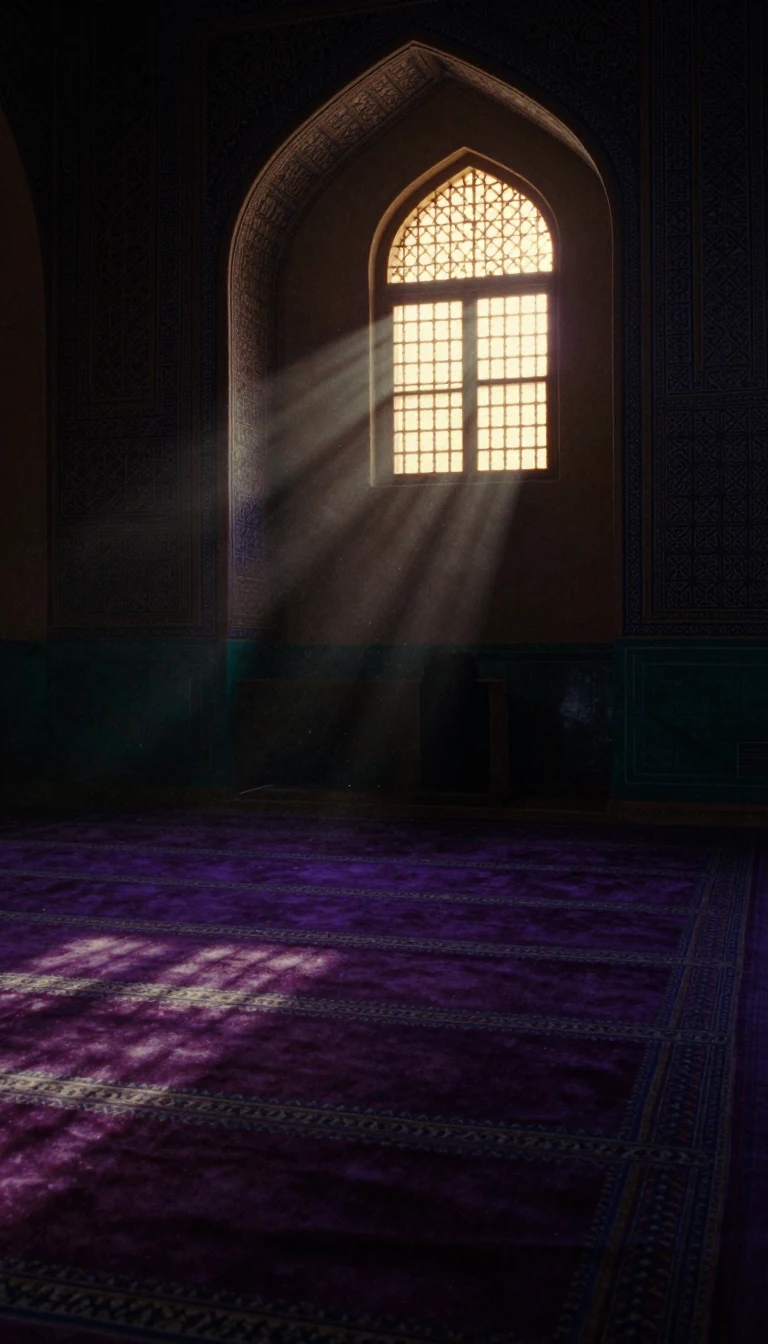
In short: Far from a monolith, Islamic culture is a dynamic synthesis of Arab, Persian, Turkic, and South Asian influences. From the intricate geometry of mosque architecture to the meditative whirling of Sufi dervishes, this cultural heritage has evolved through centuries of artistic, literary, and spiritual exchange across vast global territories.
Islamic culture emerged as a shared identity that acted as a conduit for diverse peoples, blending Arab, Byzantine, and Persian roots with traditions from Indonesia to the Caucasus. This synthesis is evident in literature, where Persian poetry—spanning over two-and-a-half millennia—became a dominant force in courtly life from the Ghaznavids to the Mughal Empire. Even in regions like Bengal, Muslim writers enriched local languages for over 600 years, exploring themes of cosmology and history, while the Quran itself remains a foundational influence on the development of Arabic literature and the artistic practice of calligraphy.
The visual arts of the Muslim world are often defined by a sophisticated tension between aniconism and representation. While religious art frequently favors abstract floral patterns, geometric shapes, and calligraphy to avoid idolatry, secular art has a long history of depicting human and animal figures. This is particularly visible in the tradition of Persian and Mughal miniatures, which were often private works for the elite. Architecture similarly reflects this blend of utility and beauty, with design elements like the mihrab and minaret evolving from diverse pre-Islamic and regional sources to define the public spaces of the mosque.
Spirituality and performance also play a central role, with traditions like the Sufi sama ritual—famously practiced by the Mevlevi Order—using music and dance to trigger mystical states. These practices, while occasionally contested, have been integral to the spiritual life of millions, from the Chishti order in the Indian subcontinent to the tannoura dancers of Egypt. Today, these ancient forms continue to resonate, as seen in the global recognition of the Mevlevi Sama Ceremony by UNESCO and the enduring popularity of traditional puppet theatre, which remains a vibrant medium for storytelling across the Islamic world.
Opens the Intellect+ feed with this card first. Swipe up for the next one.
Sources
- Summary by Intellect · source: Islamic culture
To cite this card, link to https://intellectplus.co.uk/app/culture-islamic-culture.
How we source, check and correct cards: Editorial standards.
General information, not professional advice. Spotted an error? Flag the card or see corrections and complaints.
Intellect Plus is a visual educational discovery platform for exploring fascinating facts and ideas. Brain Food, Not Brain Rot. What is Intellect Plus?
Related
More in Culture · More in Cultures · Latest · A–Z · All topics
