Why the most powerful space telescope ever built must stay frozen in deep space
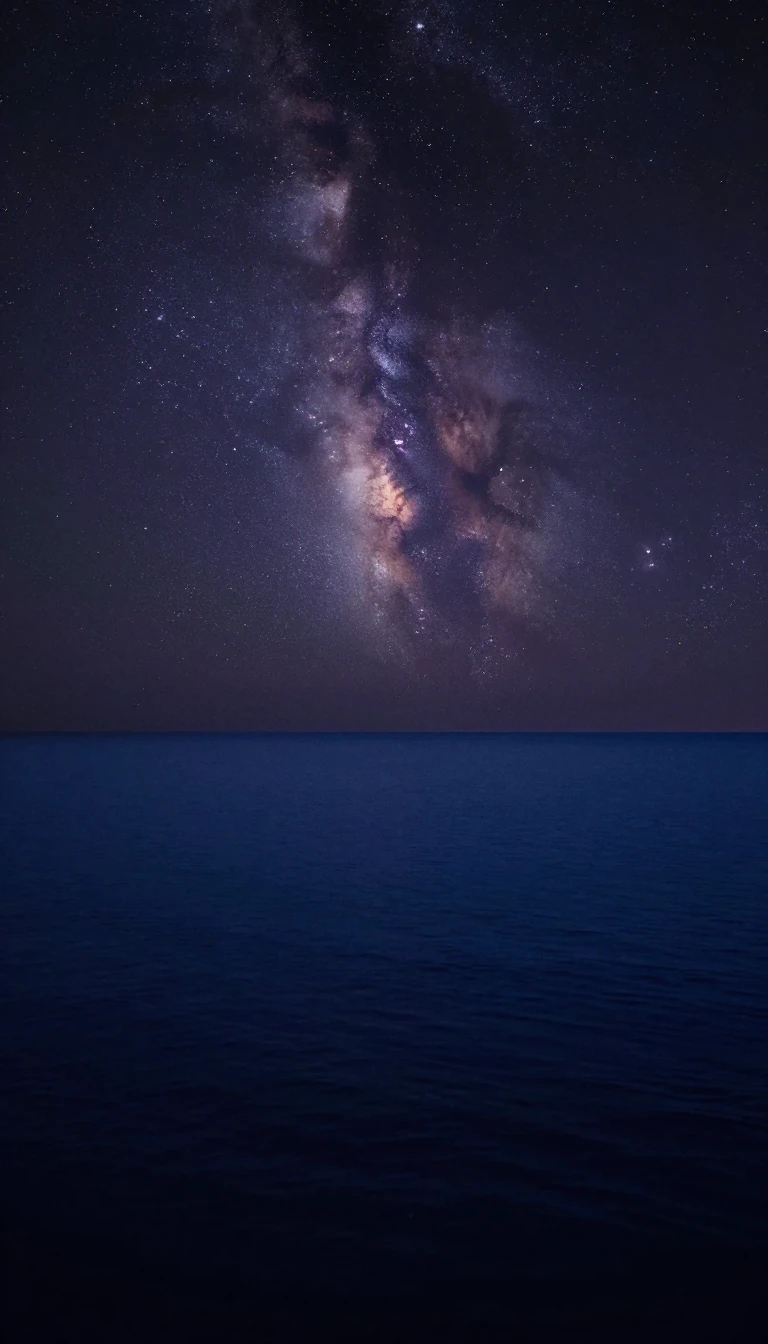
In short: The James Webb Space Telescope peers into the dawn of time, capturing light from the first stars. To function, this massive infrared observatory must remain colder than 50 Kelvin. It achieves this by hiding behind a five-layer sunshield, orbiting a million miles from Earth in the permanent dark.
Launched on December 25, 2021, the James Webb Space Telescope represents a massive leap in infrared astronomy. While its primary mirror is significantly larger than Hubble's, its ability to see the past relies on its unique vantage point. By orbiting the Sun–Earth L2 Lagrange point, roughly 1.5 million kilometers from our planet, the telescope maintains a constant orientation. This allows its complex sunshield to block heat from the Sun, Earth, and Moon, keeping the instruments on the dark side below 50 Kelvin.
The telescope's design addresses a fundamental challenge: infrared radiation is essentially heat. If the telescope were warm, its own thermal emissions would drown out the faint signals from distant galaxies. To prevent this, Webb uses 18 gold-plated beryllium segments that form a 6.5-meter mirror, allowing it to collect light from objects up to 100 times fainter than what Hubble can detect. This sensitivity enables astronomers to study the formation of the first galaxies and characterize the atmospheres of potentially habitable exoplanets.
Development of the project was marked by significant challenges. Originally conceived in 1996 as the Next Generation Space Telescope, the program faced extensive delays and cost overruns, ultimately reaching a US$10 billion price tag. Unlike Hubble, which was designed for in-orbit servicing by astronauts, Webb operates too far away for human intervention. However, engineers included specific markers and accessible attachment points to potentially facilitate future remote, uncrewed servicing missions.
The observatory relies on four primary instruments, including the NIRCam for imaging and the MIRI for mid-infrared observations. MIRI requires even more extreme cooling, utilizing a mechanical cryocooler to reach temperatures below 6 Kelvin. By operating in these frigid conditions, Webb bypasses the interference of Earth's atmosphere, opening a new window into the universe's earliest history, back to approximately 180 million years after the Big Bang.
Opens the Intellect+ feed with this card first. Swipe up for the next one.
Sources
- Summary by Intellect · source: James Webb Space Telescope
To cite this card, link to https://intellectplus.co.uk/app/technology-james-webb-space-telescope.
How we source, check and correct cards: Editorial standards.
General information, not professional advice. Spotted an error? Flag the card or see corrections and complaints.
Intellect Plus is a visual educational discovery platform for exploring fascinating facts and ideas. Brain Food, Not Brain Rot. What is Intellect Plus?
Related
More in Astronomy · More in Space · Latest · A–Z · All topics
