Mexico has no official language, yet its linguistic landscape is a complex, centuries-old tapestry.
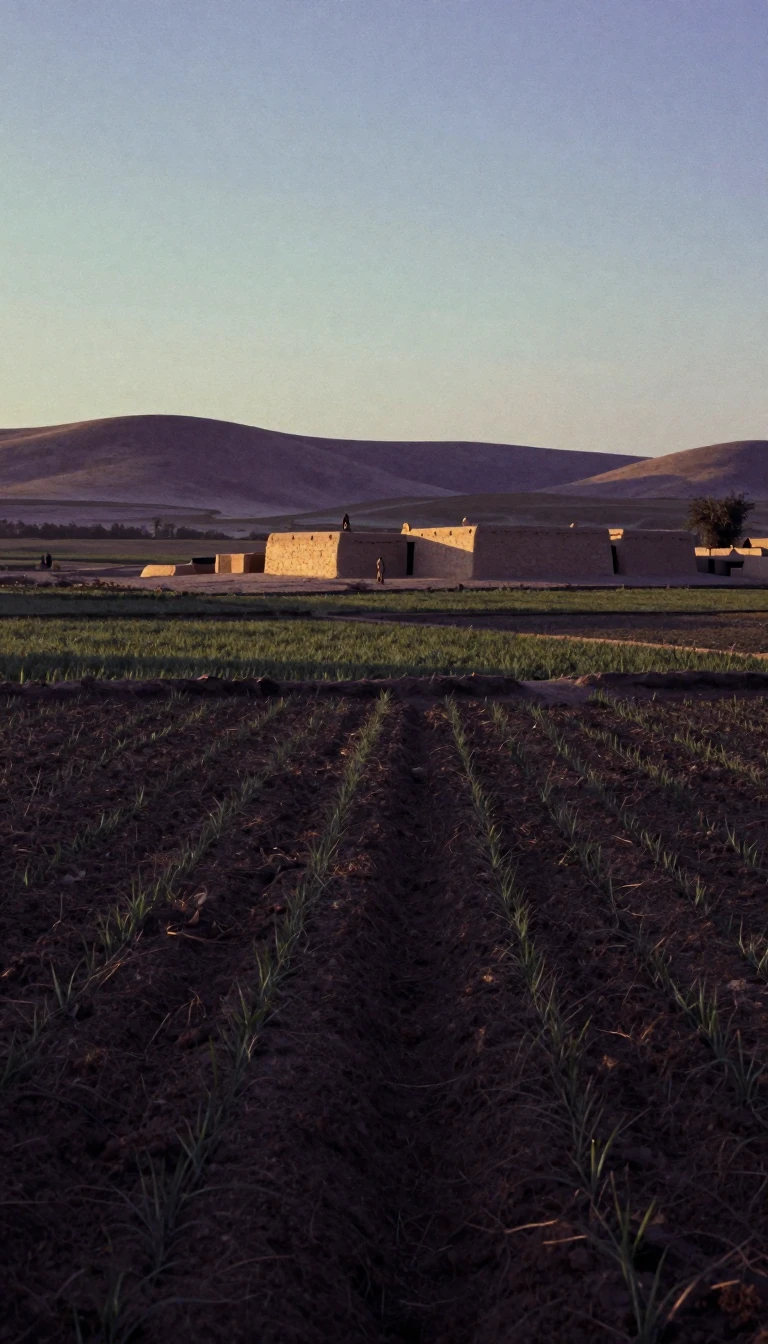
In short: While Spanish dominates daily life, Mexico is home to over 60 indigenous languages. Once suppressed by state-mandated assimilation, these tongues are now legally recognized as national languages. From colonial-era decrees to modern revitalization efforts, the country's relationship with its diverse linguistic heritage remains a dynamic and often contested struggle.
Mexico is unique for lacking a constitutionally defined official language, despite Spanish being the primary medium for government and daily communication. This absence is partly a gesture of respect toward the nation's indigenous communities. Historically, the state's approach fluctuated wildly: 16th-century missionaries often studied native tongues to spread doctrine, and in 1570, Philip II even designated Nahuatl as an official language of New Spain. However, this policy was reversed by 1696, initiating centuries of forced Hispanization that intensified after independence.
Throughout the 20th century, the state actively discouraged native languages, often punishing students for using them in schools. It was not until the 2003 passage of the General Law of Linguistic Rights that the government formally recognized indigenous languages as national languages with equal validity to Spanish within their specific territories. This legislation empowers citizens to interact with officials and request documents in their native tongues, supported by the National Institute of Indigenous Languages.
Despite these protections, the future of many languages remains precarious. Only about 5% to 6% of the population speaks an indigenous language, and many are considered endangered. Nahuatl remains the most widely spoken, with over a million speakers, followed by others like Yucatec Maya and Zapotec. Socioeconomic disadvantages and the pressure to assimilate into mestizo society continue to drive language loss. Today, revitalization projects, such as those documenting Nahua experiences, attempt to reverse this shift, highlighting the ongoing tension between preserving ancient cultural identities and the dominance of Spanish in modern Mexican society.
Opens the Intellect+ feed with this card first. Swipe up for the next one.
Sources
- Summary by Intellect · source: Languages of Mexico
To cite this card, link to https://intellectplus.co.uk/app/technology-languages-of-mexico.
How we source, check and correct cards: Editorial standards.
General information, not professional advice. Spotted an error? Flag the card or see corrections and complaints.
Intellect Plus is a visual educational discovery platform for exploring fascinating facts and ideas. Brain Food, Not Brain Rot. What is Intellect Plus?
Related
More in Inventions · More in Technology · Latest · A–Z · All topics
