How a single beam of light draws images with static electricity
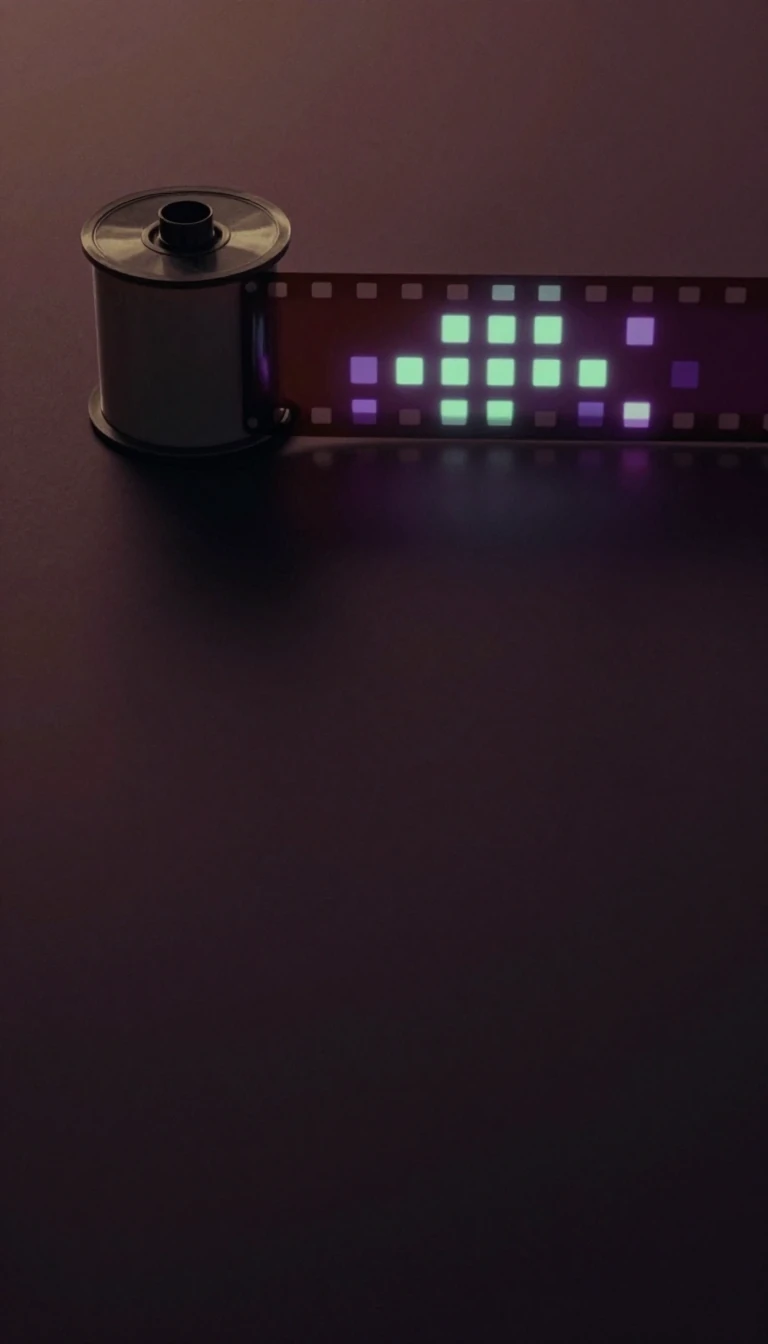
In short: Before the era of cheap inkjet, laser printing revolutionized the office. By using a precisely controlled beam of light to manipulate electrostatic charges, these machines could render complex text and graphics with incredible speed, transforming the way we share information through a process of light, powder, and intense heat.
The technology traces its origins to the 1970s at Xerox PARC. In 1969, developer Gary Starkweather conceived of using a laser to 'draw' an image directly onto a copier drum. This evolution led to the IBM 3800, released in 1976, a massive data center printer capable of 215 pages per minute at 240 dpi. While early machines like the Xerox Star 8010 were prohibitively expensive—costing roughly US$17,000 in 1981—the arrival of the HP LaserJet in 1984 brought high-quality printing to the mass market.
The mechanism is an elegant dance of physics known as xerography. It begins with a rotating, photosensitive drum coated in materials like selenium or organic photoconductors. A laser beam, often an aluminum gallium arsen and arsenide semiconductor, sweeps across the drum. Where the light hits, it neutralizes or reverses the drum's surface charge. This allows negatively charged toner—a fine plastic powder—to adhere specifically to the areas struck by the laser.
The final stage involves transferring this powdered image onto paper. As the sheet passes through the fuser assembly, it encounters rollers heated to temperatures as high as 427 °C (801 °F). This intense heat and pressure permanently melt and bond the toner particles into the paper fibers. While early printers required massive amounts of expensive memory to hold entire pages, modern advancements in microprocessors and cheaper memory have made high-resolution, high-speed printing a ubiquitous tool in both homes and businesses.
Opens the Intellect+ feed with this card first. Swipe up for the next one.
Sources
- Summary by Intellect · source: Laser printing
To cite this card, link to https://intellectplus.co.uk/app/technology-laser-printer.
How we source, check and correct cards: Editorial standards.
General information, not professional advice. Spotted an error? Flag the card or see corrections and complaints.
Intellect Plus is a visual educational discovery platform for exploring fascinating facts and ideas. Brain Food, Not Brain Rot. What is Intellect Plus?
Related
More in Inventions · More in Technology · Latest · A–Z · All topics
