Tiny machines smaller than a human hair are reshaping how we interact with reality
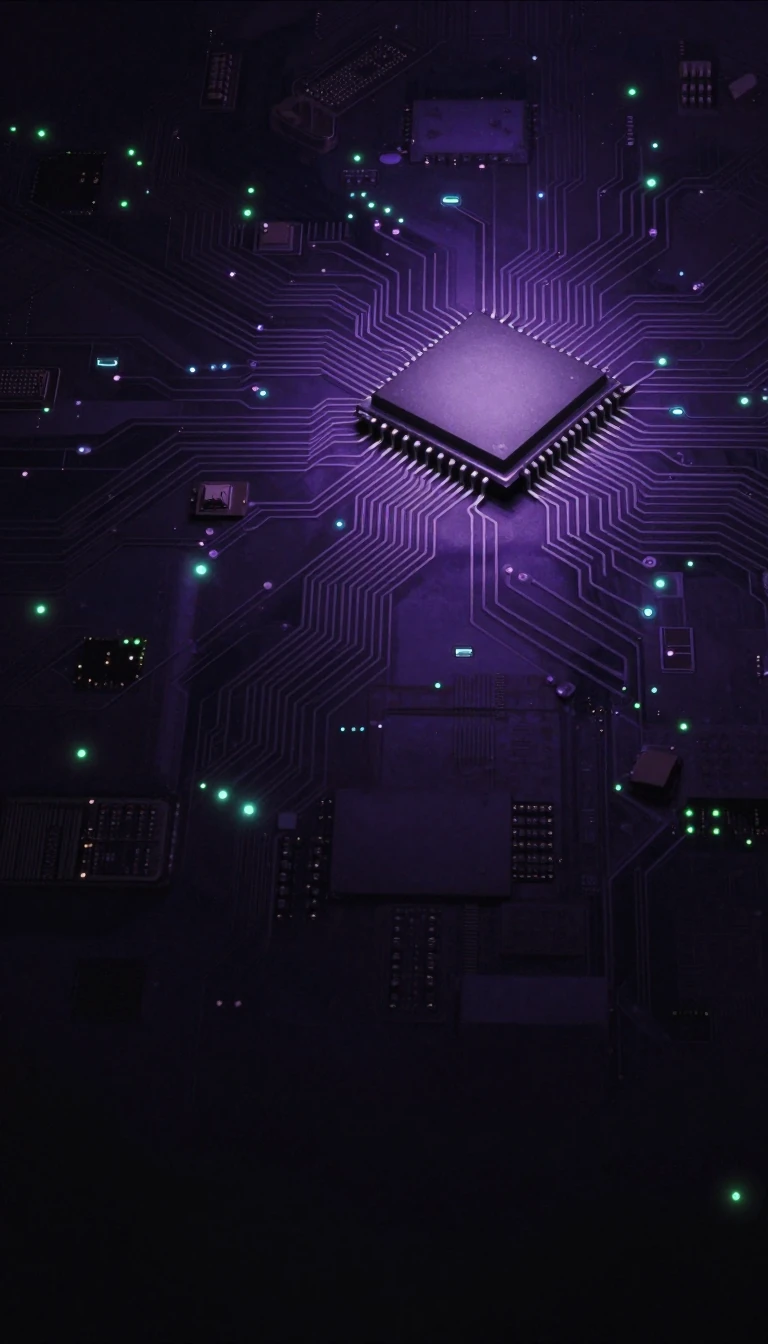
In short: Micromachines are mechanical marvels, typically sized between 100 nanometres and 100 micrometres, built using techniques borrowed from integrated circuit manufacturing. These microscopic devices function as sensors or actuators, translating environmental data into electrical signals or converting energy into precise physical motion. They are the invisible engines powering everything from modern automotive safety systems.
Micromachines are fabricated primarily through two distinct methods: surface micromachining and bulk micromachining. In the latter process, specific regions are heavily doped with boron to create an unetchable pattern. When the surrounding silicon is submerged in liquid etchants, this boron-doped layer acts as an etchstop, allowing for the precise sculpting of complex mechanical structures like gears and levers. This ability to manipulate materials at such a granular scale is what enables the creation of highly specialized components.
The utility of these machines lies in their role as transducers. Sensors, such as resonant chemical sensors, operate by detecting changes in mass. A sensor coated with a specific polymer will attract target molecules; as these molecules attach, the added mass shifts the object's resonance frequency. This shift is then captured by circuitry, allowing for the detection of specific substances. Conversely, actuators convert electrical energy into physical movement. Electrostatic actuators leverage electric fields between a stationary stator and a movable rotor, while thermal actuators utilize the expansion of heated materials to generate force.
Thermal actuation is exemplified by the heatuator, a U-shaped beam featuring arms of different widths. When current flows through the structure, the narrower arm heats more rapidly than the wider one due to differences in current density. This thermal imbalance causes the hotter, expanding arm to push against the cooler one, resulting in controlled motion. Magnetic actuators represent a third category, employing fabricated magnetic layers to exert force. These diverse mechanisms allow micromachines to perform tasks ranging from triggering vehicle airbags to sensing hazardous environmental agents, demonstrating the profound impact of engineering at the microscopic level.
Opens the Intellect+ feed with this card first. Swipe up for the next one.
Sources
- Summary by Intellect · source: Micromachinery
To cite this card, link to https://intellectplus.co.uk/app/technology-micromachinery.
How we source, check and correct cards: Editorial standards.
General information, not professional advice. Spotted an error? Flag the card or see corrections and complaints.
Intellect Plus is a visual educational discovery platform for exploring fascinating facts and ideas. Brain Food, Not Brain Rot. What is Intellect Plus?
Related
More in Machinery and tools · More in Technology · Latest · A–Z · All topics
