The simple earth-and-timber fortress that defined medieval power across Western Europe
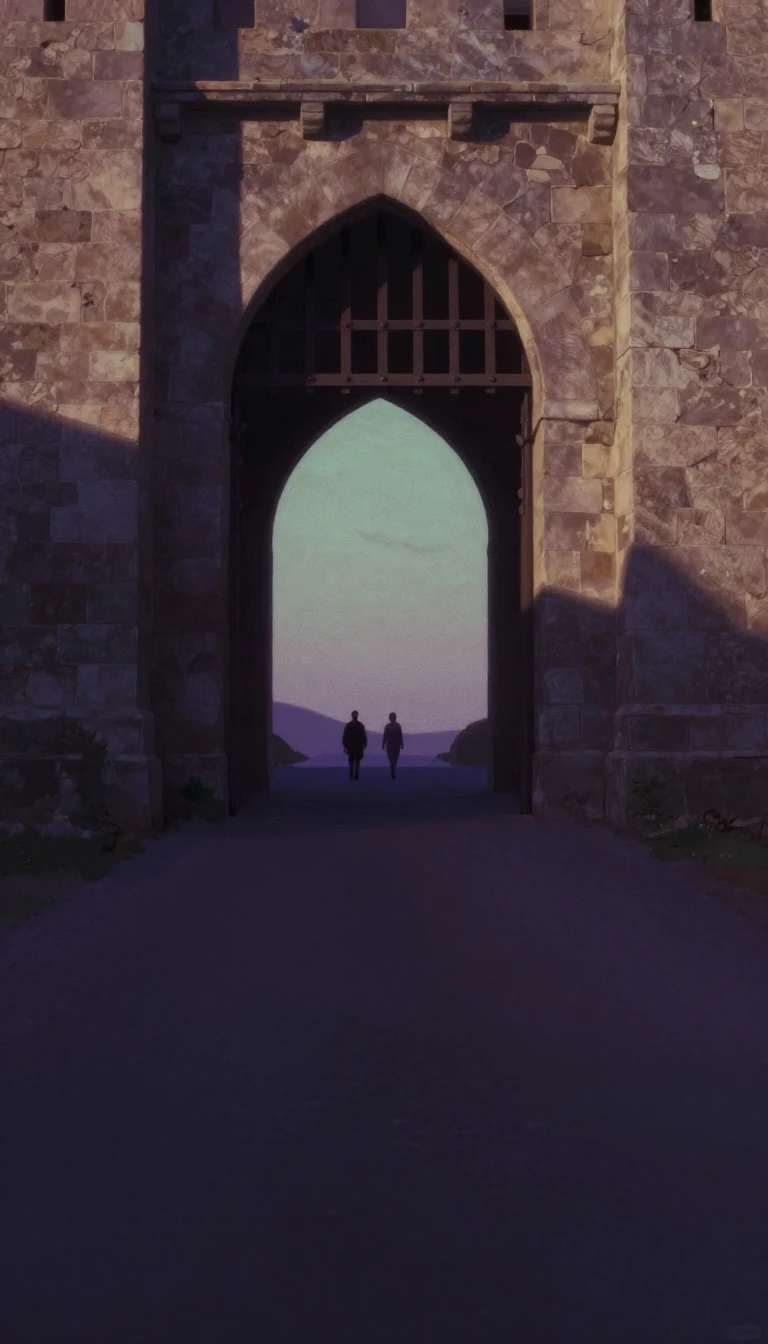
In short: Emerging in 10th-century France, the motte-and-bailey castle was a masterclass in efficient military engineering. By combining a raised mound with a fortified courtyard, lords created formidable strongholds that could be constructed rapidly with unskilled labor, eventually becoming the architectural hallmark of Norman expansion and feudal control across the continent.
The motte-and-bailey design relied on two primary components: the motte, an artificial or natural mound topped with a defensive keep, and the bailey, a lower, enclosed courtyard. This layout was highly adaptable, with the bailey serving as the hub for economic life, housing kitchens, stables, forges, and barracks. The two sections were typically linked by a bridge or stairs, with the entire complex encircled by ditches and wooden palisades. To enhance security, builders often diverted water to create moats, while wooden keeps were sometimes draped in animal hides to resist fire during sieges.
Construction was remarkably practical. Mottes ranged from 3 to 30 meters in height, with the surrounding ditch often providing the very earth needed to raise the mound. While many assume these were massive stone structures, most were built from timber and earth. The keep itself could be quite sophisticated; accounts from the 12th century describe multi-story wooden towers containing granaries, living quarters for the lord and his family, and dedicated spaces for watchmen. Some designs even featured brattices—projecting balconies that allowed defenders to fire downward at attackers attempting to scale the base.
These fortifications were not static; they evolved alongside the feudal systems they protected. Appearing first between the Rhine and Loire rivers, the design spread rapidly through the 11th century, reaching England, Wales, and eventually Scotland and Ireland. By the 13th century, however, the rise of more permanent masonry defenses began to render the timber-based motte-and-bailey obsolete. The eventual arrival of gunpowder weaponry in the 1400s and 1500s finally signaled the end of this era, forcing a transition toward modern military fortifications designed to withstand artillery fire rather than simple infantry assaults.
Opens the Intellect+ feed with this card first. Swipe up for the next one.
Sources
- Summary by Intellect · source: Motte-and-bailey castle | military architecture | Britannica
- Also: Motte-and-bailey castle
To cite this card, link to https://intellectplus.co.uk/app/technology-motte-and-bailey-castle.
How we source, check and correct cards: Editorial standards.
General information, not professional advice. Spotted an error? Flag the card or see corrections and complaints.
Intellect Plus is a visual educational discovery platform for exploring fascinating facts and ideas. Brain Food, Not Brain Rot. What is Intellect Plus?
Related
More in Military technology · More in Technology · Latest · A–Z · All topics
