The medieval keep was less a military necessity and more a political statement
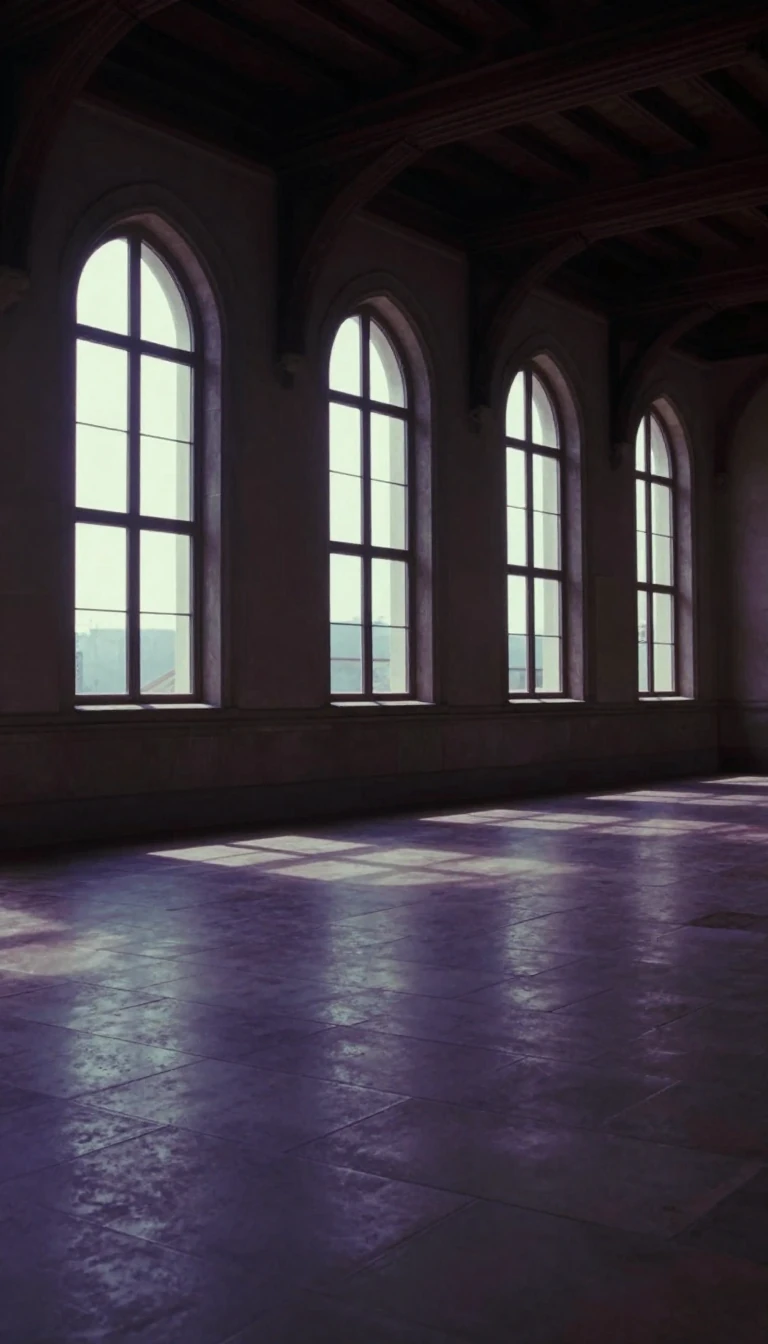
In short: While often viewed as the ultimate defensive refuge, the medieval keep was frequently a tool of power. These towers served as high-status residences and symbols of authority, with their design often prioritizing political messaging over military utility. Even as artillery eventually rendered them obsolete, their legacy remains deeply embedded in history.
The keep, a fortified tower within a castle, emerged in the 10th century as a key component of motte-and-bailey designs in Normandy and Anjou. Initially constructed from timber, these structures served as both private residences and a final refuge. By the 11th century, stone keeps began to appear, though they remained expensive and slow to build, often requiring a decade to complete due to the limitations of lime mortar. Despite their reputation for impregnability, many early stone keeps, such as Norwich Castle, featured elaborate architectural details that prioritized public ceremony over defensive function.
The evolution of keep design was heavily influenced by political shifts. In the 1190s, Philip II of France commissioned a series of circular keeps to consolidate royal authority over newly acquired territories. Similarly, in England, unique polygonal or angular designs like Orford Castle were likely driven by the need to project royal power in contested regions rather than purely military innovation. Even formidable structures like Château Gaillard contained significant defensive flaws, such as a lack of an internal well, highlighting that their primary purpose was often to reaffirm Angevin authority.
By the 15th century, the rise of improved artillery, such as the bombards used against Bamburgh Castle in 1464, compromised the protective role of the keep. As military needs shifted, new castle designs like the concentric approach and the quadrangular layout rendered the central keep redundant. While Victorian historians later incorrectly assumed that all keeps were primarily military refuges, modern scholarship emphasizes that these buildings were never a unified style, but rather a diverse collection of structures reflecting the complex social and political landscape of the Middle Ages.
Opens the Intellect+ feed with this card first. Swipe up for the next one.
Sources
- Summary by Intellect · source: Keep
To cite this card, link to https://intellectplus.co.uk/app/technology-keep.
How we source, check and correct cards: Editorial standards.
General information, not professional advice. Spotted an error? Flag the card or see corrections and complaints.
Intellect Plus is a visual educational discovery platform for exploring fascinating facts and ideas. Brain Food, Not Brain Rot. What is Intellect Plus?
Related
More in Military technology · More in Technology · Latest · A–Z · All topics
