How modern infrastructure squeezes infinite data through a single, finite physical wire
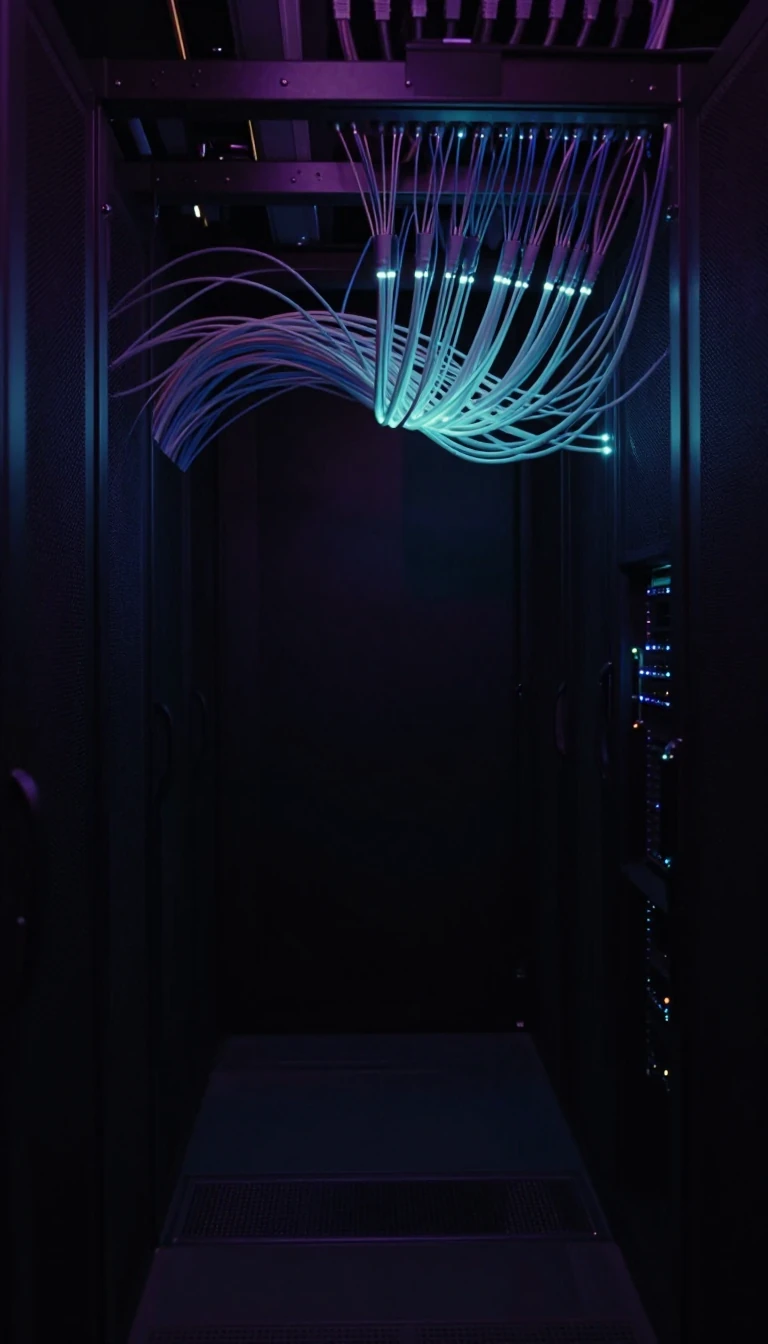
In short: Multiplexing is the silent engine of the digital age, allowing multiple signals to share one physical medium. By dividing capacity through time, frequency, or space, it transforms a single cable into a highway for thousands of simultaneous conversations, video streams, and data packets without them ever colliding.
At its core, multiplexing solves a fundamental economic problem: physical transmission media, such as copper wires or fiber-optic cables, are scarce and expensive. Rather than laying a new line for every user, engineers use multiplexing to combine multiple analog or digital signals into one. This process, performed by a device called a multiplexer (MUX), creates logical channels within a single physical path. At the receiving end, a demultiplexer (DEMUX) reverses the process, extracting the original signals for their intended recipients.
The methods for achieving this are diverse. Frequency-division multiplexing (FDM) assigns signals to distinct frequency ranges, a technique foundational to traditional radio and television broadcasting. Conversely, time-division multiplexing (TDM) allocates specific time slots to different data streams. If the switching occurs rapidly enough, the receiver perceives a continuous flow. More advanced techniques include code-division multiplexing (CDM), which uses unique channel-specific pulse sequences, and space-division multiplexing, which utilizes separate conductors or multiple antenna elements to isolate signals.
The history of this technology dates back to the 1870s, originating in the telegraph industry. By 1874, Thomas Edison had developed a quadruplex telegraph capable of sending four messages over one wire simultaneously. Today, these principles are embedded in everything from the Global Positioning System (GPS) to the fiber-optic backbones of the internet. While some newer methods like orbital angular momentum multiplexing remain subjects of academic debate regarding their classification, the fundamental goal remains unchanged: maximizing the efficiency of our global communication infrastructure.
Beyond hardware, multiplexing is a vital concept in computing and software. Operating systems use I/O multiplexing to manage multiple events from a single loop, while video editing software interleaves audio and video into coherent streams. Whether it is a 100 Gbit/s fiber-optic system or a simple stereo audio cable, multiplexing ensures that our limited physical resources can support the massive, interconnected demands of modern society.
Opens the Intellect+ feed with this card first. Swipe up for the next one.
Sources
- Summary by Intellect · source: Multiplexing
- Also: www.britannica.com — Multiplexing | Data Transmission, Networking & Modulation | Britannica
To cite this card, link to https://intellectplus.co.uk/app/technology-multiplexing.
How we source, check and correct cards: Editorial standards.
General information, not professional advice. Spotted an error? Flag the card or see corrections and complaints.
Intellect Plus is a visual educational discovery platform for exploring fascinating facts and ideas. Brain Food, Not Brain Rot. What is Intellect Plus?
Related
More in Electronics · More in Technology · Latest · A–Z · All topics
