Why modern computers use multiple brains to handle your daily digital workload
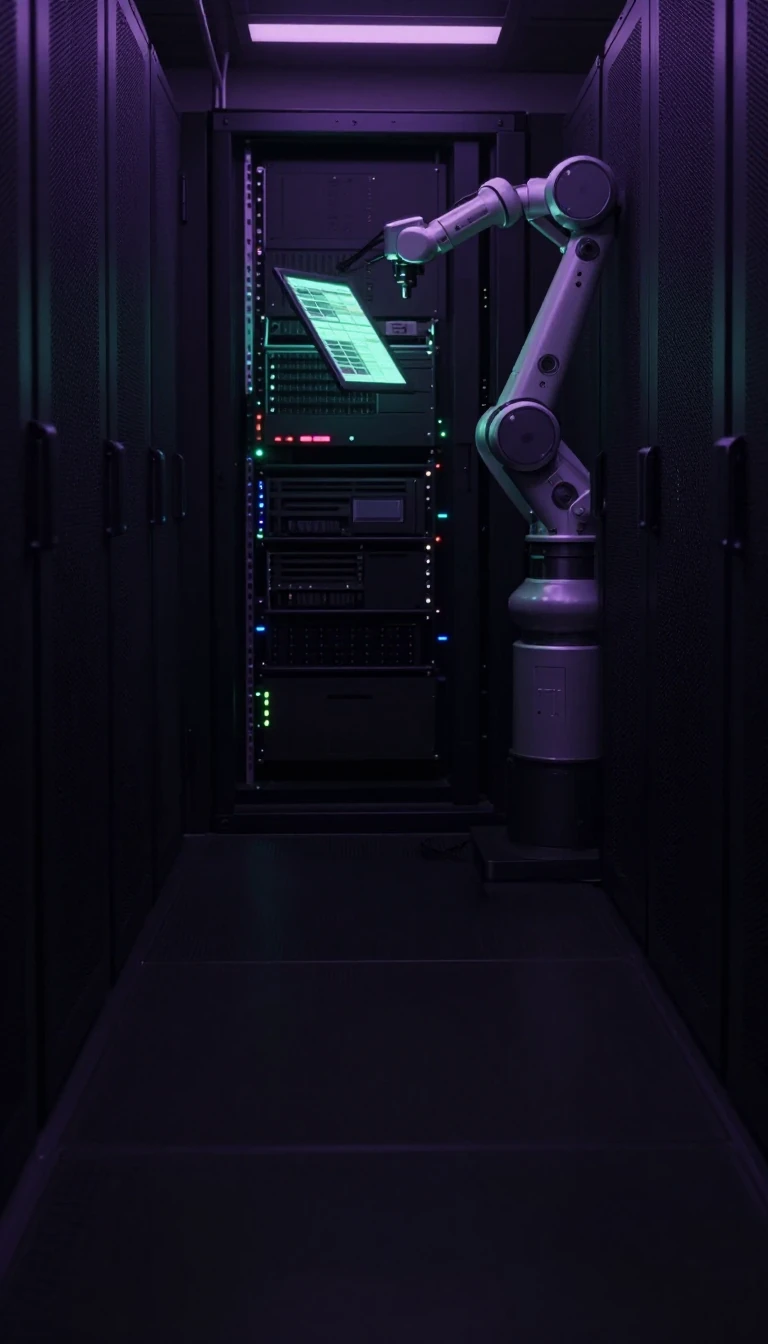
In short: Multiprocessing is the engine room of modern computing, moving beyond single-processor limitations by coordinating two or more CPUs to share the load. Whether through tightly integrated chips or networked clusters, this architecture enables true parallel execution, allowing systems to manage complex tasks with greater efficiency and speed than ever before.
At its core, multiprocessing describes a system architecture where multiple processors collaborate within a single computer. While early definitions focused on the physical presence of multiple CPUs, the concept has evolved to include multi-core processors, where several processing units reside on a single silicon die. This design allows for true parallel execution, where different processes run simultaneously on separate cores, distinguishing it from multitasking, which merely switches a single processor between tasks in rapid time slices.
Systems are often categorized by how they distribute authority and memory. In symmetric multiprocessing (SMP), all CPUs are treated as equals, sharing memory and resources to handle tasks. Conversely, master/slave configurations assign a primary processor to control the system while others handle specific duties. For instance, the 1982 Tandy/Radio Shack TRS-80 Model 16 utilized a Z80 processor for input/output operations while a Motorola 68000 managed the operating system and applications. These systems can be tightly coupled, sharing a common bus and memory, or loosely coupled, where independent computers are networked into clusters.
The choice between these architectures involves significant trade-offs. Tightly coupled systems, such as the IBM p690 Regatta, are physically compact and energy-efficient because their components are designed for seamless integration. However, they often require higher initial investment. Loosely coupled systems, like Linux Beowulf clusters, rely on commodity hardware, making them more affordable and flexible—they can even run different operating systems on individual nodes. Yet, as systems scale, developers must manage the overhead of synchronization, data consistency, and conflict resolution, which can become a bottleneck when merging results from multiple threads or processes.
Opens the Intellect+ feed with this card first. Swipe up for the next one.
Sources
- Summary by Intellect · source: Multiprocessing
To cite this card, link to https://intellectplus.co.uk/app/technology-multiprocessing.
How we source, check and correct cards: Editorial standards.
General information, not professional advice. Spotted an error? Flag the card or see corrections and complaints.
Intellect Plus is a visual educational discovery platform for exploring fascinating facts and ideas. Brain Food, Not Brain Rot. What is Intellect Plus?
Related
More in Computing and information technology · More in Technology · Latest · A–Z · All topics
