How a stolen recipe became the world's most ubiquitous and adaptable holiday salad
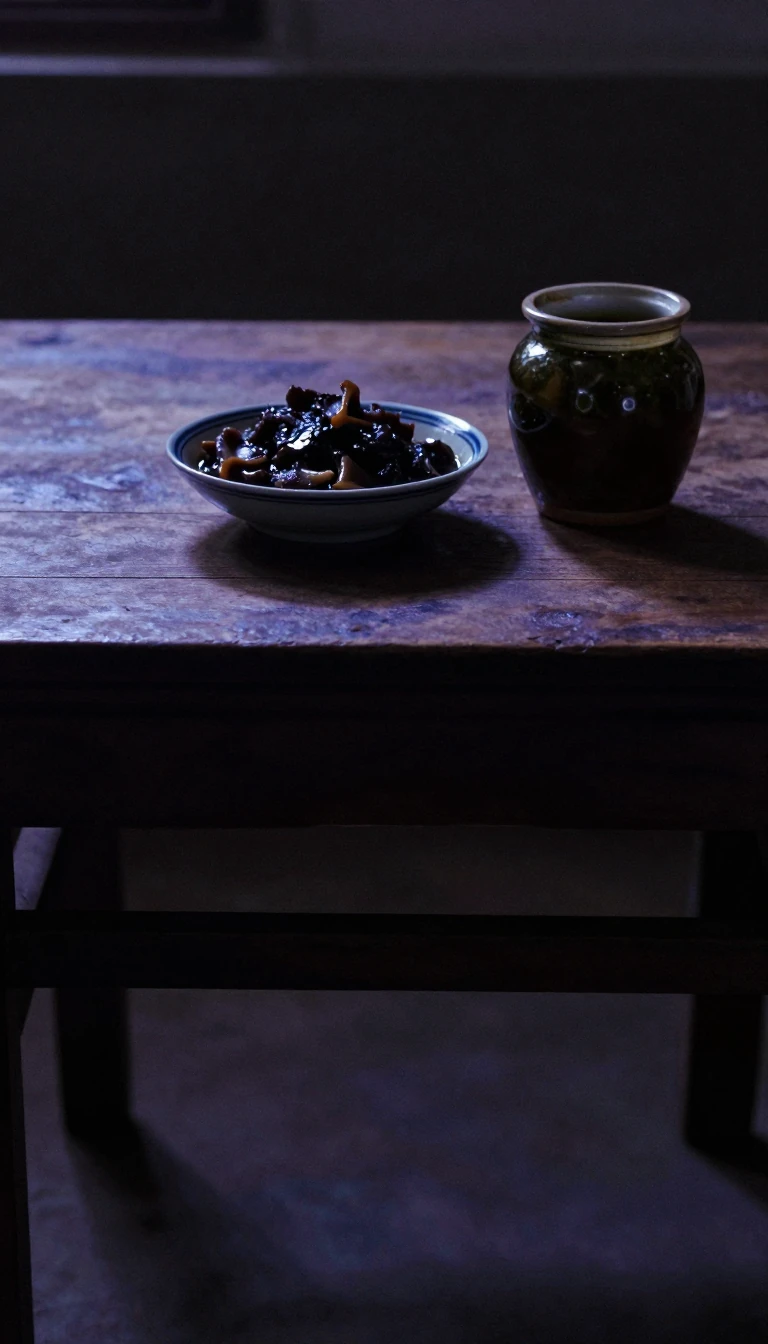
In short: Invented in 1860s Moscow by Lucien Olivier, this salad evolved from a gourmet dish of grouse and crayfish into a global staple. After a sous-chef stole the secret dressing recipe, the dish spread across borders, transforming into a diverse array of local variations found from Shanghai to South America.
Lucien Olivier, a chef of French and Belgian descent, created his eponymous salad at the Hermitage, one of Moscow's most prestigious restaurants, during the 1860s. The original, highly exclusive recipe featured luxury ingredients like hazel grouse, crayfish tails, capers, olives, and a proprietary dressing. It quickly became the restaurant's signature, prized by the city's gourmets.
The recipe's transformation began at the turn of the 20th century when Olivier's sous-chef, Ivan Ivanov, observed the dressing preparation in secret. Ivanov later moved to a rival restaurant, serving a similar dish he dubbed 'Stolichny' or 'metropolitan' salad. While critics initially deemed Ivanov's dressing inferior, his actions—and the subsequent publication of the recipe—helped democratize the dish. Following the Hermitage's closure in 1905 and the Olivier family's departure from Russia, the name 'Olivier' became the standard moniker for the evolving salad.
Post-revolutionary shifts forced a radical simplification of the dish. Rare, expensive ingredients were replaced by accessible staples: grouse gave way to chicken or sausage, and crayfish were swapped for hard-boiled eggs. Today, the version most common in post-Soviet states—typically boiled potatoes, carrots, peas, pickles, and meat bound in mayonnaise—is essentially a descendant of Ivanov's Stolichny recipe. It remains a mandatory fixture of New Year's Eve celebrations, valued for its reliance on winter-available ingredients.
Globally, the salad has undergone endless local adaptation. In Spain and Latin America, it is known as ensalada rusa, often reduced to potatoes, carrots, and mayonnaise. In the Czech Republic, it is a Christmas side-dish for schnitzel, while in Shanghai, it evolved into a local staple featuring regional sausage. Whether called 'hussar salad' in the Netherlands or 'potato salad' in Slovakia, the dish demonstrates a remarkable capacity to absorb local culinary identities while maintaining its core identity as a festive, communal meal.
Opens the Intellect+ feed with this card first. Swipe up for the next one.
Sources
- Summary by Intellect · source: Olivier salad
To cite this card, link to https://intellectplus.co.uk/app/technology-olivier-salad.
How we source, check and correct cards: Editorial standards.
General information, not professional advice. Spotted an error? Flag the card or see corrections and complaints.
Intellect Plus is a visual educational discovery platform for exploring fascinating facts and ideas. Brain Food, Not Brain Rot. What is Intellect Plus?
Related
More in Inventions · More in Technology · Latest · A–Z · All topics
