The block of wood that predicted the smartphone era
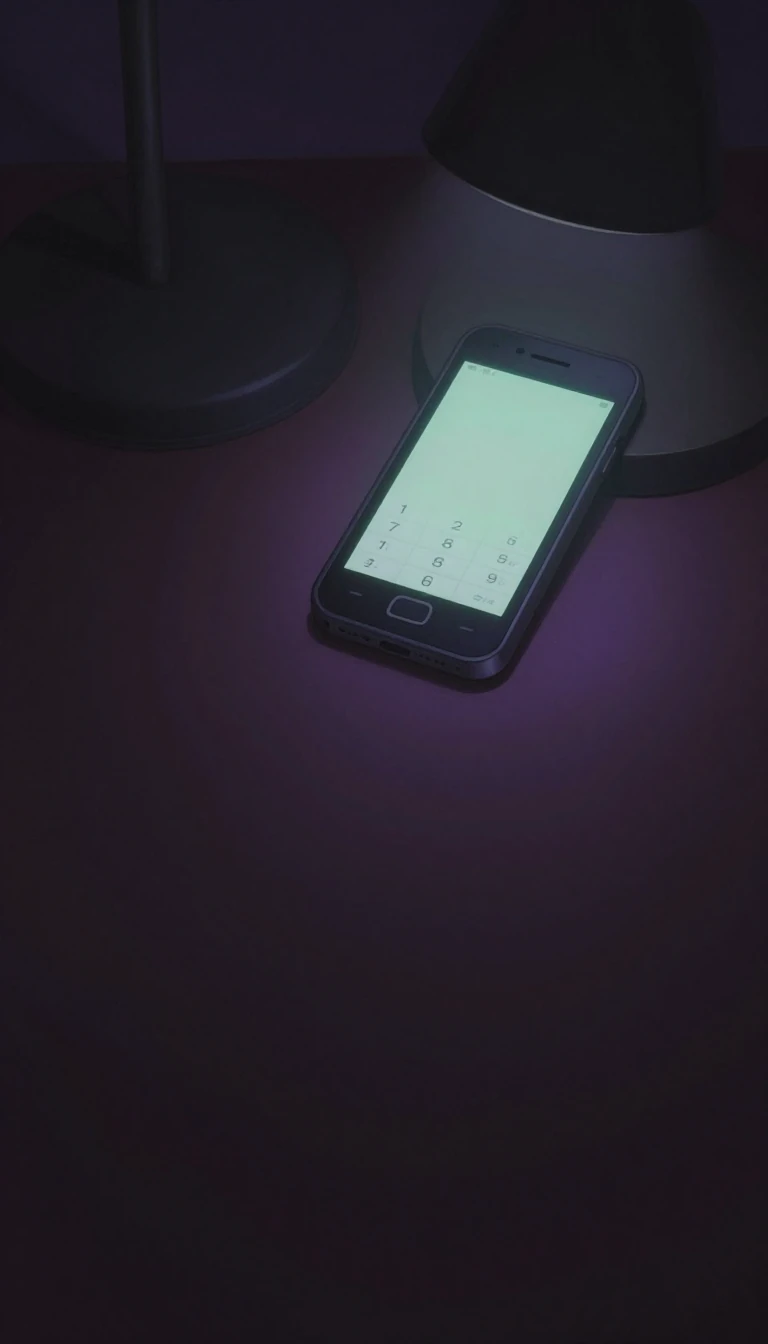
In short: Before the first PalmPilot hit shelves in 1996, its inventors carried a block of wood in their pockets for a week. This simple experiment helped them envision a handheld computer that would eventually dominate the market and pave the way for the modern smartphone experience.
Palm Computing, Inc. was founded in 1992 by Jeff Hawkins, Donna Dubinsky, and Ed Colligan. While their initial goal was creating handwriting recognition and personal information management software, their research led them to develop hardware. The first generation of personal digital assistants, the Pilot, launched in 1996. These devices were notable for their popularity in a market where previous attempts, such as Apple's Newton, had failed to gain traction.
The technology evolved rapidly through various iterations. Early models like the PalmPilot 1000 and 5000 lacked backlights and flash memory, featuring RAM sizes of 128 kB and 512 kB respectively. By the time the Palm III arrived, the devices included IR ports, backlights, and flash memory. A significant shift occurred in 2000 when the platform transitioned from the Motorola 68000 family to the ARM architecture, a move that leveraged existing investments in low-power mobile applications.
Palm's trajectory was marked by corporate restructuring and technological pivots. After being acquired by 3Com, the founders left to form Handspring in 1998. The company eventually split into palmOne (hardware) and PalmSource (software) in 2003. In the late 2000s, Palm attempted to compete with the iPhone and BlackBerry by developing webOS, a Linux-based system featuring a unique card-based user interface. However, HP abruptly discontinued webOS hardware in August 2011, leading to the brand's eventual transition to a new, Android-based "ultra-mobile" device in 2018.
The legacy of Palm remains a study in market dynamics. At its peak in 2000, Palm held a 74 percent market share. The company's history illustrates the move from dedicated PDAs to multifunction handhelds—integrating MP3 players, cameras, and Wi-Fi—before finally being eclipsed by the rise of Google's Android and the modern smartphone landscape.
Opens the Intellect+ feed with this card first. Swipe up for the next one.
Sources
- Summary by Intellect · source: Palm (PDA)
To cite this card, link to https://intellectplus.co.uk/app/technology-palm-pda.
How we source, check and correct cards: Editorial standards.
General information, not professional advice. Spotted an error? Flag the card or see corrections and complaints.
Intellect Plus is a visual educational discovery platform for exploring fascinating facts and ideas. Brain Food, Not Brain Rot. What is Intellect Plus?
Related
More in Smartphones · More in Technology · Latest · A–Z · All topics
