How a bird-hunting frustration revolutionized firearm technology and ended the era of misfires
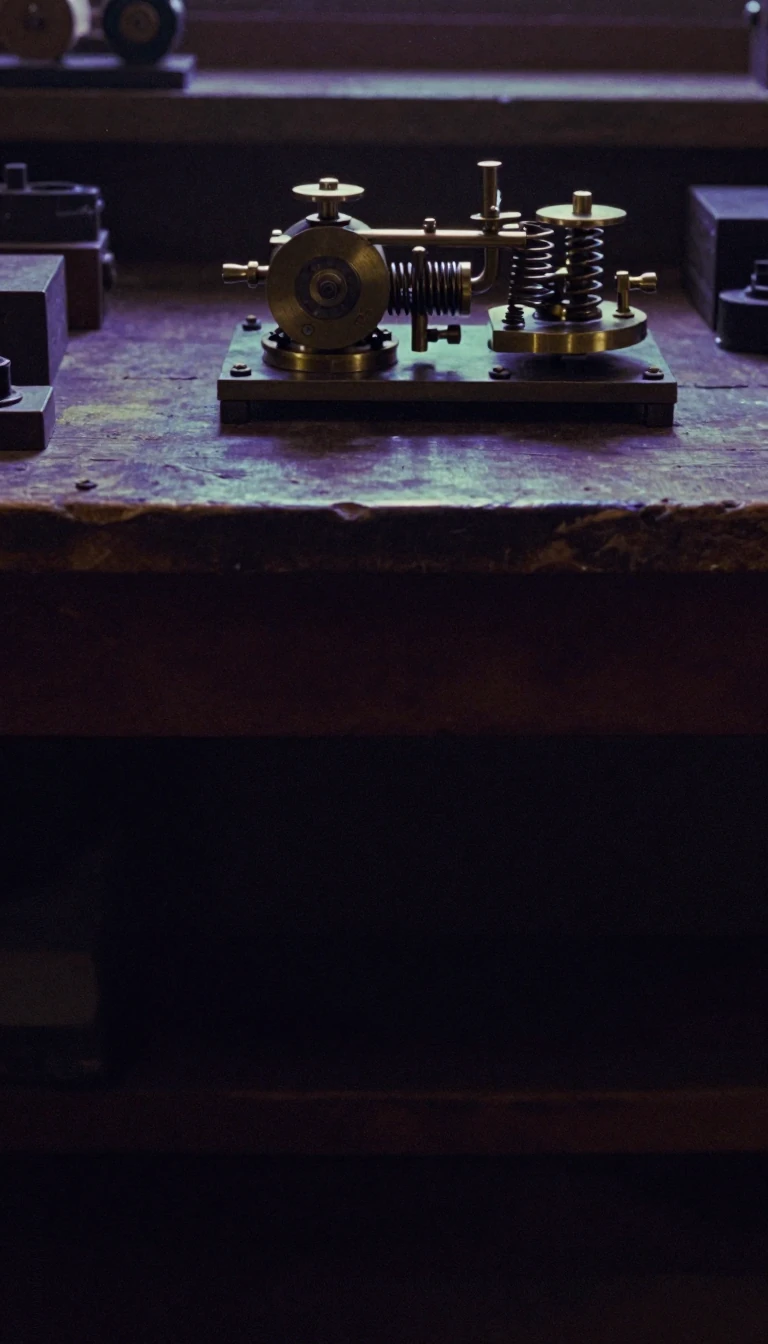
In short: Before the percussion cap, shooters relied on flintlocks that often failed in damp weather and gave birds a warning puff of smoke. The invention of a simple copper cup filled with shock-sensitive chemicals changed everything, creating a reliable ignition system that worked in any condition and transformed military history.
The transition from flintlock to percussion ignition was driven by the need for reliability. Flintlock mechanisms relied on a piece of flint striking steel to ignite a pan of priming powder, a process notoriously prone to failure in wet weather. The breakthrough came from the study of fulminates, specifically mercury fulminate, which detonates upon a sharp blow. While Alexander John Forsyth patented a fulminate-based ignition system in 1807 to stop birds from escaping his flintlock's initial puff of smoke, the conventional percussion cap—a small copper cup containing fulminate—did not emerge until later.
The origin of the percussion cap is shrouded in historical debate. Joshua Shaw, an English-born artist who moved to America in 1817, is frequently credited with the invention around 1815. However, Shaw’s claims remain controversial. He could not patent his design until 1822 due to Forsyth’s existing patents. Furthermore, historical evidence suggests earlier developments, including an 1817 attribution to Joseph Egg and French patents granted to François Prélat in 1818 and Deboubert in 1820. Despite these competing claims, the percussion cap became the standard by 1830, offering a compact, weather-resistant solution that was easily adapted to existing firearms.
The mechanism itself is elegant in its simplicity. A hollow nipple is attached to the breech of the barrel, and the percussion cap is placed over it. When the trigger is pulled, a hammer strikes the cap against the nipple, which acts as an anvil. The resulting detonation sends a spark through the nipple’s conduit directly into the main powder charge. This innovation was so effective that many older flintlock weapons were converted to the percussion system. By the 1860s, the technology had evolved further, with percussion caps being integrated into metal cartridge cases, paving the way for the modern center-fire and rimfire ammunition used in breech-loading rifles.
Opens the Intellect+ feed with this card first. Swipe up for the next one.
Sources
- Summary by Intellect · source: Percussion cap | firearm ignition device | Britannica
- Also: Percussion cap
To cite this card, link to https://intellectplus.co.uk/app/technology-percussion-cap.
How we source, check and correct cards: Editorial standards.
General information, not professional advice. Spotted an error? Flag the card or see corrections and complaints.
Intellect Plus is a visual educational discovery platform for exploring fascinating facts and ideas. Brain Food, Not Brain Rot. What is Intellect Plus?
Related
More in Military technology · More in Technology · Latest · A–Z · All topics
