Why the humble wooden stake remains a cornerstone of human defensive architecture
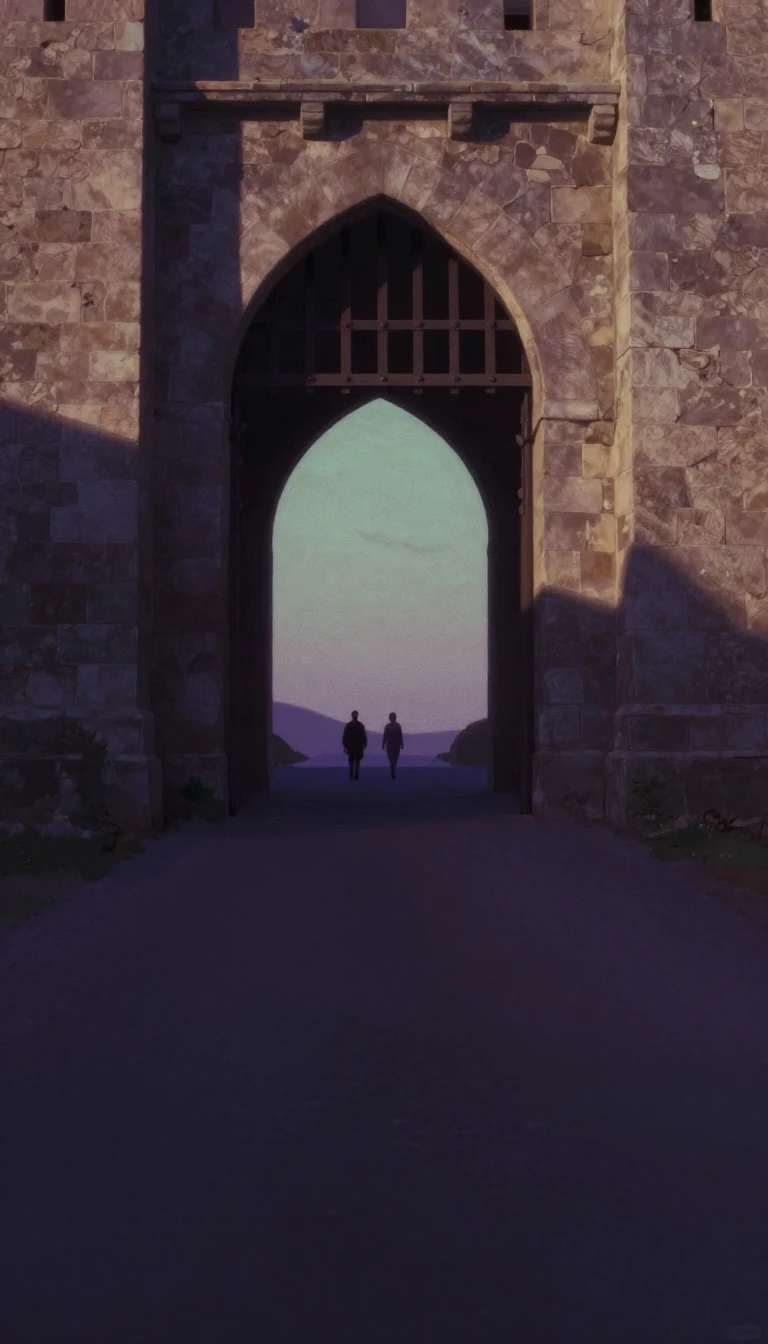
In short: From ancient Roman camps to the fortified villages of New Zealand, the palisade has served as a primary defensive barrier for millennia. Simple to construct from local timber, these vertical walls offered immediate protection, yet their evolution from battlefield fortifications to modern residential security reveals a persistent human ingenuity.
The term palisade traces its roots to the Latin 'pālus', meaning stake. At its most basic, a palisade consists of vertical tree trunks, sharpened at the top and driven into the ground. While simple, their effectiveness relied on density and placement. Roman military engineers famously outperformed their Greek counterparts by using smaller, more numerous stakes that were difficult for enemies to uproot or breach. This modular approach allowed for rapid deployment, making them ideal for temporary camps or as stopgap measures while permanent stone fortifications were under construction.
Beyond the battlefield, palisades defined the layout of entire societies. In North America, the Mississippian culture utilized massive stockades, such as the three-kilometre-long enclosure at Cahokia, to separate ceremonial precincts from residential areas. Similarly, Iroquoian peoples protected communal longhouses with these structures. In New Zealand, the Māori developed sophisticated 'pā'—fortified villages featuring multiple rows of palisades and ditches. These were so resilient that during the 1830s Musket Wars, attackers often resorted to fire, the primary weakness of any wooden fortification, to breach the defenses of sites like Kaiapoi Pā.
The utility of the palisade extended into colonial architecture and even modern urban planning. In 18th-century North America, the 'poteaux en terre' style used vertical logs as house walls, a technique later adapted in the Adirondacks to create more efficient, load-bearing structures than traditional horizontal log cabins. Today, the concept persists in the form of steel palisade fencing. In cities like Johannesburg, these are preferred over solid walls because they maintain visibility, preventing criminals from concealing themselves while attempting a breach. Whether protecting a medieval city or a modern home, the palisade remains a testament to the enduring power of vertical, defensive geometry.
Opens the Intellect+ feed with this card first. Swipe up for the next one.
Sources
- Summary by Intellect · source: Palisade
To cite this card, link to https://intellectplus.co.uk/app/technology-palisade.
How we source, check and correct cards: Editorial standards.
General information, not professional advice. Spotted an error? Flag the card or see corrections and complaints.
Intellect Plus is a visual educational discovery platform for exploring fascinating facts and ideas. Brain Food, Not Brain Rot. What is Intellect Plus?
Related
More in Military technology · More in Technology · Latest · A–Z · All topics
