From mechanical gears to GPS precision, the evolution of the modern farm planter
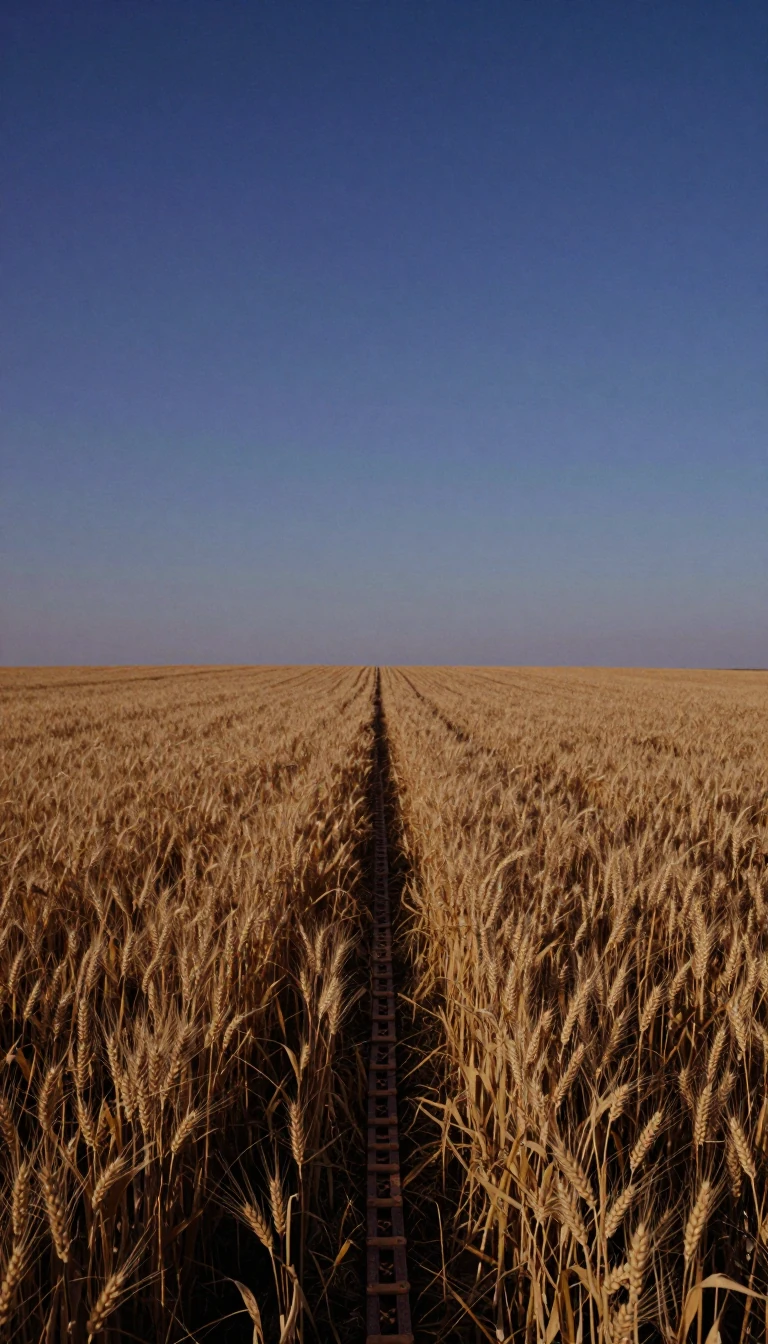
In short: Modern planters have transformed from simple mechanical tools into high-speed, computer-controlled systems. By replacing traditional ground-driven gears with electrical motors and satellite navigation, today's equipment allows farmers to plant seeds with centimeter-level accuracy while doubling their operational speed, fundamentally changing how we sow crops across vast agricultural landscapes.
At its core, a planter is a tractor-towed implement designed to sow seeds in precise, evenly spaced rows. While smaller, older models relied on physical markers—discs that scratched lines into the soil to guide the next pass—modern agriculture has shifted toward GPS-guided auto-steer systems. These advanced setups, such as the Case IH AFS, can achieve placement accuracy within 2 centimeters, automatically preventing seed overlap even in irregularly shaped fields.
The internal mechanics have undergone a similar revolution. Historically, planters used ground-driven tires and gear sets to meter out seeds; the operator had to manually change gears to adjust planting density. Today, hydraulic and electrical systems offer far greater flexibility. These modern units allow for infinite population adjustments on the go, following digital prescriptions tailored to specific field conditions. In 2014, the introduction of high-speed units like the John Deere ExactEmerge and Precision Planting’s vDrive marked a significant leap, enabling operators to double their planting speed from the traditional 4.5 to 5.5 mph range.
These high-speed systems solve a classic problem: seed bounce. Older planters dropped seeds through a tube, which often resulted in uneven spacing at higher speeds. Modern electrical motors now use belt or brush-belt mechanisms to 'dead-drop' seeds directly into the trench, offsetting the planter's forward momentum with rearward movement. While specialized tools like listers—once common on the Great Plains between the 1920s and 1950s—have largely faded due to the rise of no-till farming, the modular row-unit design remains the standard. Today, massive machines like the 48-row John Deere DB120 represent the pinnacle of this technology, utilizing central commodity systems to distribute seeds efficiently across vast fields.
The distinction between a planter and a seed drill remains a matter of established usage rather than just mechanics. Planters are typically reserved for larger seeds like maize, beans, and peas, while drills handle cereals. Regardless of the crop, the transition from mechanical, gear-limited systems to intelligent, computer-controlled hardware reflects a broader shift toward precision farming, where every seed is accounted for and placed with surgical intent.
Opens the Intellect+ feed with this card first. Swipe up for the next one.
Sources
- Summary by Intellect · source: Planter (farm implement)
To cite this card, link to https://intellectplus.co.uk/app/technology-planter-farm-implement.
How we source, check and correct cards: Editorial standards.
General information, not professional advice. Spotted an error? Flag the card or see corrections and complaints.
Intellect Plus is a visual educational discovery platform for exploring fascinating facts and ideas. Brain Food, Not Brain Rot. What is Intellect Plus?
Related
More in Machinery and tools · More in Technology · Latest · A–Z · All topics
