How a simple mechanical innovation increased crop yields by up to eight times
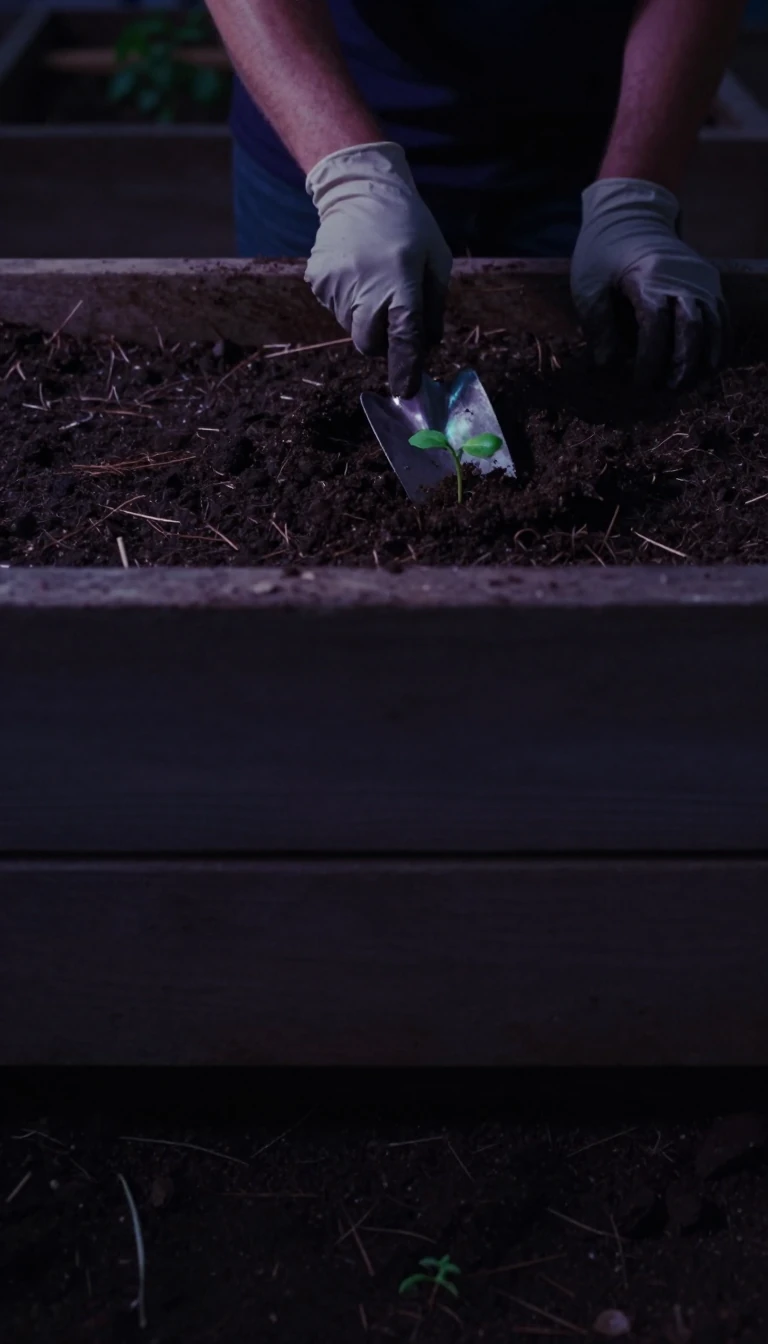
In short: Before the seed drill, farmers relied on manual broadcasting, a wasteful practice that left seeds vulnerable to birds and the elements. By precisely placing seeds at optimal depths and intervals, this ancient technology transformed agriculture, enabling efficient growth and significantly reducing the amount of seed required for a successful harvest.
The seed drill functions by metering seeds from a hopper through tubes, ensuring they are buried at a consistent depth and spaced evenly in rows. This mechanical precision solves the primary flaws of manual broadcasting, where seeds scattered by hand often landed too shallow, leaving them exposed to wind, frost, and hungry animals. By placing seeds within the soil, the drill protects them during germination and ensures they have access to necessary moisture and nutrients. Furthermore, planting in uniform rows allows for easier weed control, as farmers can use tools like hoes between the rows rather than relying on inefficient hand weeding.
The technology has deep historical roots, with primitive drills used in Sumer around 1400 BCE and multi-tube iron versions appearing in China by the 2nd century BCE. While European inventors like Camillo Torello in 1566 and Jethro Tull in 1701 refined the concept, widespread adoption in Europe was delayed until the mid-to-late 19th century, when industrial manufacturing allowed for the production of reliable, durable metal parts. Early models were often pulled by horses, but the advent of steam and gasoline tractors eventually enabled the creation of massive, wide-reaching machines capable of planting vast tracts of land in a single day.
Modern iterations have evolved to include direct drilling, which allows farmers to sow seeds directly into untilled fields. This method preserves soil structure, protects against erosion, and maintains moisture levels, representing a significant shift from traditional requirements of plowing and harrowing. Today, sophisticated drills use air streams to convey seeds through pipes to colters, with some machines reaching widths of 12 meters. By optimizing seed density and depth, these systems prevent the resource competition that occurs with over-seeding, ultimately maximizing the productivity of the land and ensuring a more stable food supply.
Opens the Intellect+ feed with this card first. Swipe up for the next one.
Sources
- Summary by Intellect · source: Seed drill
To cite this card, link to https://intellectplus.co.uk/app/technology-seed-drill.
How we source, check and correct cards: Editorial standards.
General information, not professional advice. Spotted an error? Flag the card or see corrections and complaints.
Intellect Plus is a visual educational discovery platform for exploring fascinating facts and ideas. Brain Food, Not Brain Rot. What is Intellect Plus?
Related
More in Machinery and tools · More in Technology · Latest · A–Z · All topics
