The humble polearm: how a simple wooden shaft conquered the medieval battlefield
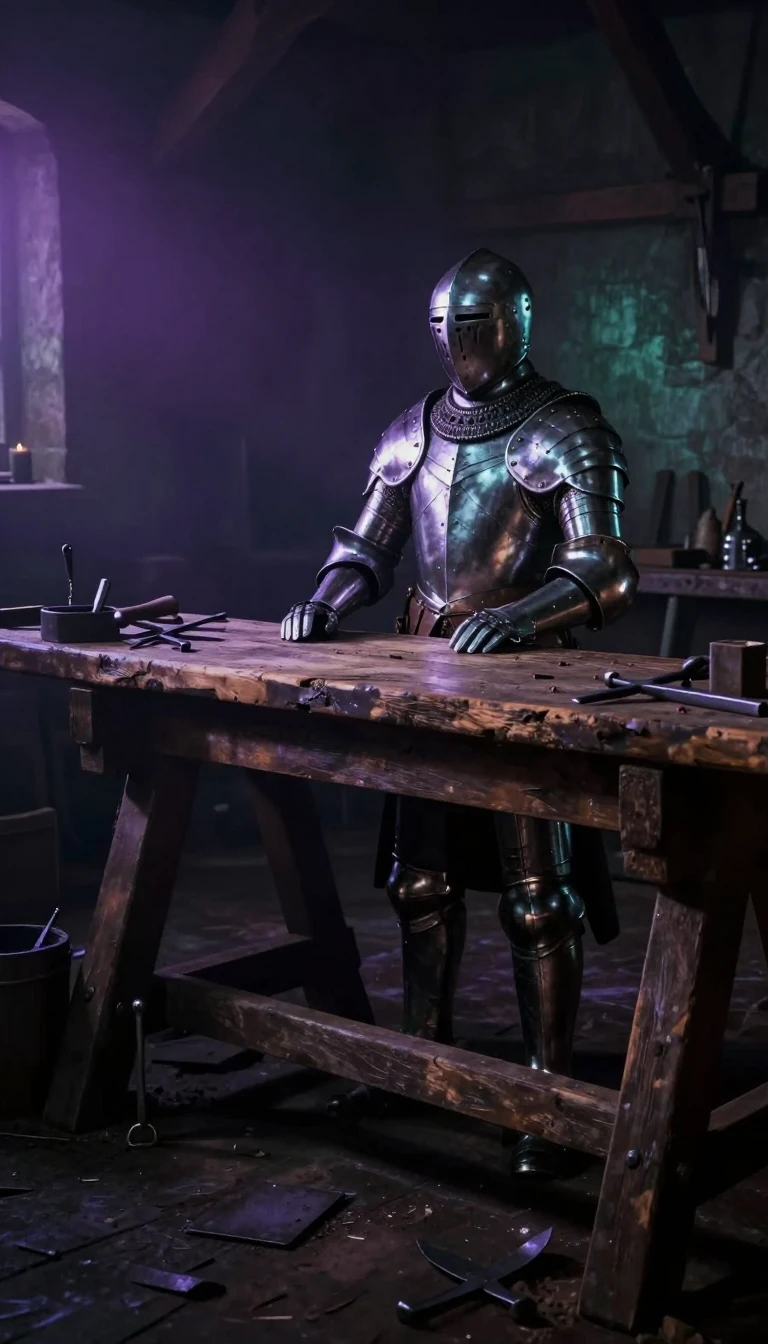
In short: By mounting blades, hooks, or spikes onto long wooden shafts, ancient and medieval soldiers created the ultimate equalizer. Cheap to produce and easy to master, these versatile weapons allowed peasant levies to unhorse armored knights, fundamentally shifting the balance of power in warfare across Asia and Europe for centuries.
At its core, a polearm is a fighting implement fitted to the end of a long shaft, typically wood. Because they were often adapted from agricultural tools like scythes, pitchforks, or axes, they were inexpensive to manufacture and widely available. This accessibility made them the preferred weapon for peasant rebellions and levies, who could leverage their lifelong familiarity with farm implements to become effective combatants with minimal additional training.
The tactical utility of the polearm was immense. They were categorized by their primary function: thrusting for phalanx or pike square formations, swinging for increased leverage against cavalry, or throwing for skirmishes. Many designs, such as the halberd, featured hooks specifically intended to grapple and pull riders from their horses. Others, like the poleaxe, were engineered with hammers and spikes to penetrate the heavy plate armor that dominated 15th-century battlefields. From the Japanese naginata and yari to the Chinese ji and the European guisarme, these weapons were essential to infantry success.
Despite their battlefield dominance, classifying polearms remains a historical headache. Contemporary writers often used names interchangeably, and modern scholars struggle with inconsistent terminology, mistranslations, and the inventiveness of later experts. For instance, the term 'halberd' has been used to describe everything from Chinese weapons to medieval Scandinavian tools. Even the famous guandao, often associated with the Han dynasty general Guan Yu, likely did not exist in its iconic curved-blade form until centuries later. Today, these weapons are largely relegated to ceremonial units like the Papal Swiss Guard, yet they remain a testament to the ingenuity of adapting simple tools into instruments of war.
Opens the Intellect+ feed with this card first. Swipe up for the next one.
Sources
- Summary by Intellect · source: Polearm
To cite this card, link to https://intellectplus.co.uk/app/technology-polearm.
How we source, check and correct cards: Editorial standards.
General information, not professional advice. Spotted an error? Flag the card or see corrections and complaints.
Intellect Plus is a visual educational discovery platform for exploring fascinating facts and ideas. Brain Food, Not Brain Rot. What is Intellect Plus?
Related
More in Military technology · More in Technology · Latest · A–Z · All topics
