Why ancient Pueblo architecture relied on ladders for security and social structure
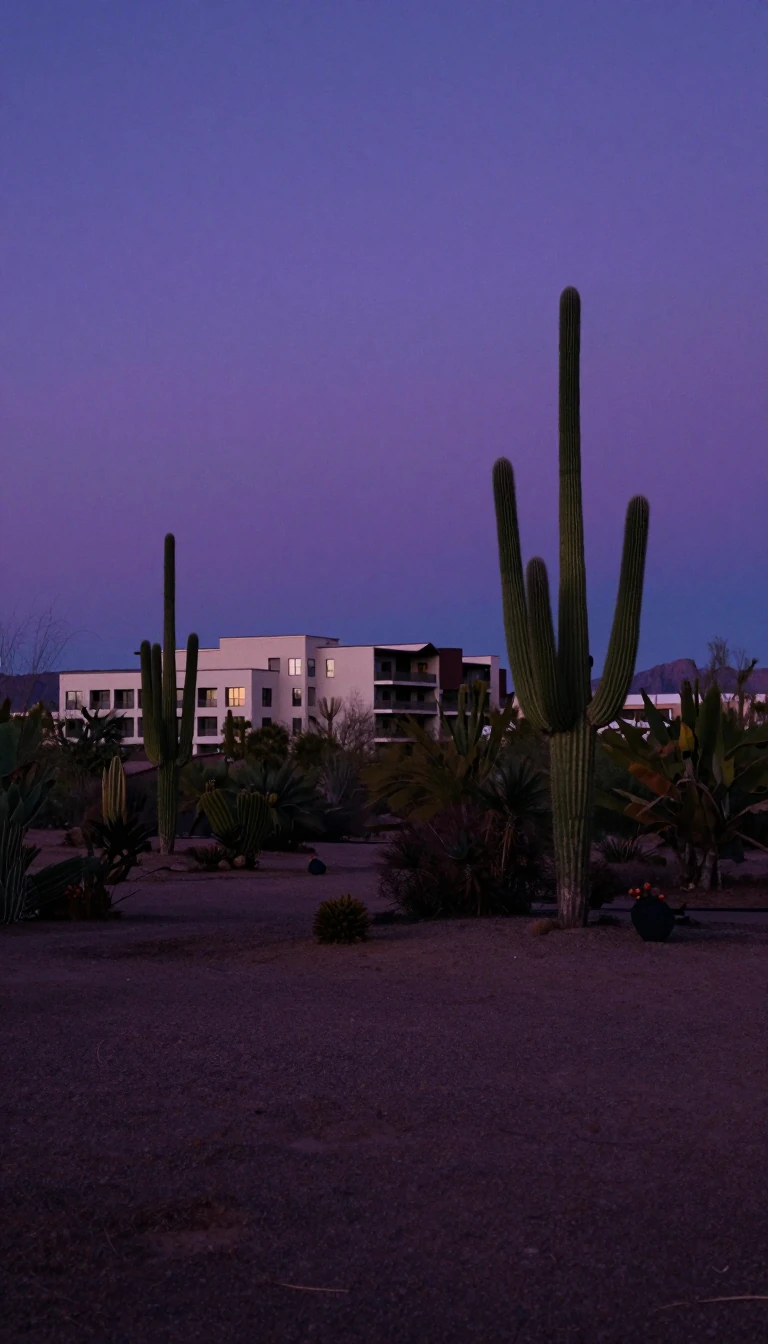
In short: The term pueblo describes both a people and their unique, multi-storied apartment structures. Built from adobe and stone, these dwellings were designed for defense, often requiring residents to use retractable ladders to access their rooms. This architectural ingenuity protected communities while fostering a distinct, enduring cultural identity across the American Southwest.
The word pueblo, derived from the Latin populus, was applied by Spanish explorers to identify permanent Indigenous towns in the Southwestern United States. These settlements were characterized by multi-storied buildings constructed from local materials like stone and adobe, typically arranged around an open plaza. A defining feature of this design was the use of ladders to reach upper rooms, a strategic choice that allowed inhabitants to secure their homes against unwanted visitors. This defensive architecture was complemented by the selection of naturally protected sites, such as high, steep mesas, which were favored by pre-Columbian communities like the Pueblo of Acoma.
Today, there are 21 federally recognized Pueblos in the region, each maintaining autonomy and a unique governmental structure. These communities are home to diverse groups, including those speaking Kiowa-Tanoan, Keresan, and Zuni languages. While the architecture has evolved, the tradition of adobe construction remains a dominant aesthetic in the Southwest. Many contemporary residents continue to live in these historic settings, while also maintaining modern homes elsewhere. The preservation of this heritage is supported by organizations like the Indian Pueblo Cultural Center in Albuquerque, which has served as an educational hub since 1976.
The cultural significance of the pueblo extends beyond its physical form. Many communities practice a syncretism between Indigenous religious traditions and Roman Catholicism, with seasonal ceremonial dances—such as the buffalo, corn, and harvest dances—remaining central to their social life. These villages are not merely relics of the past; they are living, evolving societies. Whether through the collective advocacy of the All Pueblo Council of Governors or the continued use of centuries-old buildings at sites like Taos Pueblo, these communities maintain a profound connection to their history while navigating the complexities of modern governance and regional identity.
It is important to distinguish these Indigenous settlements from other locations sharing the name, such as the city of Pueblo, Colorado. While the Indigenous pueblos represent a deep, continuous cultural lineage, the Colorado city emerged in the 19th century as a trading post and manufacturing center. Understanding the distinction between these two uses of the term is essential for appreciating the specific, long-standing history of the Pueblo peoples and their enduring architectural and social contributions to the American landscape.
Opens the Intellect+ feed with this card first. Swipe up for the next one.
Sources
- Summary by Intellect · source: Pueblo
- Also: www.britannica.com — Pueblo | Native American, Spanish Colonial, Steel City | Britannica
To cite this card, link to https://intellectplus.co.uk/app/technology-pueblo.
How we source, check and correct cards: Editorial standards.
General information, not professional advice. Spotted an error? Flag the card or see corrections and complaints.
Intellect Plus is a visual educational discovery platform for exploring fascinating facts and ideas. Brain Food, Not Brain Rot. What is Intellect Plus?
Related
More in Military technology · More in Technology · Latest · A–Z · All topics
