How Portugal’s calculated neutrality became a vital strategic asset for the Allied war effort
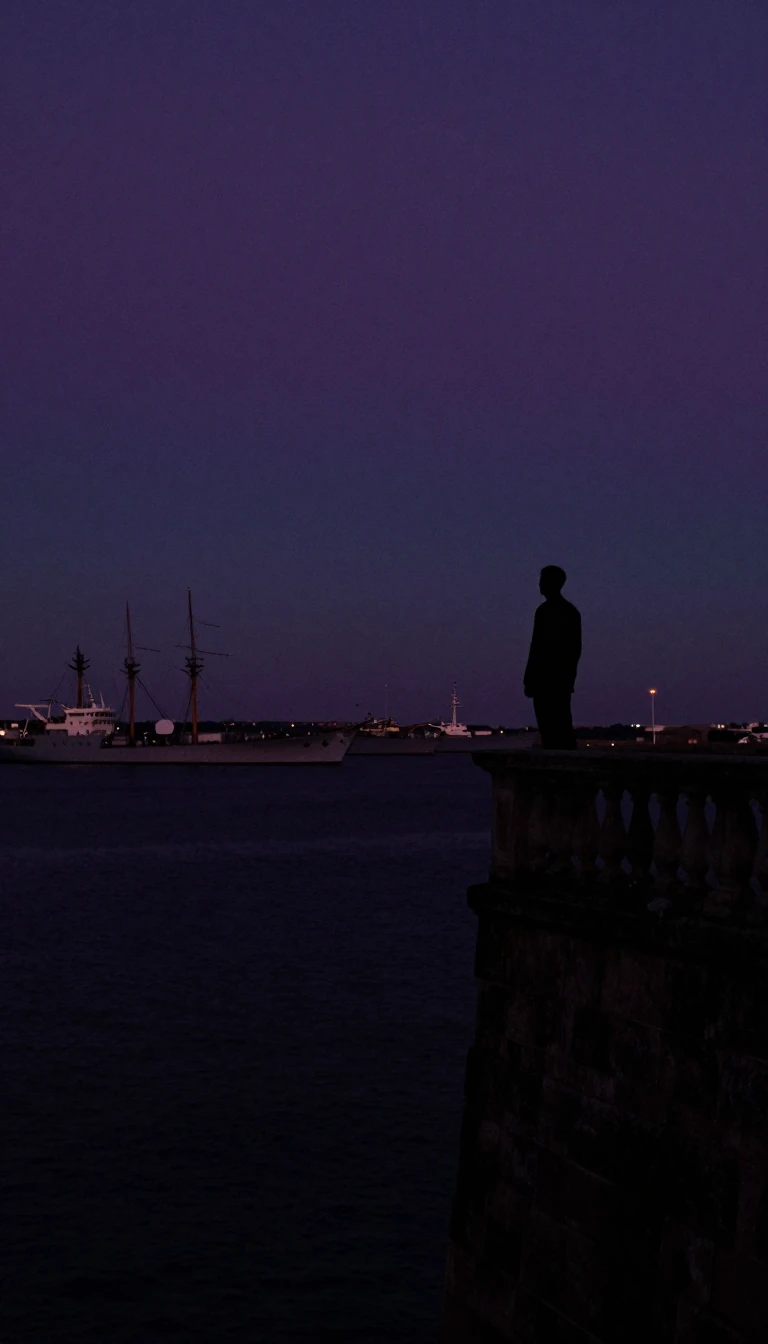
In short: While Europe fell to occupation, Portugal maintained a delicate neutrality under António de Oliveira Salazar. By balancing the Anglo-Portuguese Alliance with the threat of Axis aggression, Lisbon became a critical gateway for refugees and a strategic hub for Allied operations, ultimately shifting the tide of the Battle of the Atlantic.
At the outbreak of World War II in 1939, Portugal leveraged its 550-year-old Anglo-Portuguese Alliance to remain neutral. Salazar, who founded the authoritarian Estado Novo in 1933, navigated a precarious path between the Allies and the Axis. His primary goal was to prevent a German invasion through Spain, which would have likely dragged the Iberian Peninsula into the conflict and altered the war's course to the detriment of the Allies. By maintaining strict neutrality, Portugal effectively deterred Spain from joining the Axis, a diplomatic feat that British and American officials later acknowledged as essential to protecting North Africa and the Mediterranean.
The strategic value of Portugal became undeniable as the war progressed. In 1943, Portugal leased bases in the Azores to the British, providing crucial aerial coverage in the Mid-Atlantic gap. This allowed Allied forces to hunt U-boats and protect vital supply convoys. By 1944, Lajes Air Base in the Azores had become a major transit point, with over 1,900 American aircraft passing through. The base also supported anti-submarine warfare, including the use of blimps equipped with magnetic anomaly detection to monitor German U-boats near the Straits of Gibraltar. This military cooperation was so significant that it cut transatlantic flight times between Brazil and West Africa from 70 to 40 hours.
Beyond military logistics, Portugal served as a humanitarian lifeline. Estimates suggest between 100,000 and 1,000,000 refugees escaped through Lisbon, which became a symbol of hope. Salazar facilitated this by allowing organizations like the Hebrew Immigrant Aid Society to relocate to Lisbon and issuing passports to royal families fleeing Nazi persecution. Despite these efforts, Portugal faced immense pressure. It was forced to navigate German aggression, including the sinking of neutral ships like the Ganda and Cassequel, and Allied demands to embargo wolfram—a mineral vital for munitions. In June 1944, Portugal finally imposed a total embargo on wolfram, a decision that cost 100,000 laborers their jobs but solidified its non-belligerent status in favor of the Allies.
Opens the Intellect+ feed with this card first. Swipe up for the next one.
Sources
- Summary by Intellect · source: Portugal during World War II
- Also: Interactions Studies in Communication & Culture — Objectivity versus ‘toxic propaganda’: The case of transborder broadcasts to Portugal during World War II · other-oa
To cite this card, link to https://intellectplus.co.uk/app/technology-portugal-during-world-war-ii.
How we source, check and correct cards: Editorial standards.
General information, not professional advice. Spotted an error? Flag the card or see corrections and complaints.
Intellect Plus is a visual educational discovery platform for exploring fascinating facts and ideas. Brain Food, Not Brain Rot. What is Intellect Plus?
Related
More in Motorbikes · More in Technology · Latest · A–Z · All topics
