How a quiet Portuguese coastal town became the ultimate sanctuary for Europe's displaced royalty
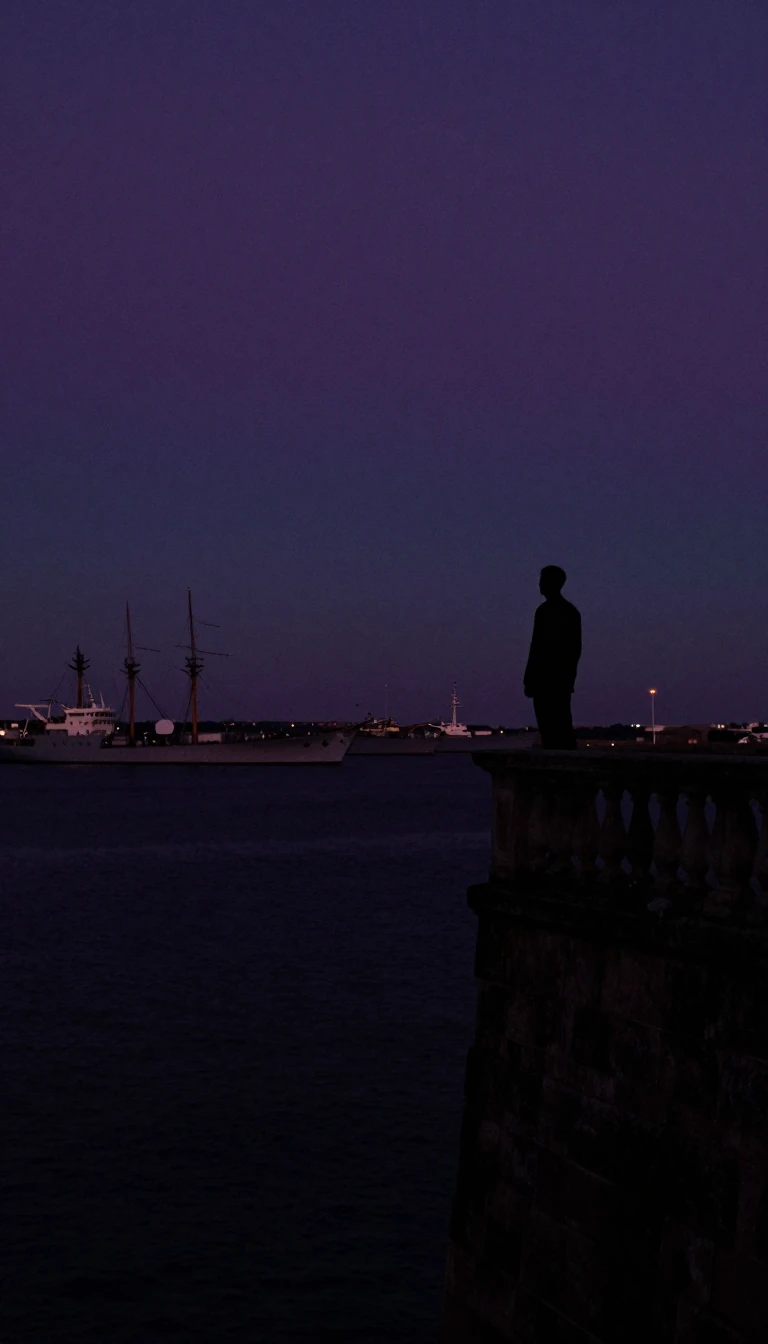
In short: Estoril is more than a luxury tourist destination on the Portuguese Riviera. During the Second World War, this strategic enclave transformed into a clandestine hub for spies and a refuge for exiled monarchs. From high-stakes diplomacy to the quiet lives of fallen kings, Estoril remains a unique intersection of history.
The history of Estoril stretches back to the first millennium, with early settlements established by Phoenicians, Romans, and Arabs who valued its strategic position in Western Europe. By 1147, the region fell under Christian control during the Reconquista. Over the centuries, the coastline became a defensive front, dotted with forts designed to repel pirates and privateers from France, England, and Spain. These fortifications stand today as enduring symbols of the battles fought to secure Portuguese independence.
During the Second World War, Estoril gained a reputation as a cosmopolitan center of diplomatic secrecy and espionage. The vision of Fausto Cardoso de Figueiredo and Augusto Carreira de Sousa helped elevate the town into an international destination. As the conflict raged, it became a sanctuary for the displaced elite. Notable figures who sought refuge in the area included Miklós Horthy, the regent of Hungary, and King Carol II of Romania. Umberto II of Italy and the Infante Juan, Count of Barcelona, also resided in the territory, while the Duke of Windsor, Edward VIII, stayed briefly when escape routes to London were severed by the Blitzkrieg.
The town’s political significance extended to the Portuguese leadership as well. The dictator António de Oliveira Salazar maintained a summer residence here and commissioned the E.N.6 motorway, or Avenida Marginal, to facilitate rapid, discreet travel between his home and Lisbon. Beyond its political past, Estoril has hosted notable cultural and sporting figures, including the 4th World Chess Champion Alexander Alekhine, who died there in 1946. Today, the town is recognized for the Casino Estoril, often cited as the largest in Europe, and its enduring status as one of the most expensive and livable places in the Iberian Peninsula.
The name Estoril itself remains a subject of linguistic debate. Some scholars suggest it derives from the Old Portuguese word for heather, 'estorga,' implying a place where the plant grows in abundance. Others point to 'astor,' the Old Portuguese term for the Northern goshawk, suggesting the area was once a habitat for these birds. Regardless of its etymology, the town has successfully transitioned from a collection of fishing settlements into a sophisticated enclave of luxury and history.
Opens the Intellect+ feed with this card first. Swipe up for the next one.
Sources
- Summary by Intellect · source: Estoril
To cite this card, link to https://intellectplus.co.uk/app/ideas-estoril.
How we source, check and correct cards: Editorial standards.
General information, not professional advice. Spotted an error? Flag the card or see corrections and complaints.
Intellect Plus is a visual educational discovery platform for exploring fascinating facts and ideas. Brain Food, Not Brain Rot. What is Intellect Plus?
Related
More in Philosophers, historians, political and social scientists · More in Ideas & Philosophy · Latest · A–Z · All topics
