The hidden engineering that keeps the modern world powered and connected
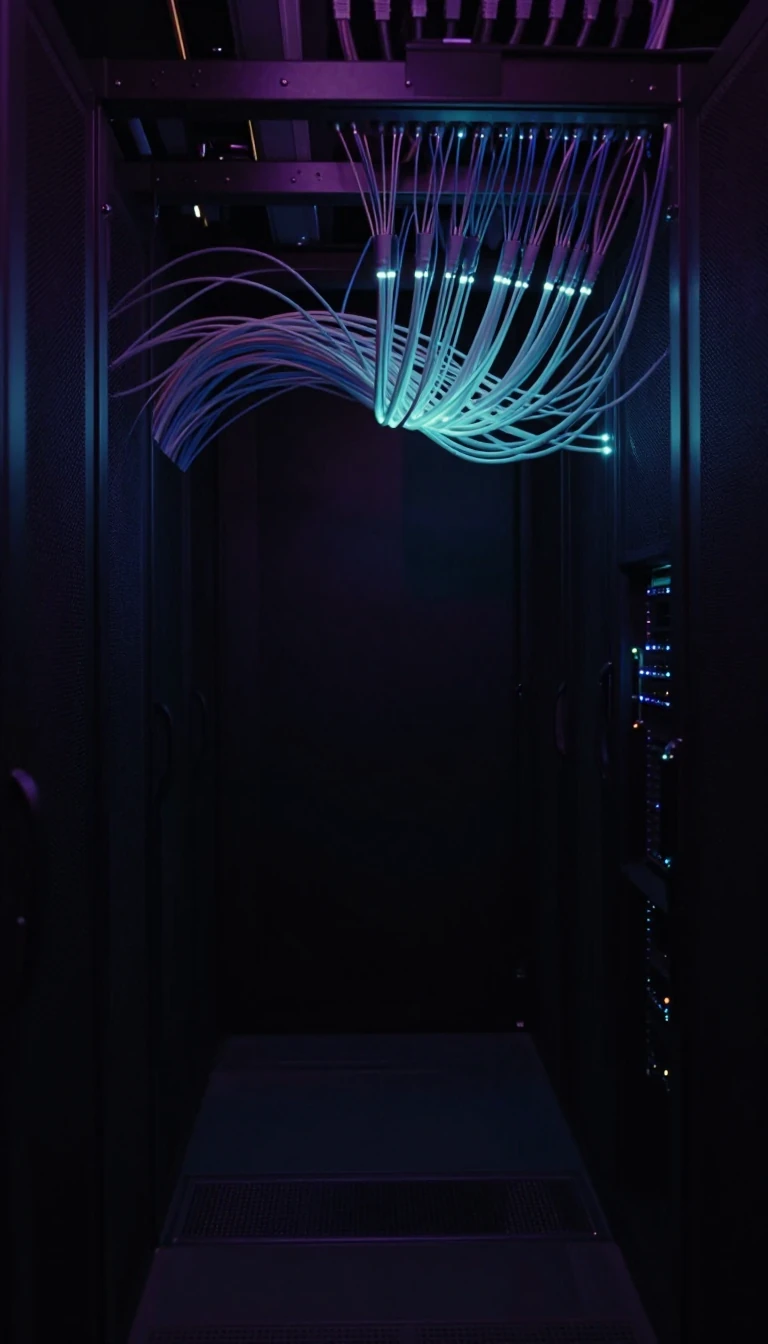
In short: Power cables are far more than simple wires. They are complex, multi-layered assemblies engineered to survive extreme environments, from deep underground to high-voltage transmission lines. Understanding how we insulate and shield these conductors reveals the precise science required to safely deliver electricity to our homes, industries, and critical infrastructure.
At its core, a power cable is an assembly of conductors, insulation, and a protective jacket. The design of these components is dictated by three primary factors: the working voltage, which determines insulation thickness; the current-carrying capacity, which dictates the cross-sectional size of the conductors; and the environmental conditions, such as temperature, chemical exposure, or mechanical impact, which define the composition of the outer sheath.
The evolution of cable technology reflects a century of material science. Early systems, like the 1882 distribution network developed by Thomas Edison, relied on copper rods wrapped in jute and encased in pipes. By the 1890s, paper-insulated cables became practical, and the 20th century introduced synthetic rubber and polyethylene. Today, modern high-voltage systems often utilize polymers like XLPE, while specialized applications—such as nuclear facilities or transit systems—require materials resistant to radiation or smoke production.
For high-voltage circuits operating at or above 2,000 volts, engineers must manage electrical stress. A technique patented by Martin Hochstadter in 1916 uses a semiconductive shield to equalize stress across the insulation. Additionally, metallic shields are often applied to pull stray voltage to zero, ensuring safety. While liquid-filled cables remain in use for their incredible longevity, they are increasingly being replaced by solid-insulated alternatives to avoid the maintenance burdens and environmental risks associated with oil leaks.
Flexibility is another critical design parameter, categorized by stranding classes. While fixed installations use rigid conductors, dynamic environments like robotics or mining require fine-stranded cables engineered for high motion. From simple building wiring to complex armored riser cables that support their own weight in skyscrapers, the humble power cable is a masterpiece of industrial adaptation.
Opens the Intellect+ feed with this card first. Swipe up for the next one.
Sources
- Summary by Intellect · source: Power cable
To cite this card, link to https://intellectplus.co.uk/app/technology-power-cable.
How we source, check and correct cards: Editorial standards.
General information, not professional advice. Spotted an error? Flag the card or see corrections and complaints.
Intellect Plus is a visual educational discovery platform for exploring fascinating facts and ideas. Brain Food, Not Brain Rot. What is Intellect Plus?
Related
More in Energy · More in Technology · Latest · A–Z · All topics
