 Intellect Plus
Energy
121 cards. Each one is a 40-second story with a five-minute read behind it.
 Energy is not a substance, but the capacity to do workWe often speak of energy as if it were a physical object, like coal or oil. In reality, energy is a property of systems. It is the fundamental ability to perform work, existing in…
 The invisible language of non-verbal energy and silenceDiscover how your internal state communicates more than your words ever could. This conversation explores the mechanics of non-verbal energy in human-animal dynamics and how maste…
 The most fundamental question in physics is actually the simplestWhat is energy? While it feels like a complex scientific concept, the answer is surprisingly broad. This video explores the foundational definition of energy that underpins our en…
 Your body uses a microscopic currency to power every single movementEvery time you blink, think, or move a muscle, your cells are conducting a high-speed chemical transaction. They don't just burn calories; they convert the complex bonds of your b…
 The hidden journey of electricity from source to socketMost of us flip a switch and take the power for granted. This video traces the complex path of electricity, following its transformation from raw fuel into the light in your home.
 Can purifying your consciousness align your life with its true purpose?This video explores energy work as a tool for personal development, focusing on how esoteric practices can transform the self from the inside out.
 The foundational mechanics of centering, grounding, and shifting energyThis guide introduces the core pillars of energy work for beginners. It explains how to establish a stable internal state before engaging in spiritual practice or spellwork.
 Energy is not a constant in every corner of physicsMost people learn that energy cannot be created or destroyed, but this rule has a major loophole. While it holds true for our daily lives, the extreme conditions of general relati…
 Why your wall socket is a complex, localized, and potentially dangerous engineering puzzleModern power sockets are far more than simple holes in the wall. They are the final, critical link in a global electrical infrastructure that has evolved over 140 years. From safe…
 The alkaline battery is a marvel of chemistry that powers our modern daily livesStandard alkaline batteries are ubiquitous, yet their internal mechanics remain a mystery to most. By utilizing a zinc and manganese dioxide reaction within a potassium hydroxide …
 Can a circuit breaker distinguish between a harmless vacuum cleaner and a house fire?Arc-fault circuit interrupters monitor home wiring for the specific electrical signatures of dangerous arcs. While these devices are designed to prevent fires by cutting power whe…
 Atomic batteries offer decades of power without ever needing a recharge or maintenanceUnlike chemical batteries, atomic batteries generate electricity through the decay of radioactive isotopes rather than electrochemical reactions. While they are costly and current…
 How modern power grids keep the lights on despite unpredictable energy demandsMaintaining a stable electrical grid requires a constant, split-second balancing act between power generation and consumption. As renewable energy sources introduce new volatility…
 Why your power plant might be more reliable than you thinkThe availability factor measures how often a power plant is ready to generate electricity when it is supposed to. It is a vital metric for reliability engineering, yet it is frequ…
 Why your plane's fuel is strictly separated from the gasoline in your carAviation fuel is not just refined petrol; it is a highly specialized cocktail of thousands of chemicals engineered for extreme performance and safety. From the specific nozzle sha…
- When the grid flows backward: understanding the hidden risks of electrical backfeedingElectricity typically flows from the utility to the consumer, but sometimes it reverses. This phenomenon, known as backfeeding, can be a deliberate way to share renewable energy o…
- Is the concept of baseload power actually an outdated relic of the twentieth century?For decades, grid operators relied on massive coal and nuclear plants to provide a constant, unvarying flow of electricity. Today, that rigid model is being challenged. As grids i…
 Beyond fossil fuels: how plants and animal waste power the modern industrial worldBiomass is renewable organic material derived from plants and animals, ranging from wood chips to sewage. Once the primary energy source for the United States, it now powers every…
 The blowtorch: from ancient mouth-blown lamps to modern propane-fueled precision toolsThe term blowtorch is frequently misused, often describing any metalworking torch. Originally, these were simple, hand-pumped liquid fuel devices. Today, they have evolved into se…
 Why the most powerful boilers in the world do not actually boil any waterA boiler is a vessel designed to heat fluid, but the most advanced versions operate at such extreme pressures that the physical act of boiling ceases to exist. These supercritical…
 Why the most powerful steam generators technically do not boil water at allA boiler is a device designed to turn water into steam, but in modern power plants, the most efficient systems operate at such extreme pressures that the process of boiling never …
 Why do humans across the globe have an ancient, enduring obsession with lighting massive fires?From the ritualistic burning of effigies to the celebration of solstices and historic victories, the bonfire is a global phenomenon. While often dismissed as simple waste disposal…
 Could breeder reactors turn nuclear energy into a virtually inexhaustible, renewable power source?Breeder reactors do what conventional nuclear plants cannot: they generate more fissile fuel than they consume. By transmuting fertile materials like uranium-238 into usable fuel,…
 Humanity has been mastering the art of the campfire for nearly two million years.Long before modern convenience, our ancestors were building controlled fires to cook prey and deter predators. From the ancient, low-heat embers of the Kalahari to the sophisticat…
- Why a power plant's nameplate capacity rarely tells the whole story of its outputA power plant's nameplate capacity is its theoretical maximum, but reality rarely hits that ceiling. The capacity factor, a simple ratio of actual energy produced to potential out…
 Ceiling fans do not cool the air, they cool you through clever physicsContrary to popular belief, ceiling fans are not air conditioners. They do not lower room temperature or humidity. Instead, they create a wind chill effect that accelerates sweat …
 Why burning fuel to only generate electricity is a massive waste of energyMost power plants discard the heat they produce as a byproduct, losing energy that could otherwise warm homes or drive industrial processes. Cogeneration, or combined heat and pow…
- Why modern power plants use two engines to squeeze more energy from one fuelCombined-cycle power plants dramatically boost efficiency by reusing the scorching exhaust from a gas turbine to power a second steam engine. By capturing heat that would otherwis…
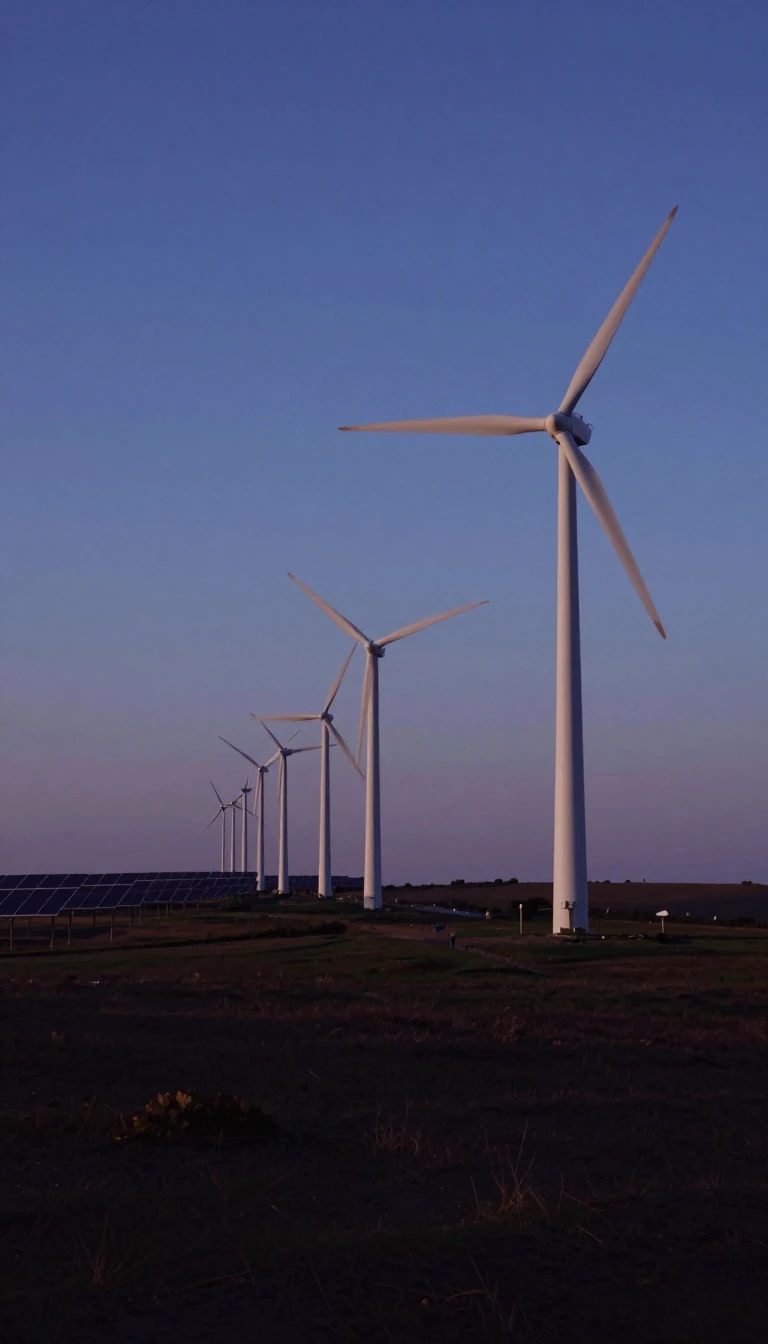 Unlike standard solar panels, concentrated solar power acts like a traditional thermal power station.While solar photovoltaics dominate the market, concentrated solar power offers a unique advantage: it functions as a thermal plant. By using mirrors to focus sunlight into intense…
- The massive machine keeping Europe powered: inside the world's second-largest synchronous electrical gridSpanning 32 countries and serving over 400 million people, the Continental Europe Synchronous Area is a marvel of engineering. It operates as a single, phase-locked 50 Hz system, …
- Why your home electrical system is rarely rated for every appliance running at onceYou might assume your home electrical system is built to handle every light, heater, and appliance running simultaneously. In reality, engineers use a metric called the demand fac…
 Why your power grid is shifting from adjusting supply to managing your demandFor decades, power grids balanced supply and demand by throttling power plants. Today, as renewable energy grows, that model is failing. Demand response flips the script: instead …
- Why the future of electricity is moving from massive power plants to your backyardFor a century, we relied on distant, massive power plants to push electricity across vast networks. Today, that model is shifting. By generating power at or near the point of use,…
 The distribution board is the silent, essential gatekeeper of your home's electrical safety.Hidden in closets or garages, the distribution board divides incoming power into smaller, manageable circuits. Whether using simple fuses or sophisticated modern breakers, these p…
 How grid frequency acts as a silent signal to balance power across entire nationsElectrical grids are massive, complex machines that must balance supply and demand instantly. Droop speed control is the elegant, decentralized mechanism that allows generators to…
 Your refrigerator could help stabilize the national power grid without you noticing a thing.Electrical grids rely on a delicate balance between supply and demand. When they drift, utilities burn expensive fossil fuels to compensate. Dynamic demand technology turns everyd…
 Why your home's safety switch might be a relic of a forgotten electrical eraThe term earth-leakage circuit breaker is often used today to describe two very different technologies. While modern residual current devices protect you from shocks by monitoring…
- Why your wall outlet's perfect sine wave is actually a fragile, messy illusionWe expect a steady flow of electricity, but the power grid is a chaotic environment. From lightning strikes to heavy industrial loads, the voltage delivered to your devices is con…
 The invisible network powering your life: how electricity travels from source to switchAn electric power system is a complex, synchronized network designed to generate, transmit, and distribute energy. From the massive turbines of a power station to the delicate cir…
- Why your power grid is designed to survive thousands of invisible electrical faultsAn electrical fault is any abnormality in current, from a simple short circuit to a dangerous ground leak. While these disruptions can cause catastrophic damage, modern power syst…
 Why electricity markets are fundamentally different from every other commodity market on EarthElectricity cannot be stored, yet supply must perfectly match demand every second to prevent grid collapse. Unlike airline tickets or hotel rooms, which share similar storage cons…
 Electrification is more than just switching to power; it is a strategic economic shift.Electrification is the process of converting devices and sectors from non-electric energy sources to electricity. Far from being a singular goal, it is a versatile tool for decarb…
- Why your electricity grid is built for a peak that rarely actually happensEnergy grids are designed to handle the absolute maximum demand, leaving expensive infrastructure idle most of the time. Demand-side management aims to fix this by shifting consum…
- Is the global transition to renewable energy actually keeping pace with our massive demand?Energy development powers everything from manufacturing to our daily digital lives. While fossil fuels still dominate 86% of the world's energy needs, the shift toward renewables …
- Why fossil fuels are less efficient than we thought and renewables are winningConventional wisdom suggests renewables offer lower energy returns than fossil fuels. New research reveals this is a measurement error. By shifting the focus from raw extraction t…
- To balance a green grid, we must master the art of storing time itself.Renewable energy is fickle; the wind dies and the sun sets just as demand peaks. To bridge this gap, we are turning to ingenious storage methods that capture excess power. From ma…
- Evaporative cooling uses the physics of water to chill air with minimal energy.By turning liquid water into vapor, evaporative coolers absorb heat from the air, offering a low-energy alternative to traditional refrigeration. From ancient windcatchers to mode…
 Firewood is a sophisticated energy technology requiring precise management of moisture, volume, and storage.Far from a primitive relic, firewood remains a complex energy source. From the physics of seasoning to the cultural obsession with wood-burning, managing this renewable resource i…
 Fluorescent lamps use mercury vapor and phosphor to create light more efficiently than incandescents.While incandescent bulbs rely on heating a wire filament, fluorescent lamps operate through electric discharge. By passing current through a mixture of argon and mercury vapor, th…
- How burning fossil fuels converts ancient chemical energy into the modern world's electricityFossil fuel power stations are complex heat engines that transform chemical energy into electricity by burning coal, oil, or gas. While they provide the majority of the world's po…
- Why gas-fired power plants are the essential, controversial backbone of modern electricity gridsGas-fired power plants generate nearly a quarter of the world's electricity. While they are significant sources of greenhouse gas emissions, they remain critical for balancing the…
- The invisible rules keeping your lights on: understanding the essential power grid codeEver wonder how the power grid stays stable despite millions of devices plugging in and out? The answer lies in the grid code, a set of technical mandates that every generator and…
- Grid energy storage acts as a massive savings account for our electrical power supply.Renewable energy sources like wind and solar are inherently variable, often producing power when we least need it. To modernize the grid, researchers are developing large-scale st…
- How heat exchangers turn simple fluid flow into the backbone of modern industryFrom the radiator in your car to the massive cooling systems in power stations, heat exchangers are the silent workhorses of our thermal world. By manipulating fluid flow and surf…
- Why your home battery might be the key to a more efficient power gridHome energy storage is evolving from a simple backup power source into a sophisticated tool for grid management. By storing solar energy or off-peak electricity, these systems all…
 The hydrogen economy promises a green future, but the reality is far more complex.Hydrogen is hailed as the ultimate solution for decarbonizing heavy industry and storing renewable energy. Yet, scaling production to meet global climate goals creates massive env…
- You can turn a standard induction motor into a generator without any internal modifications.An induction generator is a surprisingly simple machine. By driving a common AC induction motor faster than its synchronous speed, you force it to output electricity rather than c…
- How massive power cables are stitching together the world's fragmented electrical gridsImagine a global energy market where electricity flows as easily as data across the internet. Interconnectors, the high-voltage bridges linking separate power grids, are making th…
 Before pumpkins became Halloween icons, people carved grotesque faces into hollowed-out turnips and mangelwurzels.The jack-o'-lantern was not always a pumpkin. Originally, the term described flickering lights over peat bogs, known as will-o'-the-wisps. By the 19th century, Irish and British t…
 From ancient firefly containers to modern LEDs, the lantern has illuminated human history.For centuries, the lantern was our primary defense against the dark, shielding fragile flames from wind and rain. Beyond simple utility, these portable light sources have shaped u…