Process design is the intellectual summit where chemical engineering transforms raw materials into reality.
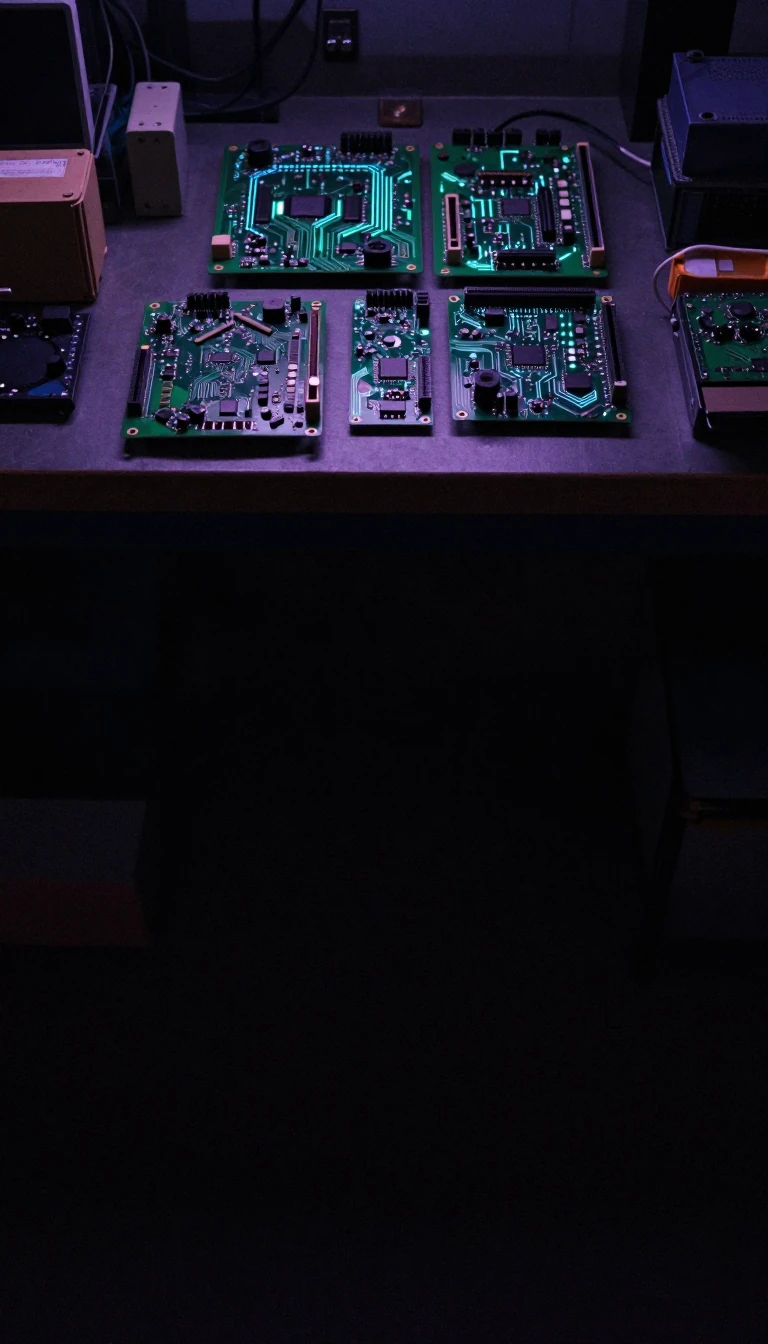
In short: Process design is the art of choosing and sequencing industrial units to transform materials. It bridges the gap between conceptual ideas and physical construction, ensuring that complex systems function safely and efficiently. Far more than mere equipment selection, it is the orchestration of chemical and physical change at scale.
At its core, process design is the comprehensive planning of how a facility will operate, whether building from scratch or modifying existing infrastructure. It begins with defining clear objectives and identifying constraints, such as capital costs, available space, safety risks, and environmental impact. Engineers must navigate these variables while accounting for the inherent variability of feedstocks and the required specifications of the final product. This process is not a solitary endeavor; it requires the synthesis of technology and the strategic combination of industrial units to achieve specific goals.
The workflow relies on a hierarchy of documentation that grows in complexity as the project matures. It starts with simple block flow diagrams to outline major energy and material movements, eventually progressing to detailed piping and instrumentation diagrams that specify every valve, pipe diameter, and control scheme. Throughout this evolution, engineers utilize simulation software to test alternatives and identify potential weaknesses. However, software is only one tool in the kit; the final design remains deeply rooted in human intuition, experience, and creative problem-solving.
Communication is a vital component of the discipline. Process design documents serve as the primary language between engineers, regulatory agencies, equipment vendors, and construction contractors. Even after a facility is built, these documents remain essential for operating personnel, guiding everything from start-up procedures to accident mitigation and future modifications. By synthesizing scientific data, pilot plant results, and proprietary criteria, process designers ensure that the final installation is not just a collection of parts, but a cohesive, functional system designed for long-term reliability and performance.
Opens the Intellect+ feed with this card first. Swipe up for the next one.
Sources
- Summary by Intellect · source: Process design
To cite this card, link to https://intellectplus.co.uk/app/technology-process-design.
How we source, check and correct cards: Editorial standards.
General information, not professional advice. Spotted an error? Flag the card or see corrections and complaints.
Intellect Plus is a visual educational discovery platform for exploring fascinating facts and ideas. Brain Food, Not Brain Rot. What is Intellect Plus?
Related
More in Chemical engineering · More in Technology · Latest · A–Z · All topics
