How chemical engineering transformed from a modest craft into a global industrial powerhouse
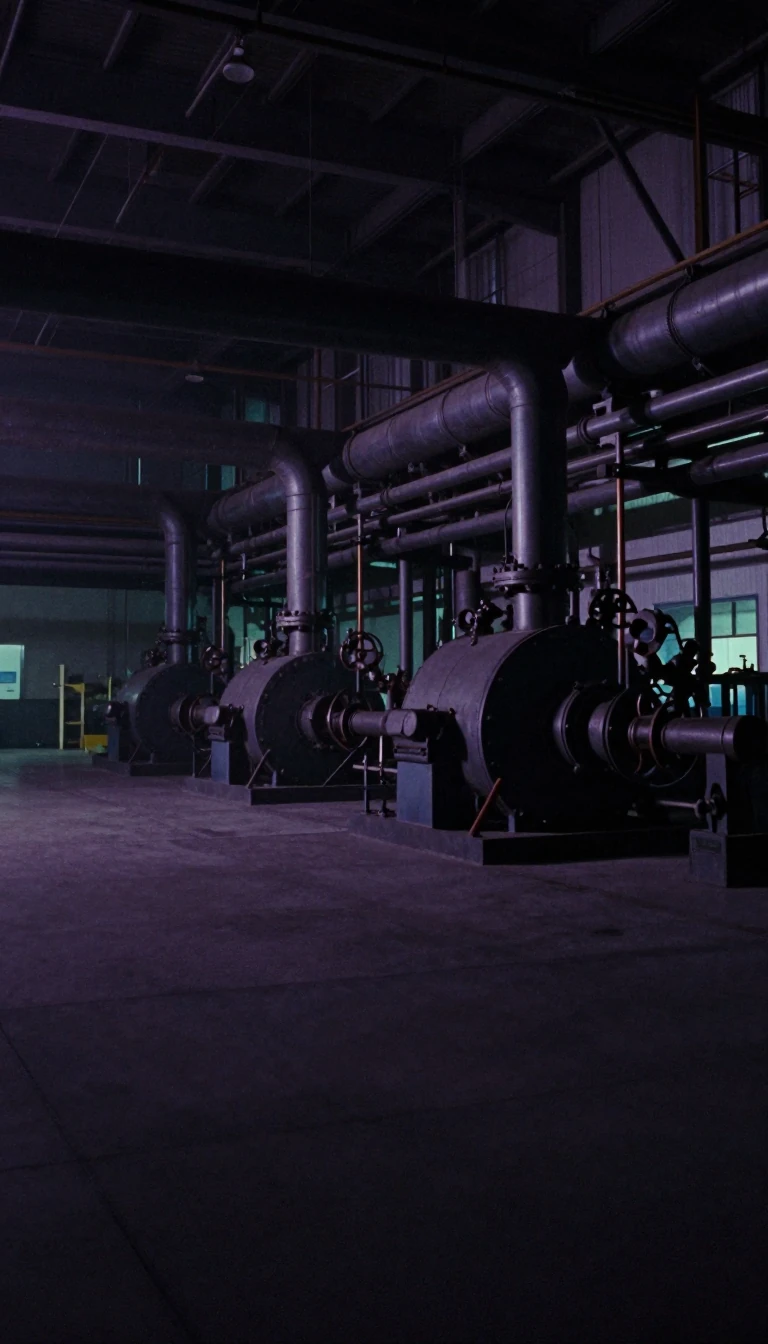
In short: Chemical engineering began as a response to the inefficiencies of 19th-century craft manufacturing. By shifting from batch processing to continuous operations, engineers unlocked the ability to produce chemicals at an unprecedented scale. Today, this discipline underpins everything from modern pharmaceuticals and fuel production to space exploration and synthetic fibers.
The roots of chemical engineering stretch back to ancient fermentation and evaporation, but the discipline as we recognize it emerged in the late 19th century. As industrial demand for bulk chemicals like soda ash surged, the limitations of small-scale, labor-intensive batch processing became clear. Manufacturers needed greater efficiency and larger operations, prompting a transition from craft-based production to a science-driven industry. This shift created a new professional demand for experts who could design and manage complex manufacturing plants.
A pivotal moment arrived in 1901 when British consultant George E. Davis published the first textbook on the subject, focusing on the design of plant equipment. This laid the groundwork for the concept of unit operations, formally introduced by Arthur D. Little in 1915. By identifying that diverse manufacturing processes—such as mixing, filtration, and evaporation—shared fundamental physical principles, engineers could standardize their approach regardless of the specific product being created. This classification dominated the field for decades, providing a rational framework for plant design.
Following World War II, the discipline evolved further by focusing on the underlying phenomena of mass transfer, heat transfer, and fluid flow. This shift moved the field away from a reliance on specific product-based knowledge toward a more unified engineering science. The subsequent integration of digital computers allowed for rapid, accurate optimization of industrial systems. Today, chemical engineers operate far beyond traditional chemical plants, applying these core principles to fields as varied as nuclear fuel reprocessing, food production, and the manufacturing of advanced polymers for space travel.
Opens the Intellect+ feed with this card first. Swipe up for the next one.
Sources
- Summary by Intellect · source: Chemical engineering | Processes, Principles & Applications | Britannica
- Also: History of chemical engineering
To cite this card, link to https://intellectplus.co.uk/app/history-history-of-chemical-engineering.
How we source, check and correct cards: Editorial standards.
General information, not professional advice. Spotted an error? Flag the card or see corrections and complaints.
Intellect Plus is a visual educational discovery platform for exploring fascinating facts and ideas. Brain Food, Not Brain Rot. What is Intellect Plus?
Related
More in History by topic · More in History · Latest · A–Z · All topics
