Beyond the safety pins: How punk became a global engine for DIY culture
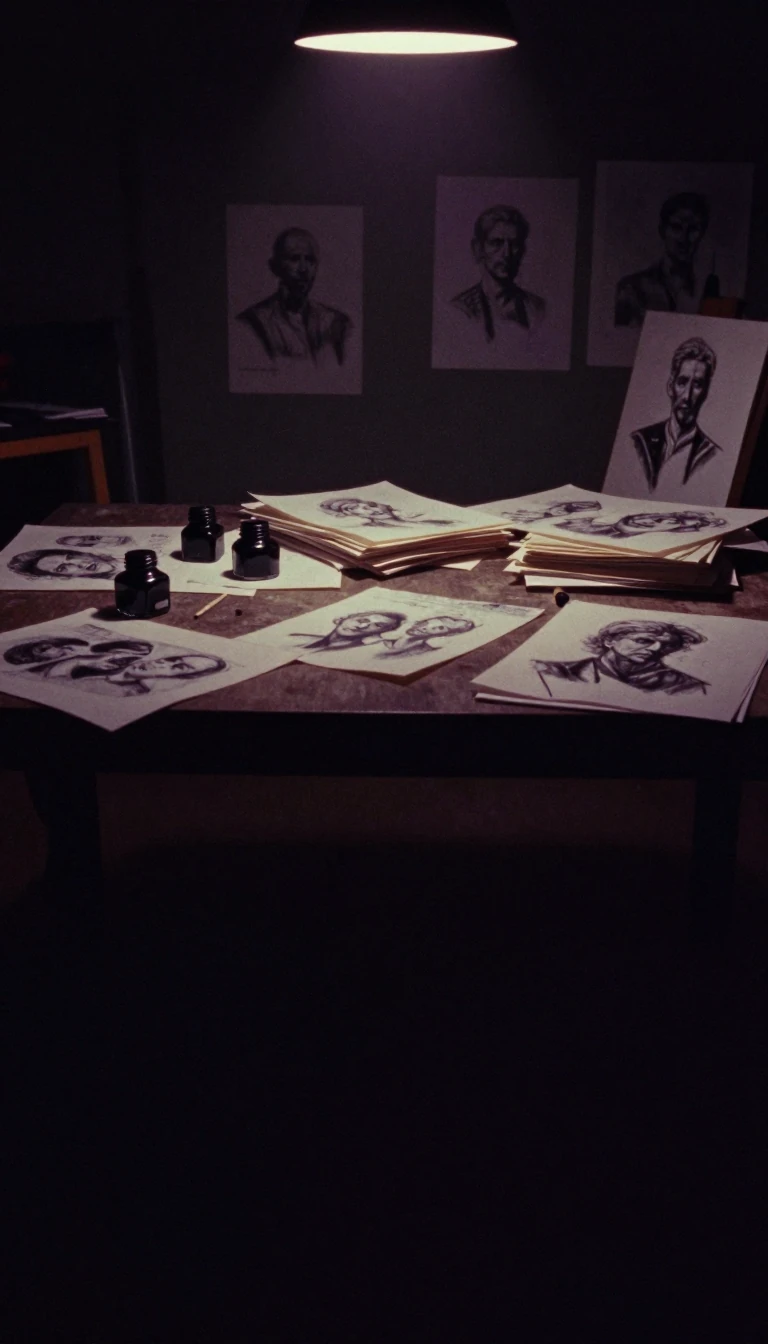
In short: Emerging in the mid-1970s, punk was more than just loud music and spiked hair. It was a radical, anti-establishment movement built on non-conformity and a do-it-yourself ethic. From underground zines to gender-bending fashion, punk challenged societal norms and created a lasting blueprint for independent creative expression across the globe.
Punk emerged as a distinct subculture in New York in 1974 and the United Kingdom in 1976. Often described as a 'bricolage' of post-World War II youth cultures, the movement was defined by its anti-authoritarian stance and a rejection of the commercial music industry. While early British punks adopted nihilistic slogans like 'No Future,' the American scene often leaned into self-destructive substance use. Despite these differences, the movement was united by a DIY ethic, where participants bypassed mainstream gatekeepers to produce their own music, zines, and art.
The aesthetic of punk was famously provocative, utilizing everyday objects like safety pins, razor blades, and bin liners to challenge traditionalist ideals. This visual language was not merely decorative; it was a political statement. By repurposing the mundane, punks sought to shock society and force outsiders to confront their own biases. This ethos extended to gender, where the subculture provided a space for androgyny and the dismantling of traditional gender dichotomies. Figures like Vivienne Westwood helped define this look, while the 2013 Metropolitan Museum of Art exhibit 'PUNK: Chaos to Couture' later codified these techniques of distress and re-purposing.
The movement's reliance on zines—handmade, independent publications—served as the primary social network of the pre-Internet era. These zines, such as 'Maximum RocknRoll' and 'Sniffin Glue,' allowed fans to share news, reviews, and political critiques. This spirit of independent production fostered offshoots like the feminist 'riot grrrl' movement and the LGBT-focused 'queercore,' both of which utilized the DIY framework to resist heteronormativity and sexism. Even as the music evolved into subgenres like hardcore, pop-punk, and grunge, the foundational punk commitment to individual liberty and direct action remained a persistent, if sometimes contested, influence on underground culture worldwide.
Opens the Intellect+ feed with this card first. Swipe up for the next one.
Sources
- Summary by Intellect · source: Punk subculture
To cite this card, link to https://intellectplus.co.uk/app/technology-punk-subculture.
How we source, check and correct cards: Editorial standards.
General information, not professional advice. Spotted an error? Flag the card or see corrections and complaints.
Intellect Plus is a visual educational discovery platform for exploring fascinating facts and ideas. Brain Food, Not Brain Rot. What is Intellect Plus?
Related
More in Technology today · More in Technology · Latest · A–Z · All topics
