Post-punk was never just a genre; it was a radical space of musical possibility.
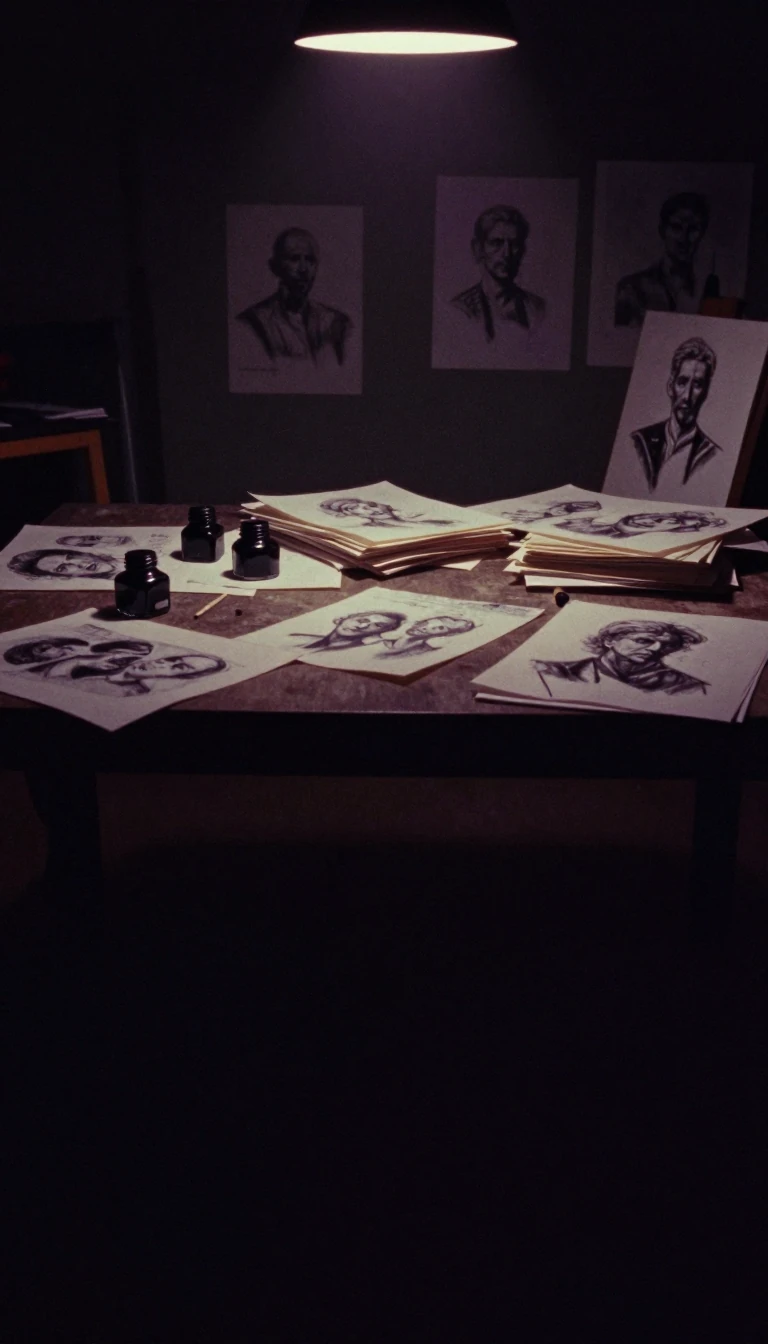
In short: Emerging from the ashes of 1977, post-punk rejected the raw simplicity of punk rock for something far more experimental. By blending avant-garde art, dub, and electronic textures, these artists sought to dismantle rock conventions. It was a cerebral, often bleak, and deeply ambitious movement that redefined the boundaries of pop.
Post-punk is notoriously difficult to define, often viewed as a period of alternative music rather than a singular sound. While it followed the 1977 punk explosion, many of its defining acts were already active as pre-punk entities. The term itself was popularized by journalist Jon Savage in his November 1977 'New Musick' editorial for Sounds magazine, where he identified a shift toward more experimental, factory-like production and harsh urban soundscapes. Figures like Simon Reynolds have argued that the movement was a 'space of possibility' defined by innovation and the rejection of rock clichés.
The movement was fueled by a unique cultural ecology, heavily influenced by art school traditions and critical theory. Artists drew from diverse sources, including German krautrock, funk, jazz, and the production techniques of dub and disco. Intellectual influences were equally central; writers like William S. Burroughs and J. G. Ballard, alongside brutalist architecture and situationist politics, shaped the movement's aesthetic. This 'popular modernism' saw the avant-garde and mass culture collide, as bands like Public Image Ltd. and Siouxsie and the Banshees sought to make music that was as intellectually demanding as it was sonically disruptive.
Social and economic factors played a pivotal role, particularly in the UK, where deindustrialization and austerity under Thatcherism created a bleak, futuristic outlook. Bands often operated with an anti-corporatist ethos, establishing independent labels like Factory and Rough Trade to maintain creative control. This DIY infrastructure provided a foundation for the indie music scene that followed. While the term's usage in journalism waned by the late 1980s, its legacy persisted, influencing everything from gothic rock and shoegaze to the 2000s dance-punk revival and the South London 'crank wave' scene of the 2010s.
Opens the Intellect+ feed with this card first. Swipe up for the next one.
Sources
- Summary by Intellect · source: Post-punk
To cite this card, link to https://intellectplus.co.uk/app/culture-post-punk.
How we source, check and correct cards: Editorial standards.
General information, not professional advice. Spotted an error? Flag the card or see corrections and complaints.
Intellect Plus is a visual educational discovery platform for exploring fascinating facts and ideas. Brain Food, Not Brain Rot. What is Intellect Plus?
Related
More in UK & Irish culture · More in Cultures · Latest · A–Z · All topics
