How humanlike robot features influence whether people want to use them
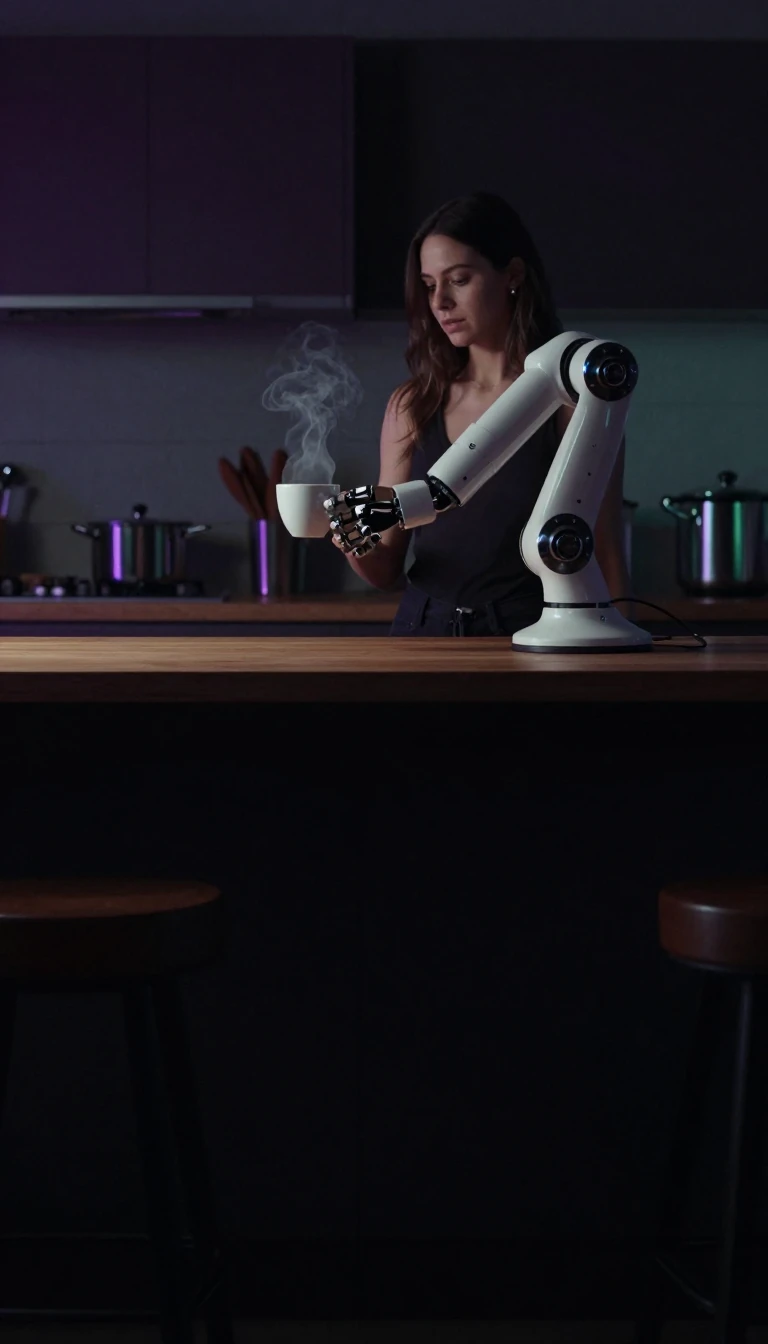
In short: A meta-analysis of 11,053 individuals across 108 independent samples found that the impact of anthropomorphism on a person's intention to use a service robot depends heavily on the specific context. While making robots appear more humanlike can drive usage, the effectiveness of these human-like traits varies based on the robot's gender and the type of service being provided.
By synthesizing data from numerous studies, researchers identified that customer traits, such as computer anxiety, and robot design features act as triggers for anthropomorphism. The study also found that robot intelligence and usefulness serve as key mediators in this relationship. However, the findings are limited to the contexts analyzed in the included studies, and the role of rapport as a mediator remains less supported.
Why it matters: Making a robot more humanlike doesn't always increase usage; the context of the service and the robot's design are critical.
Opens the Intellect+ feed with this card first. Swipe up for the next one.
Sources
To cite this card, link to https://intellectplus.co.uk/app/technology-research-how-humanlike-robot-features-influence-whether-people-want-t.
How we source, check and correct cards: Editorial standards.
General information, not professional advice. Spotted an error? Flag the card or see corrections and complaints.
Intellect Plus is a visual educational discovery platform for exploring fascinating facts and ideas. Brain Food, Not Brain Rot. What is Intellect Plus?
