The history and potential of J-aggregates in materials science
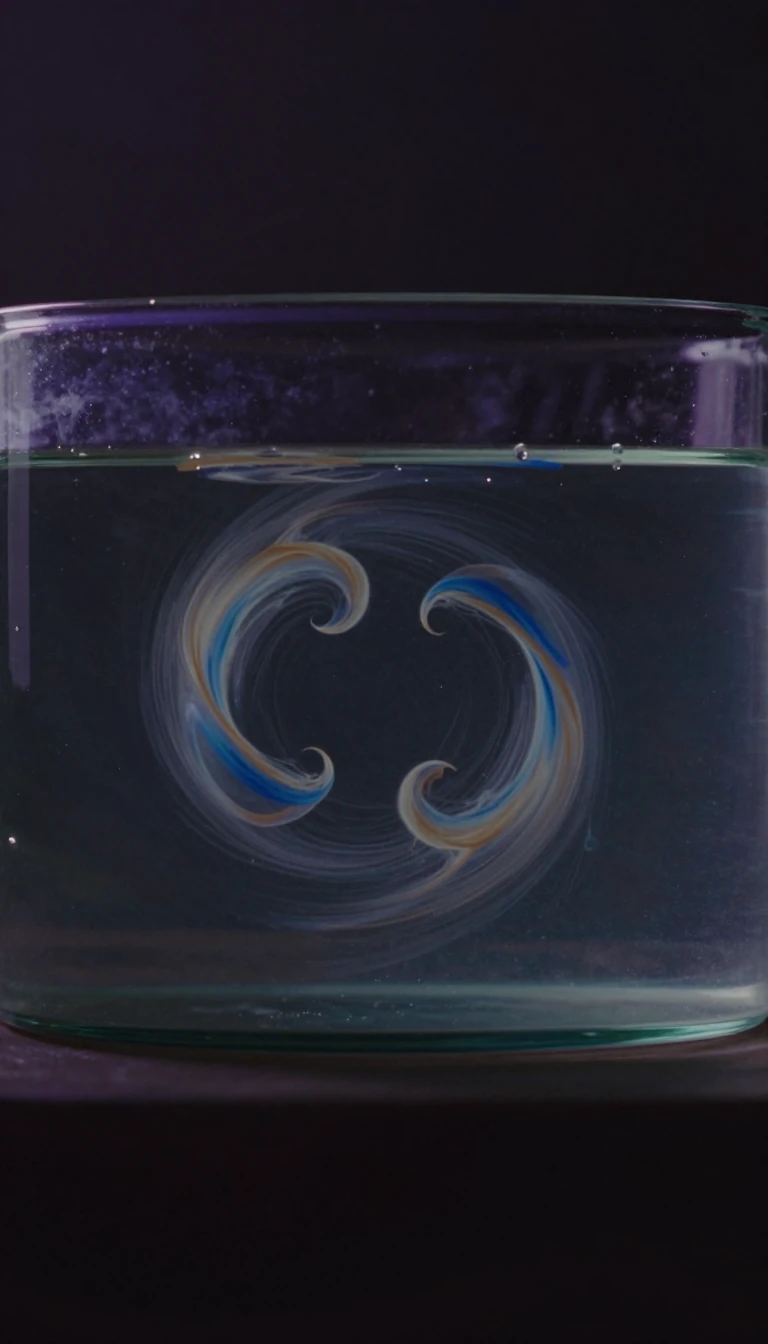
In short: A review of dye chemistry research highlights how the discovery of J-aggregates in the 1930s laid the groundwork for modern supramolecular chemistry. These molecular structures are notable for their unique optical properties, such as narrow, red-shifted absorption bands and the ability to migrate excitons across the material.
By reviewing various dyes like cyanines and porphyrins, the authors illustrate how supramolecular construction principles can engineer functional materials. While the review provides a broad overview of potential applications, it focuses on existing literature rather than presenting new experimental data.
Why it matters: J-aggregates are essential building blocks for designing advanced organic materials with specific light-interacting properties.
Opens the Intellect+ feed with this card first. Swipe up for the next one.
Sources
- Summary by Intellect · source: Research: Wurthner et al. (2011). J‐Aggregates: From Serendipitous Discovery to Supramolecular Engineering of Functional Dye Materials. Angewandte Chemie International Edition.
To cite this card, link to https://intellectplus.co.uk/app/technology-research-the-history-and-potential-of-j-aggregates-in-materials-scien.
How we source, check and correct cards: Editorial standards.
General information, not professional advice. Spotted an error? Flag the card or see corrections and complaints.
Intellect Plus is a visual educational discovery platform for exploring fascinating facts and ideas. Brain Food, Not Brain Rot. What is Intellect Plus?
Related
More in Science · Latest · A–Z · All topics
