How a simple Indian flatbread became the culinary backbone of Southeast Asian street food
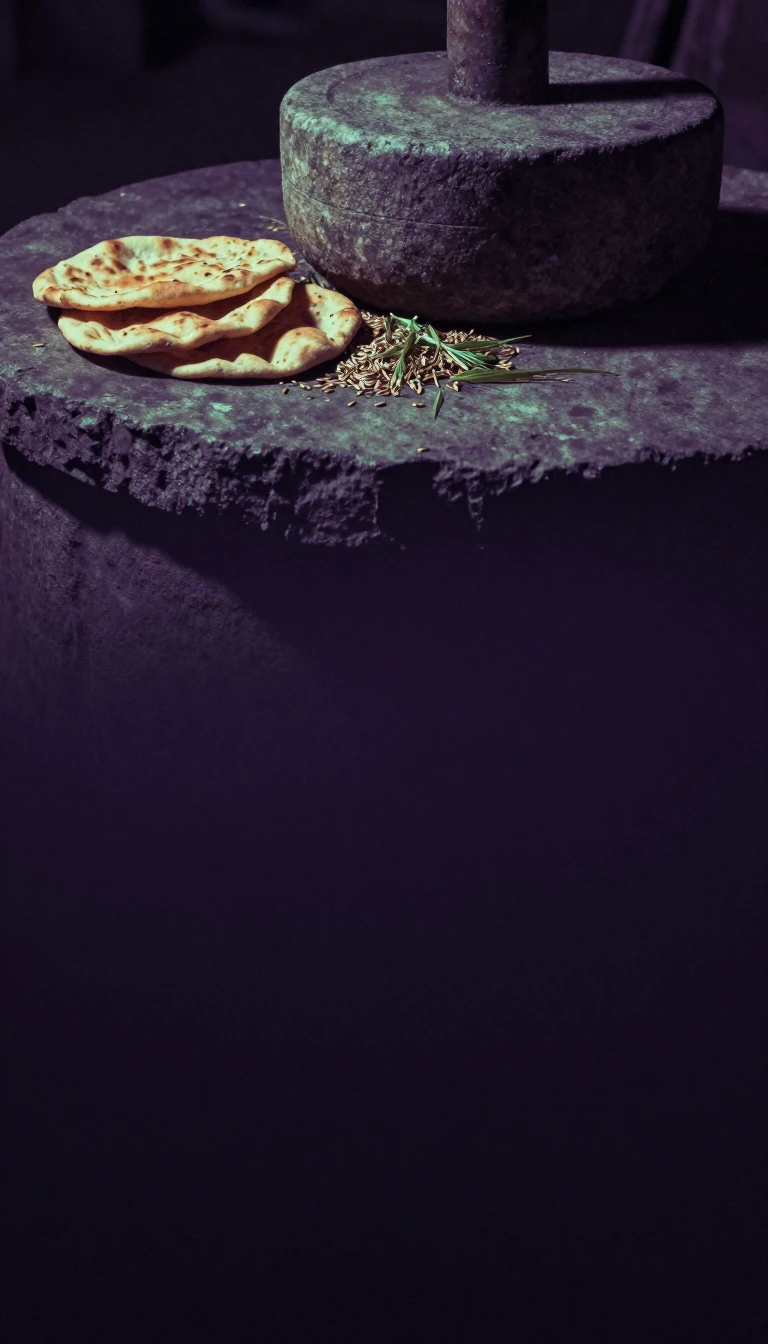
In short: Roti canai is more than just breakfast. This unleavened, layered flatbread, brought to Southeast Asia by Indian traders, has evolved into a regional staple. From the streets of Malaysia to the warungs of Indonesia, its transformation into dozens of sweet and savoury variations reveals a complex history of cultural migration.
The origins of roti canai are deeply tied to the movement of Indian populations into Southeast Asia. While the dish is a staple of modern Malaysian and Singaporean cuisine, its roots trace back to the Indian paratha. Historians believe the bread was introduced to the Aceh Sultanate in northern Sumatra as early as the 17th century. By the 19th century, it had spread across the Dutch East Indies and became a fixture in the street-side mamak stalls of British Malaya. The name itself reflects this cross-cultural journey: 'roti' is derived from the Sanskrit word for bread, while 'canai' is thought to stem from the Malay term for rolling dough thinly.
The technical brilliance of roti canai lies in its preparation, which relies on the physical manipulation of gluten. The dough, typically composed of flour, water, and fat like ghee, undergoes a rigorous process of kneading, flattening, and folding. This creates distinct layers. A chef then stretches the dough until it is paper-thin—often by tossing it—before gathering it into a rope-like mass. This rope is coiled into a spiral and flattened once more, ensuring that when it hits the hot griddle, the internal layers separate into a light, flaky texture.
Today, the dish is a canvas for regional innovation. In Malaysia, it has been elevated to UNESCO Intangible Cultural Heritage status. Variations are endless: the thick, egg-and-meat-filled murtabak, the spiral-shaped roti boom, and the tissue-thin roti tisu are just a few examples. In Indonesia, it is often called roti maryam or roti konde, the latter named for its resemblance to a traditional hairbun. Whether served with a simple dal, spicy fish curry, or topped with condensed milk and bananas, the bread remains a testament to how traditional techniques adapt to new environments, becoming a shared identity across borders.
Opens the Intellect+ feed with this card first. Swipe up for the next one.
Sources
- Summary by Intellect · source: Roti canai
To cite this card, link to https://intellectplus.co.uk/app/technology-roti-canai.
How we source, check and correct cards: Editorial standards.
General information, not professional advice. Spotted an error? Flag the card or see corrections and complaints.
Intellect Plus is a visual educational discovery platform for exploring fascinating facts and ideas. Brain Food, Not Brain Rot. What is Intellect Plus?
Related
More in Inventions · More in Technology · Latest · A–Z · All topics
