From ancient Sanskrit roots to modern street food, the global evolution of roti.
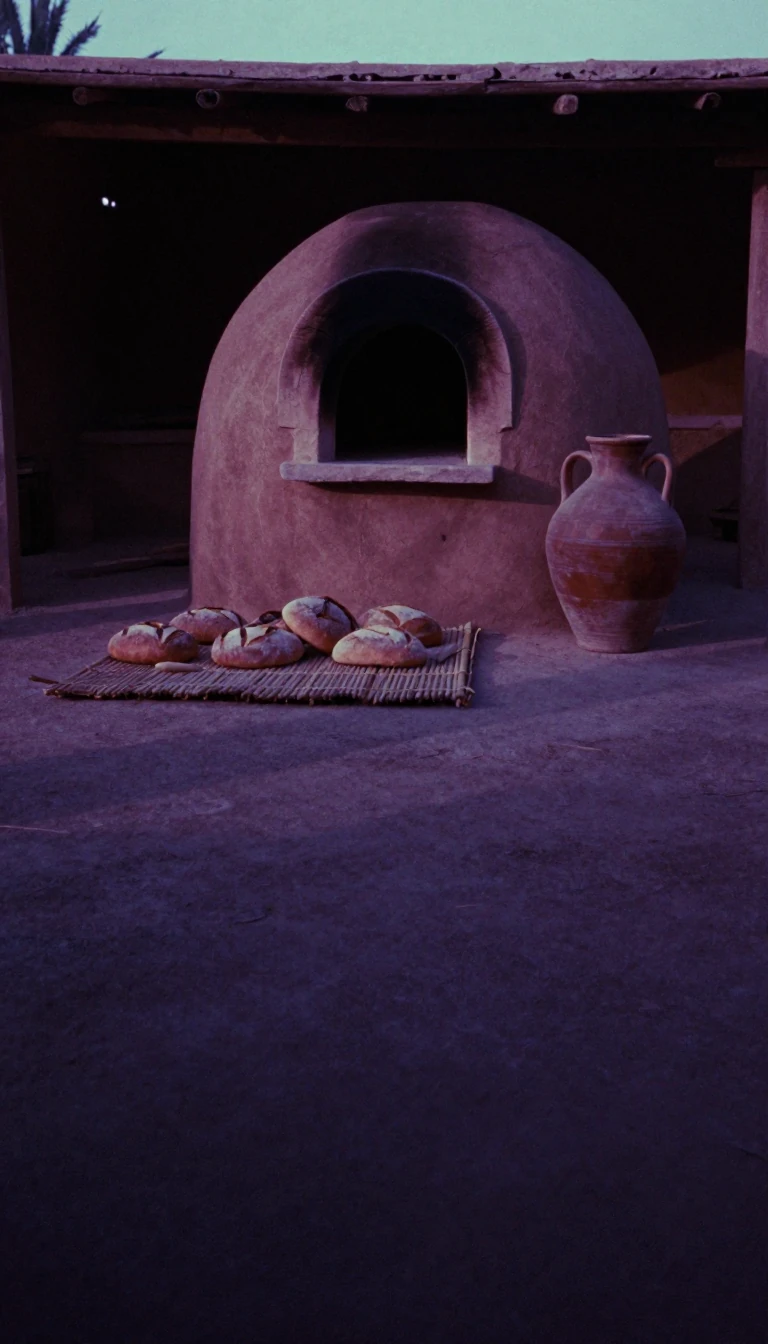
In short: Roti is far more than a simple flatbread. Originating from the Sanskrit word for bread, this unleavened staple has traveled from the Indian subcontinent to become a global phenomenon. Whether served as a traditional accompaniment or a convenient, modern wrap, its versatility has reshaped street food cultures worldwide.
At its core, traditional roti is a simple, unleavened flatbread crafted from stoneground whole-wheat flour, known as atta, and water. While the basic preparation involves mixing, resting, and rolling the dough before cooking it on a flat griddle called a tawa, the variations are vast. From the corn-based makki roti of Punjab to the coconut-infused pol roti of Sri Lanka, the bread adapts to local ingredients and regional tastes.
The migration of roti across the globe is a story of cultural exchange. In the 19th century, indentured laborers from the Indian subcontinent introduced the bread to the Caribbean, South Africa, and Mauritius. In the Caribbean, this migration led to a significant culinary innovation: the roti wrap. Created in the mid-1940s by Sackina Karamath in San Fernando, Trinidad and Tobago, the wrap transformed the bread into a portable, fast-food staple. This commercialization was so successful that the term 'roti' in the West Indies often refers to the wrap itself, with the bread now frequently called a 'roti skin' or 'shell'.
Today, the influence of roti extends far beyond its origins. In Sri Lanka, kottu roti—a dish of chopped paratha or godamba roti stir-fried with vegetables, meat, and spices—is a celebrated fast-food dish, recognizable by the rhythmic sound of iron blades pounding the ingredients. Meanwhile, in countries like Malaysia and Indonesia, the term has expanded to encompass various breads, including Western-style options. As Indo-Caribbean populations settled in cities like Toronto and New York, they brought these wrapped variations with them, cementing roti's status as a global culinary icon that continues to evolve in kitchens and on street corners everywhere.
Opens the Intellect+ feed with this card first. Swipe up for the next one.
Sources
- Summary by Intellect · source: Roti
To cite this card, link to https://intellectplus.co.uk/app/nature-roti.
How we source, check and correct cards: Editorial standards.
General information, not professional advice. Spotted an error? Flag the card or see corrections and complaints.
Intellect Plus is a visual educational discovery platform for exploring fascinating facts and ideas. Brain Food, Not Brain Rot. What is Intellect Plus?
Related
More in Organisms · More in Nature · Latest · A–Z · All topics
