Why the Schottky diode is the secret to high-speed modern electronics
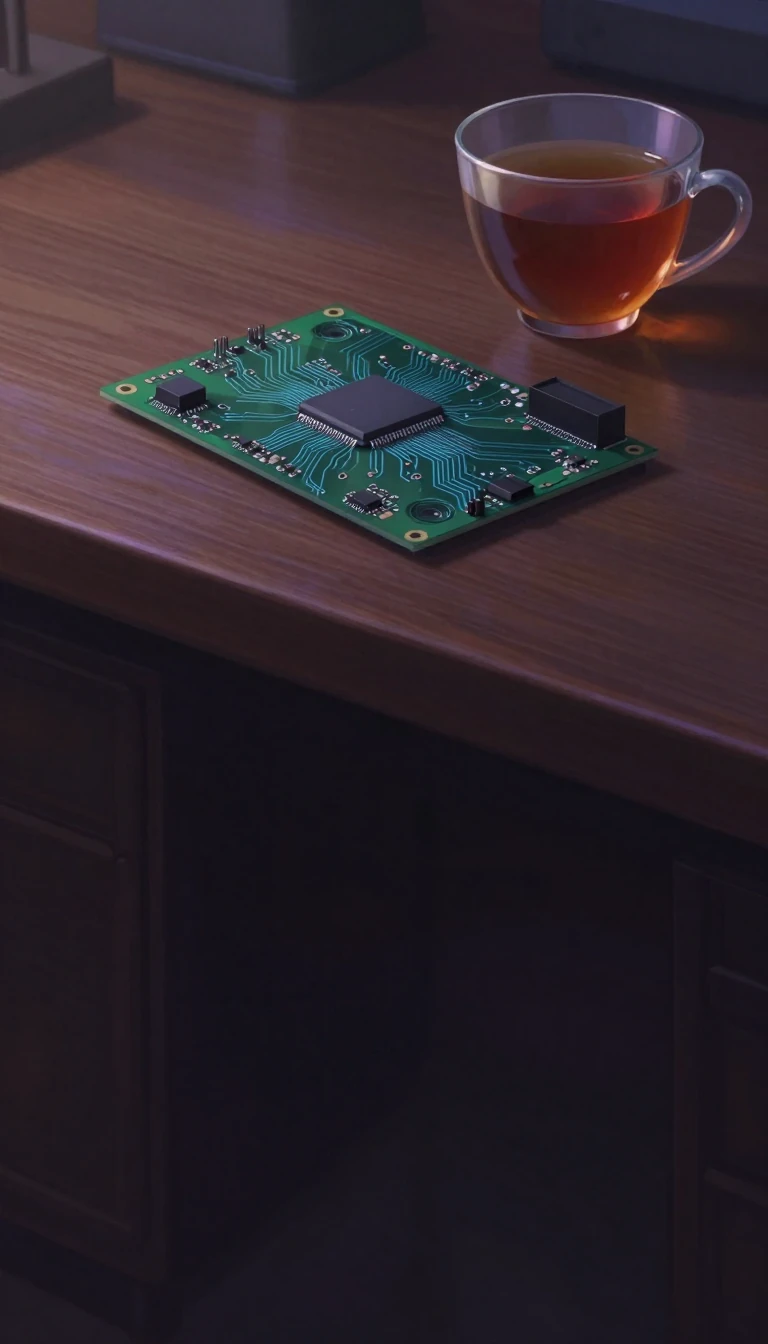
In short: Unlike standard diodes that rely on slow minority carriers, the Schottky diode uses a metal-semiconductor junction to achieve near-instantaneous switching. This unique design minimizes energy loss and enables high-frequency operation, making it the backbone of everything from power converters to the high-speed logic circuits in your devices.
The Schottky diode, named after German physicist Walter Schottky, functions differently from conventional p–n junction diodes. Instead of joining two semiconductor materials, it creates a barrier between a metal—such as molybdenum, platinum, or tungsten—and a semiconductor, typically n-type silicon. Because it is a majority-carrier device, electrons are injected directly into the metal contact without the slow, random recombination of charge carriers that limits standard diodes. This allows for switching times as fast as 100 picoseconds for small-signal variants.
This speed and efficiency come with specific trade-offs. Schottky diodes have a lower forward voltage drop, typically 150–450 mV, compared to the 600–700 mV of silicon p–n diodes. While this reduces heat and improves efficiency in power supplies and photovoltaic systems, it also results in higher reverse leakage current. Furthermore, they are generally less rugged; the junction is in direct contact with thermally sensitive metallization, making them prone to failure during reverse breakdown. Most silicon-based Schottky designs are limited to reverse voltages of 50 V or less, with 200 V considered high.
To overcome these limitations, engineers have turned to materials like silicon carbide. Silicon carbide Schottky diodes can handle reverse voltages up to 1700 V and operate at junction temperatures exceeding 500 K, or 200 °C. These devices are essential in specialized fields like aerospace, where passive radiative cooling is required. In standard computing, Schottky junctions are famously used as Baker clamps in the 74S and 74LS logic series, preventing transistor saturation to drastically reduce turn-off delays. Whether in high-frequency RF mixers operating at 50 GHz or simple power-ORing circuits, the Schottky diode remains a vital, if often invisible, component of modern electrical engineering.
Opens the Intellect+ feed with this card first. Swipe up for the next one.
Sources
- Summary by Intellect · source: Schottky diode
To cite this card, link to https://intellectplus.co.uk/app/technology-schottky-diode.
How we source, check and correct cards: Editorial standards.
General information, not professional advice. Spotted an error? Flag the card or see corrections and complaints.
Intellect Plus is a visual educational discovery platform for exploring fascinating facts and ideas. Brain Food, Not Brain Rot. What is Intellect Plus?
Related
More in Electronics · More in Technology · Latest · A–Z · All topics
