Why Leonardo da Vinci painted without lines to capture the essence of human vision
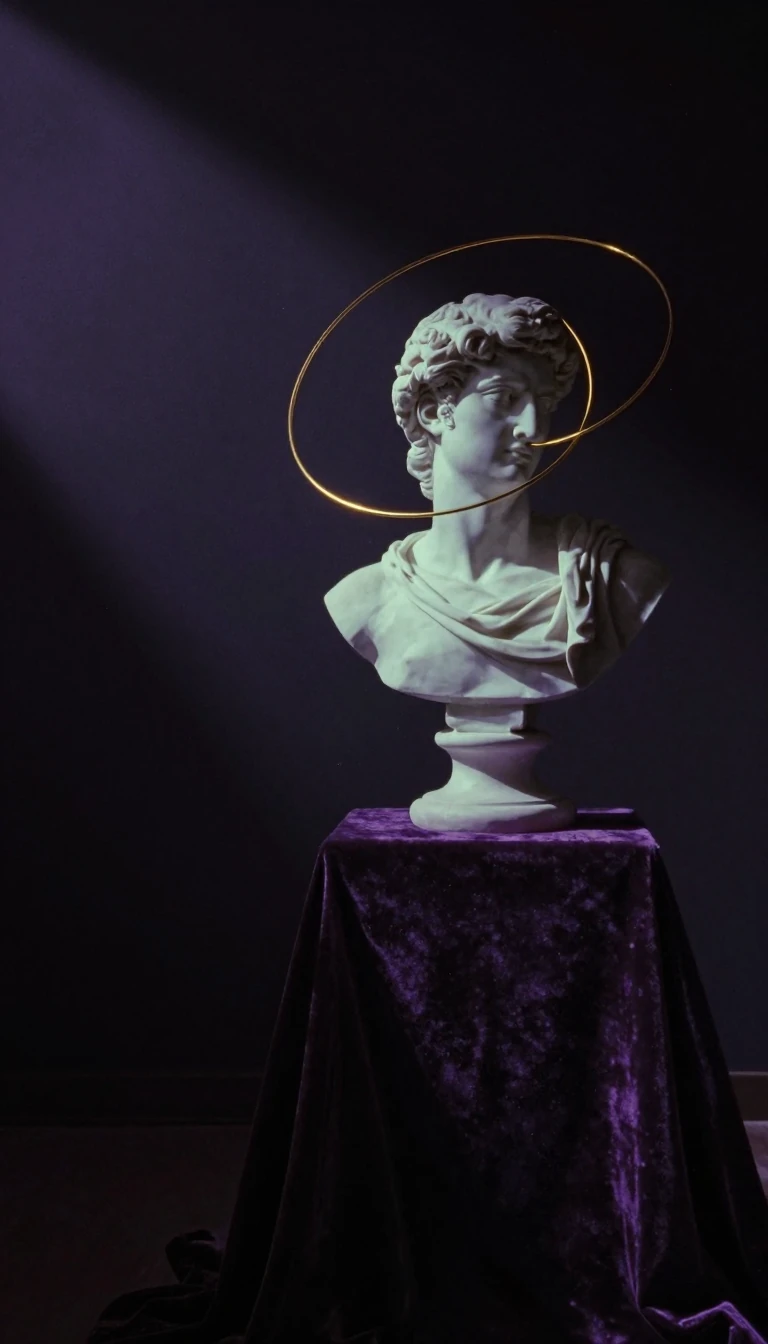
In short: Leonardo da Vinci revolutionized Renaissance art by abandoning rigid outlines for a technique he called sfumato, meaning smoked off. By blending colors into soft, imperceptible transitions, he mimicked the way human eyes perceive depth and focus, creating lifelike figures that seem to emerge from a hazy, atmospheric dreamscape.
Sfumato, a term derived from the Italian word for smoke, represents a departure from the sharp, linear boundaries that defined much of early painting. Leonardo da Vinci, the technique's most famous practitioner, developed this method through his rigorous studies in optics and his experiments with the camera obscura. By carefully layering subtle gradations of light and dark, he eliminated the harsh edges that typically separate objects from their surroundings. This approach allowed him to achieve a more believable, illusionistic rendering of the human face, most notably seen in the Mona Lisa and the Virgin of the Rocks.
The technique is fundamentally about replicating the out-of-focus plane or the area beyond the immediate point of human visual concentration. As art historian Marcia B. Hall has theorized, sfumato stands as one of the four canonical modes of color application in the Italian High Renaissance, alongside cangiante, chiaroscuro, and unione. While Leonardo was the primary innovator, the style was adopted by his followers, known as the Leonardeschi, including Bernardino Luini and Funisi. Other masters of the period, such as Raphael in his Madonna of the Meadow and Giorgione in The Three Philosophers, also utilized these soft transitions to enhance the atmospheric quality of their work.
The enduring power of sfumato lies in its ability to create an elusive, lifelike presence. By removing lines and borders, artists could suggest movement and depth that rigid outlines often stifled. Leonardo himself famously described the process as blending colors in the manner of smoke, emphasizing that the goal was to avoid any visible demarcation. This shift in perspective moved painting away from flat, symbolic representation toward a more scientific and observational approach, forever changing how we perceive the relationship between light, shadow, and the human form in art history.
Opens the Intellect+ feed with this card first. Swipe up for the next one.
Sources
- Summary by Intellect · source: Sfumato
To cite this card, link to https://intellectplus.co.uk/app/technology-sfumato.
How we source, check and correct cards: Editorial standards.
General information, not professional advice. Spotted an error? Flag the card or see corrections and complaints.
Intellect Plus is a visual educational discovery platform for exploring fascinating facts and ideas. Brain Food, Not Brain Rot. What is Intellect Plus?
Related
More in Inventions · More in Technology · Latest · A–Z · All topics
