Before it was Russia's frozen frontier, Siberia was a wandering, independent continental landmass.
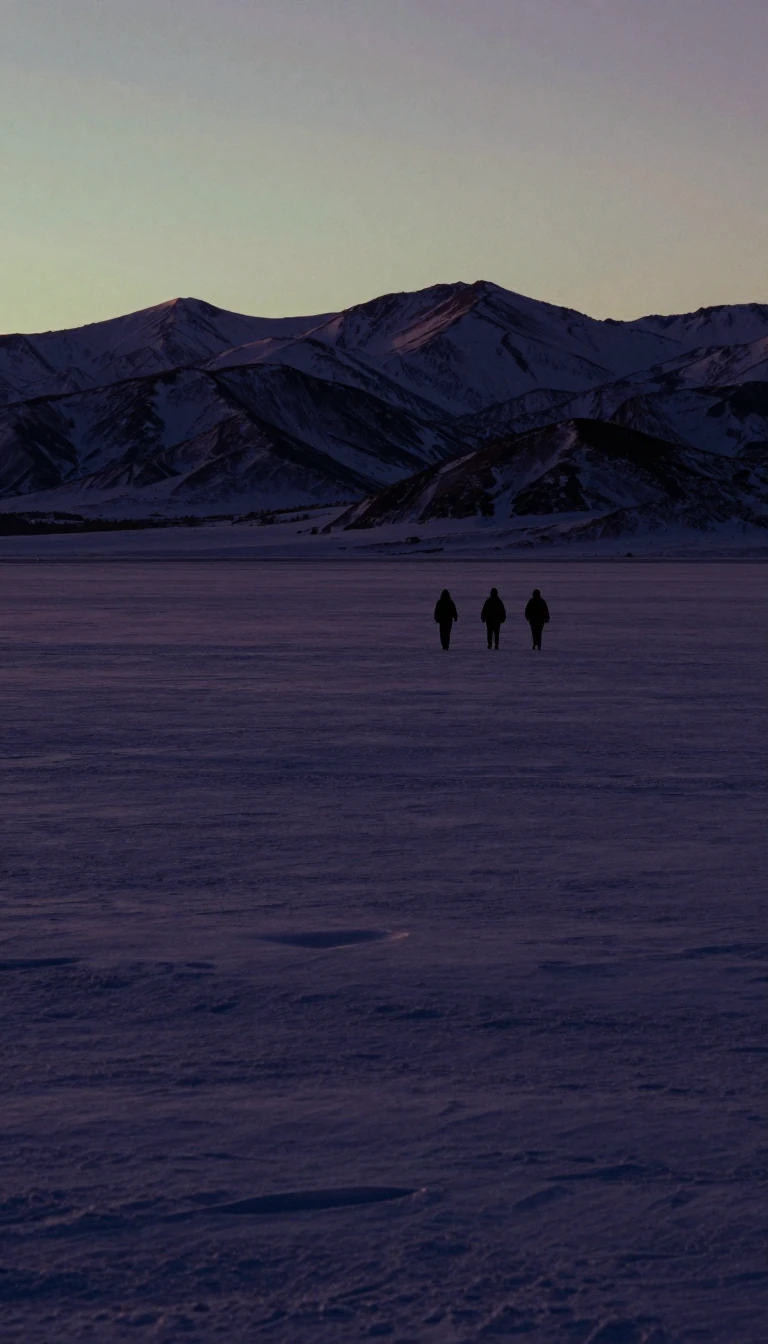
In short: Long before the modern map took shape, Siberia was a nomadic continent. It drifted through ancient supercontinents, collided with tectonic neighbors, and survived the rise and fall of global landmasses. Today, this vast region is a geological puzzle, holding secrets of Earth's deep history beneath its icy, resource-rich surface.
The geological entity known as the Siberian Craton, or Angaraland, has a history spanning billions of years. Roughly 2.5 billion years ago, during the Siderian Period, it was linked to the Canadian Shield as part of the continent Arctica. By 1.1 billion years ago, it had joined the supercontinent Rodinia. Following Rodinia's breakup around 750 million years ago, Siberia became a component of Protolaurasia, eventually merging into the southern supercontinent Pannotia during the Ediacaran Period. It was not until approximately 550 million years ago that Siberia emerged as a distinct, independent continent.
For much of the early Paleozoic, Siberia remained an autonomous landmass. Its isolation ended during the Carboniferous Period when it collided with Kazakhstania. This was followed by a monumental impact with Euramerica during the Late Carboniferous-Permian, which helped forge the supercontinent Pangaea. While Pangaea eventually fractured during the Jurassic, Siberia remained anchored to the Laurasian landmass. As the Cretaceous period progressed, Laurasia fragmented, leaving Siberia as the foundation of modern northeastern Eurasia.
Geologically, the region is still in motion. Today, it connects to the North American plate near the Chersky Range. Looking toward the distant future, projections suggest that in about 250 million years, Siberia may migrate into subtropical latitudes, potentially becoming a central piece of a new supercontinent called Pangaea Proxima. This long-term tectonic journey underscores the fluid nature of our planet's geography, transforming what we now recognize as a frozen, landlocked expanse into a shifting piece of a global jigsaw puzzle.
The name Angaraland, coined by Eduard Suess in the 1880s, reflects early, flawed attempts to map these ancient continents. Suess mistakenly proposed that the Paleozoic Northern Hemisphere consisted of only two massive continents: Atlantis and Angara-land. While his specific continental models were incorrect, the study of the Siberian Craton continues to provide vital insights into the tectonic mechanisms that have shaped the Earth's crust over eons.
Opens the Intellect+ feed with this card first. Swipe up for the next one.
Sources
- Summary by Intellect · source: Siberia (continent)
To cite this card, link to https://intellectplus.co.uk/app/technology-siberia-continent.
How we source, check and correct cards: Editorial standards.
General information, not professional advice. Spotted an error? Flag the card or see corrections and complaints.
Intellect Plus is a visual educational discovery platform for exploring fascinating facts and ideas. Brain Food, Not Brain Rot. What is Intellect Plus?
Related
More in Inventions · More in Technology · Latest · A–Z · All topics
