North Asia is a vast, frozen expanse that holds nearly 30% of Asia's land.
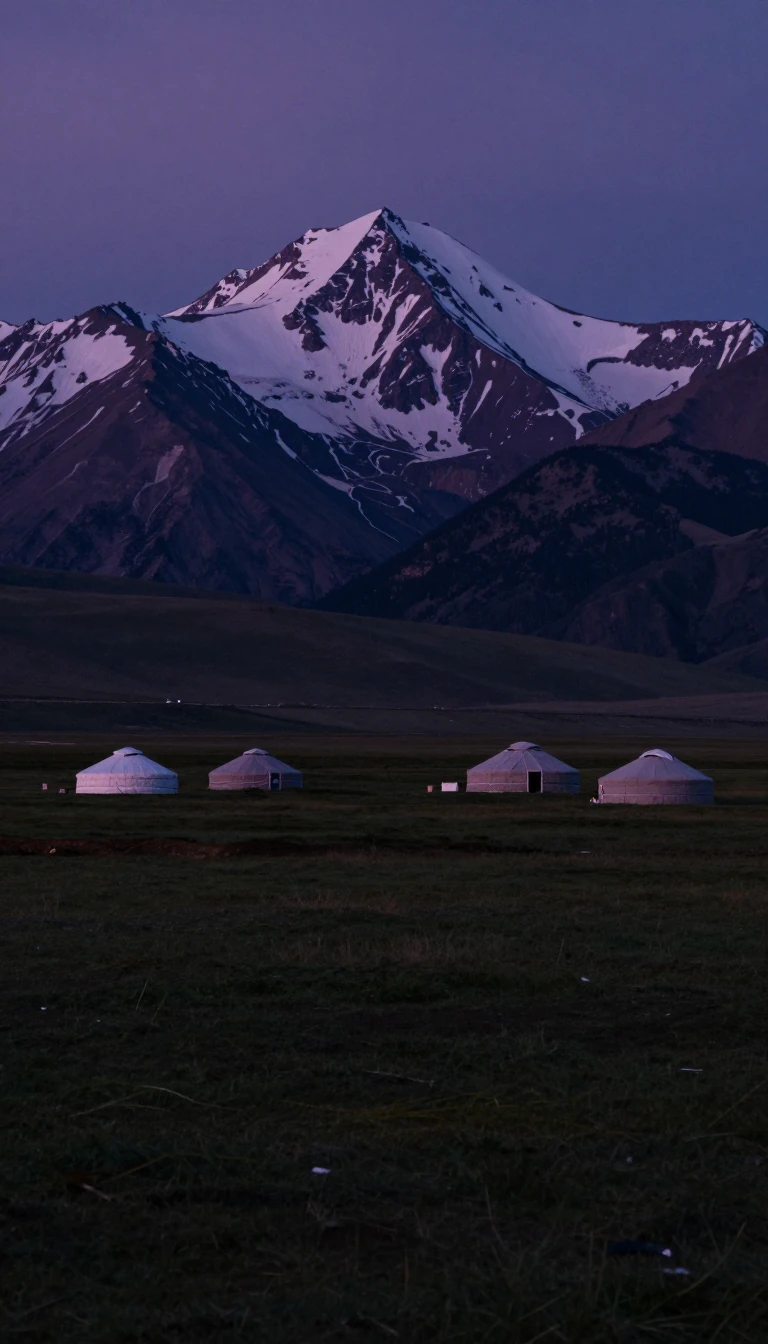
In short: Covering over 13 million square kilometres, North Asia is the largest subregion of the continent, yet it remains its least populated. Dominated by Russian federal districts and shaped by ancient tectonic collisions, this rugged territory transitioned from a home for diverse indigenous cultures to a strategic industrial powerhouse for the Soviet Union.
North Asia, defined by the Ural, Siberian, and Far Eastern federal districts of Russia, occupies approximately 29.4% of Asia's total land area. Its topography is defined by the Eurasian Plate and massive geological features like the West Siberian Plain and the Central Siberian Plateau. The region's central core, the Siberian Traps, marks the site of a colossal volcanic eruption 250 million years ago that coincided with the Permian–Triassic extinction event. Today, the landscape is characterized by extensive permafrost, reaching depths of up to 600 metres across nearly 10 million square kilometres.
The human history of the region dates back to the Late Pleistocene, with modern humans arriving roughly 45,000 years ago. Historically, the area hosted a diverse array of linguistic groups, including Turkic, Mongolic, and Tungusic peoples. However, the Russian conquest of Siberia, beginning in the 16th century, fundamentally altered the demographic landscape. Through centuries of migration, European cultural influence became predominant. By the early 20th century, millions of settlers had moved from European Russia, and today, over 85% of the population is of European descent, while indigenous groups comprise only about 5% of the total.
During the 20th century, the region became vital to Soviet industrial and military strategy. Following the consolidation of power in 1923, the USSR developed major industrial hubs in cities like Norilsk, Novosibirsk, and Irkutsk, often utilizing labor from the Gulag system. The Trans-Siberian Railway served as the critical artery for transporting coal, timber, and metals. Following the 1991 collapse of the Soviet Union, the region faced significant economic decline, though it has since regained strategic importance as a hub for oil and natural gas exports, particularly through infrastructure projects like the Power of Siberia pipeline aimed at Asian markets.
Opens the Intellect+ feed with this card first. Swipe up for the next one.
Sources
- Summary by Intellect · source: North Asia
- Also: Wikidata — North Asia · CC0
To cite this card, link to https://intellectplus.co.uk/app/places-north-asia.
How we source, check and correct cards: Editorial standards.
General information, not professional advice. Spotted an error? Flag the card or see corrections and complaints.
Intellect Plus is a visual educational discovery platform for exploring fascinating facts and ideas. Brain Food, Not Brain Rot. What is Intellect Plus?
Related
More in Basics · More in Countries & Cities · Latest · A–Z · All topics
